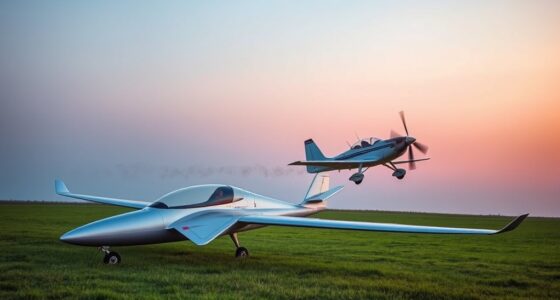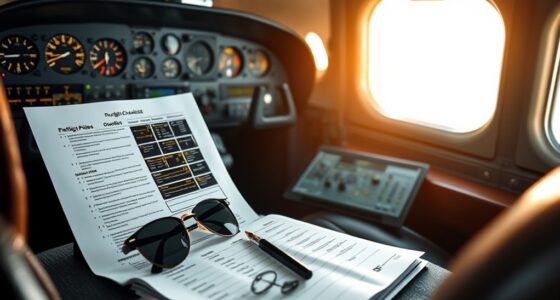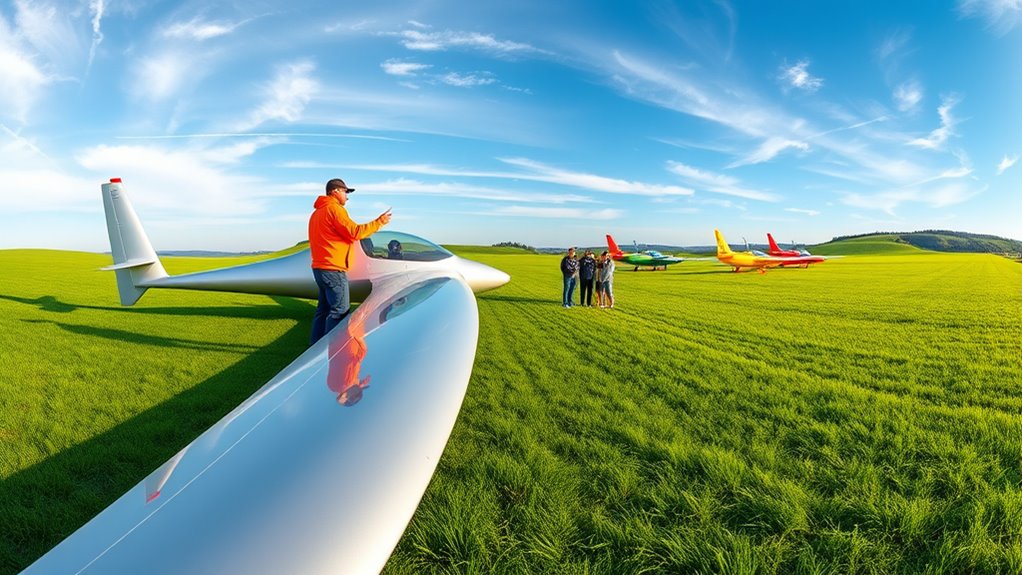

To get started in gliding, find a respected club known for safety, good facilities, and experienced instructors. Visit the club, talk to members, and guarantee it prioritizes safety and maintenance. Begin with ground lessons on aerodynamics and weather, then move on to flying with an instructor. Work towards certification by completing training hours and passing exams. If you keep exploring, you’ll discover how to progress safely and enjoy this exciting sport.
Open a free Amazon Business account
Business pricing, bulk buying and tax-exempt orders.
As an affiliate, we earn on qualifying purchases.
Key Takeaways
- Research clubs with strong safety records, experienced instructors, and positive reputation in your area.
- Visit potential clubs to observe flights, meet members, and assess facilities and safety protocols.
- Prioritize clubs that offer comprehensive ground instruction and hands-on flying experience for beginners.
- Ensure the club emphasizes safety standards, aircraft maintenance, and emergency procedures in their training.
- Obtain necessary licensing by completing required training hours, passing exams, and demonstrating safe flying skills.
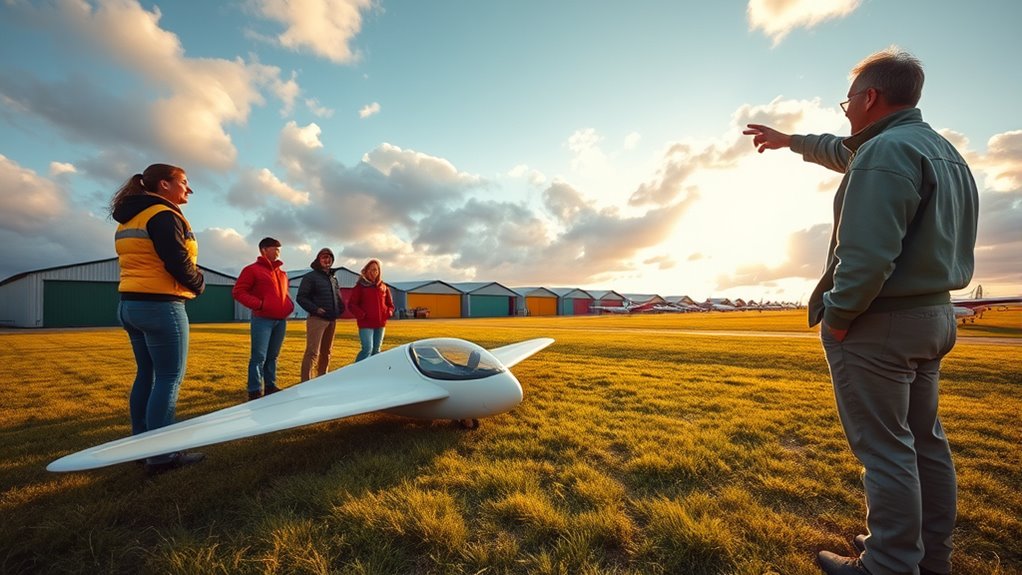
Have you ever wondered what it feels like to soar silently through the sky without an engine? Gliding offers that unique sensation of freedom and connection with the air around you. But before you take that leap, it’s imperative to understand how to get started safely and confidently. Your first step is choosing a reputable gliding club and training programme. Look for a club with a solid safety record, experienced instructors, and a welcoming community. Gliding safety should always be a top priority, so don’t hesitate to ask about their safety protocols, accident history, and maintenance routines for their aircraft. A good club will emphasize safety at every stage, ensuring that you learn how to handle the glider properly, recognize weather conditions, and respond to emergencies. When selecting a club, consider location, facilities, and the quality of the training equipment. Visiting the club beforehand, observing flights, and talking to current members can give you valuable insights into their standards. Additionally, understanding the safety standards and regulations that govern gliding can help you make an informed decision about your training environment.
Once you’ve found a suitable club, you’ll start your training programme. It typically begins with ground instruction, where you’ll learn the fundamentals of aerodynamics, weather, and safety procedures. This knowledge forms the backbone of gliding safety, helping you understand how to prevent accidents and handle unexpected situations. After mastering the basics on the ground, you’ll move on to flying with an instructor. During these initial flights, you’ll get hands-on experience controlling the glider while your instructor guides you through takeoff, flight, and landing procedures. These lessons are indispensable for building confidence and competence in the air. As you progress, you’ll learn to interpret weather conditions, handle different flight scenarios, and make sound decisions — all essential for safe gliding.
To fly solo, you’ll need to obtain pilot licensing, which involves meeting specific training hours and passing both written and practical exams. The licensing process guarantees you’re qualified to fly independently, adhering to strict safety standards and legal requirements. Earning your pilot license is a significant milestone that certifies your ability to pilot a glider safely and responsibly. It also opens the door to more advanced flying adventures and opportunities within the sport. Remember, the journey to becoming a licensed glider pilot is as much about safety and responsibility as it is about the thrill of flight. With proper training, adherence to safety protocols, and a passion for the skies, you’ll soon find yourself gliding confidently and safely, experiencing the pure joy of silent flight.

16 PCS Pink Pilates Ring and Ball Set for Women with 15" Magic Circle, Home Pilates Equipment Kit with Adjustable 1LB Ankle Wrist Weight, Resistance Band, Gliding Discs, Pilates Essentials Accessories
- Complete Home Pilates Kit: Includes ring, ball, resistance bands, weights, discs
- Adjustable Ankle and Wrist Weights: 1lb weights for added workout intensity
- Studio-Quality Pilates Ring: High-strength fiberglass with ergonomic handles
As an affiliate, we earn on qualifying purchases.
As an affiliate, we earn on qualifying purchases.
Frequently Asked Questions
What Are the Costs Involved in Starting Gliding?
The costs involved in starting gliding vary, but you should budget for initial expenses like membership fees, training costs, and equipment, with cost estimates typically between $3,000 and $10,000. You might consider financing options such as loans or payment plans offered by clubs. As you begin, keep in mind ongoing expenses for maintenance and renewals, ensuring you’re financially prepared for a safe and enjoyable glide into the sport.
Do I Need Prior Flying Experience to Join a Club?
Do you need prior flying experience to join a club? Not necessarily. Most clubs offer beginner training programs designed for newcomers, and you can start with no previous flying experience. You’ll work toward pilot licensing through structured lessons, gaining skills step-by-step. So, why wait? Join a club, participate in beginner training, and soon you’ll be soaring through the skies, with no prior flying experience required.
How Safe Is Gliding for Beginners?
Gliding is generally very safe for beginners, thanks to strict safety protocols and experienced instructors. Gliding safety measures focus on beginner accident prevention, such as thorough training and proper pre-flight checks. As a new pilot, you’ll learn how to handle the glider safely and respond to emergencies. With the right club and training program, you can enjoy gliding confidently, knowing that safety is a top priority at every step.
Are There Age Restrictions for New Gliders?
Did you know that many gliding clubs welcome beginners of all ages? Age restrictions for new gliders vary by club, but generally, you can start as young as 14 and there’s no upper age limit. Beginner eligibility depends on good health and a passion for flying, so if you’re enthusiastic, you’re likely eligible regardless of your age. Just check with your local club for specific age policies.
What Equipment Do I Need to Bring?
When you go gliding, you should bring your essential gliding gear, like comfortable clothing and sturdy shoes, to stay safe and comfortable. Make certain you wear safety equipment such as a helmet and gloves, which protect you during flights. Some clubs provide gear, but it’s good to carry your own. Always check with your club beforehand to see what specific equipment they recommend or require for your safety and enjoyment.
Conclusion
Beginning your gliding journey is like setting sail on an open sky ocean, where each flight reveals new horizons. Choosing the right club and training program is your compass, guiding you through calm skies and gusty adventures alike. With passion fueling your wings, you’ll soon discover that the sky isn’t the limit—it’s just the beginning. So, take that first step, and let your soaring story unfold among the clouds.
Pool season Picks
robotic pool cleaners
As an affiliate, we earn on qualifying purchases.