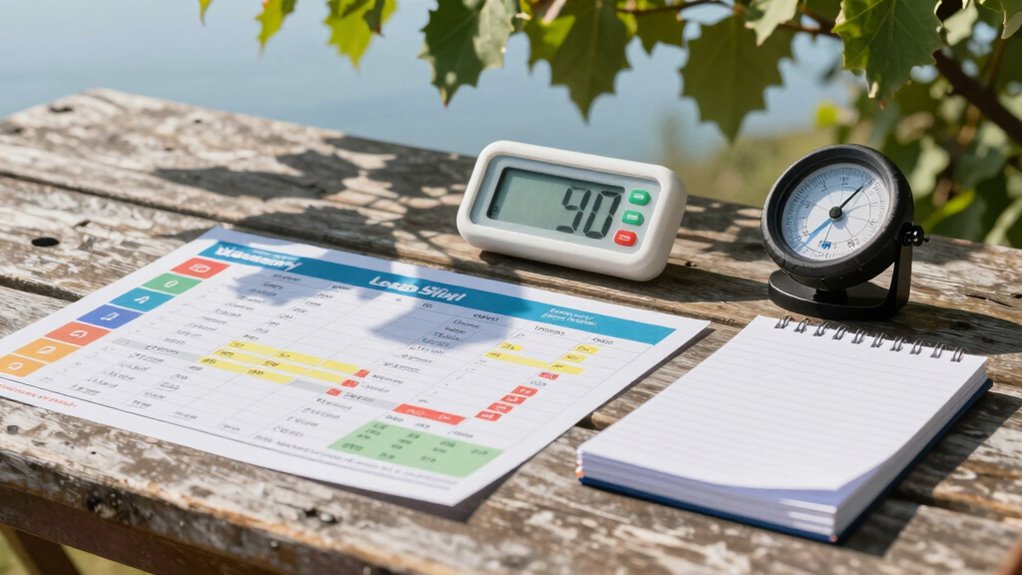

To build a better personal weather checklist, use reliable apps, websites, and alerts for real-time updates. Tailor your list to regional risks like hurricanes or snowstorms, and include emergency supplies, clothing, and important documents. Incorporate climate prediction tools to plan for seasonal changes and stay updated on weather trends and tech advances. Regularly review and adjust your checklist to stay prepared for any weather scenario. Keep exploring to discover even more ways to strengthen your preparedness.
Open a free Amazon Business account
Business pricing, bulk buying and tax-exempt orders.
As an affiliate, we earn on qualifying purchases.
Key Takeaways
- Incorporate real-time weather apps and alerts to stay updated on current conditions and severe weather warnings.
- Customize your checklist based on regional climate risks and specific environmental needs.
- Use climate prediction data to plan for seasonal changes and long-term weather patterns.
- Regularly review and update your checklist with new technology advancements and forecast improvements.
- Prepare essential supplies and gear tailored to your environment and forecasted weather scenarios.
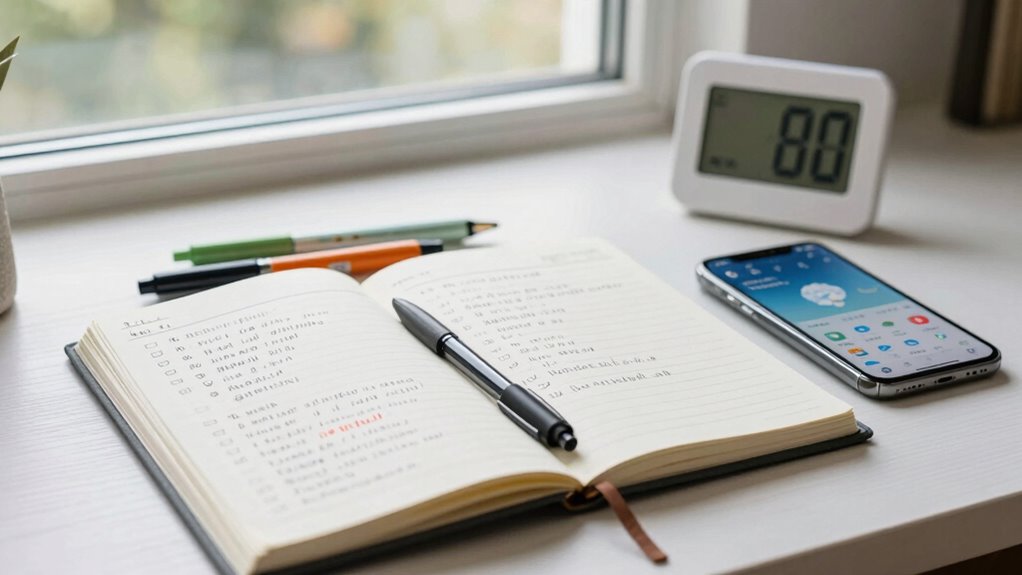
Ever wonder if your weather checklist is truly prepared for any situation? It’s a common concern, especially as weather patterns become more unpredictable. To build a better personal weather checklist, you need to understand the latest tools and information available to you. Climate prediction has advanced considerably thanks to weather technology, which now offers more accurate forecasts than ever before. By integrating these innovations into your planning, you can stay ahead of storms, extreme temperatures, and other weather events.
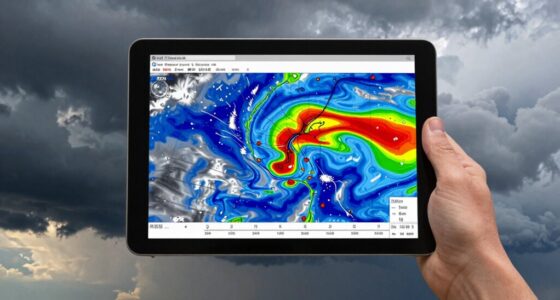
Start by familiarizing yourself with reliable sources of weather information. Modern weather technology includes apps, websites, and alerts that provide real-time updates. Many of these services use sophisticated climate prediction models, which analyze historical data, atmospheric conditions, and global climate trends to forecast weather more precisely. These models are continually refined as new climate data becomes available, enhancing forecast accuracy. These tools help you anticipate not just the day’s weather but also longer-term patterns that could affect your plans. Incorporate alerts for severe weather, like thunderstorms or snowstorms, so you’re immediately notified of potential risks.
Utilize apps and alerts with advanced climate models for real-time updates and long-term weather insights.
Next, tailor your checklist to your specific environment and activities. If you live in a region prone to hurricanes or heavy snowfall, your checklist should include items like emergency supplies, extra clothing, and important documents. If you’re an outdoor enthusiast, you’ll want to consider gear for rain, wind, or extreme heat. Think about the types of weather events most likely to impact your area, and prepare accordingly. Use weather technology to monitor these conditions consistently, so you can adjust your plans as needed. Being aware of climate prediction updates can give you a strategic advantage in planning ahead. Additionally, understanding the advancements in weather forecasting technology can help you better interpret the information you receive. Keeping up with climate data allows you to anticipate seasonal changes and potential climate-related risks more effectively.
Another crucial step is to stay informed about climate prediction updates. While weather forecasts focus on short-term conditions, climate prediction offers insight into longer-term trends. This knowledge can help you plan seasonal activities, prepare for potential droughts, or anticipate colder winters. Incorporating climate data into your checklist ensures you’re not just reacting to weather but proactively planning for it. Staying updated on these trends can also guide you in adopting more sustainable living practices, which are increasingly important in our changing climate.
Lastly, regularly review and update your checklist based on new weather patterns and technological developments. Weather technology evolves rapidly, offering better prediction models and more detailed forecasts. By staying current, you guarantee your checklist remains relevant and effective. It’s also wise to share your checklist with family or friends, so everyone is prepared. With the right tools and a strategic approach, you’ll build a personal weather checklist that’s thorough, adaptable, and ready for whatever the sky throws your way.
As an affiliate, we earn on qualifying purchases.
Frequently Asked Questions
How Often Should I Review and Update My Weather Checklist?
You should review and update your weather checklist every six months, especially before storm seasons. Regular updates guarantee your emergency communication plans are current and your shelter preparedness remains effective. Changes in weather patterns or personal circumstances can impact your needs, so staying proactive helps you respond better during emergencies. Keeping your checklist current ensures you’re always prepared with the right supplies, contacts, and safety measures for any weather event.
What Are the Essential Items to Include for Severe Weather?
For severe weather, you should include emergency supplies like non-perishable food, water, and a flashlight. Don’t forget to pack communication devices such as a fully charged cell phone, portable charger, and a battery-powered radio to stay informed. Make sure your emergency supplies are accessible, organized, and regularly checked. Preparing these essentials helps you stay safe and connected during unexpected weather events.
How Can I Customize My Checklist for Different Seasons?
Imagine your closet changing with the seasons—your weather checklist should do the same. For summer, include lightweight clothing and sun protection, while winter calls for warm layers and emergency contacts in case of power outages. Spring and fall need versatile gear. Customize your list by updating seasonal clothing and emergency contacts regularly, ensuring you’re prepared for any weather shift, making your safety proactive and seamless.
What Technology Tools Can Help Monitor Weather Conditions?
You can use weather apps on your smartphone or tablet to monitor real-time conditions and get updates on severe weather. Many apps offer detailed forecasts, radar maps, and customizable alerts. Enable emergency alerts on your device to receive immediate notifications about severe weather warnings in your area. These tools help you stay informed, plan ahead, and respond quickly to changing weather, ensuring your safety and preparedness at all times.
How Do I Prioritize Items for Limited Space or Resources?
You should prioritize items based on space constraints and resource management. Focus on essential, multi-purpose tools that serve multiple functions, saving space and resources. Consider the weather’s severity and your specific needs, like emergency gear or weather updates. Cut back on non-urgent items, and choose compact, lightweight options. Regularly review and adjust your checklist to guarantee it remains efficient, practical, and tailored to your limited space and resources.
Conclusion
By crafting a personal weather checklist, you’re not just preparing for the day—you’re turning everyday moments into a little bit of serendipity. Sometimes, it’s those unexpected weather changes that teach us the value of being ready. So, keep tweaking your list, stay curious, and embrace the surprises each forecast brings. After all, the best days often unfold when you’re prepared—ready for whatever weather decides to show up, just like life’s little coincidences.
Flea & tick season Picks
flea and tick prevention
As an affiliate, we earn on qualifying purchases.