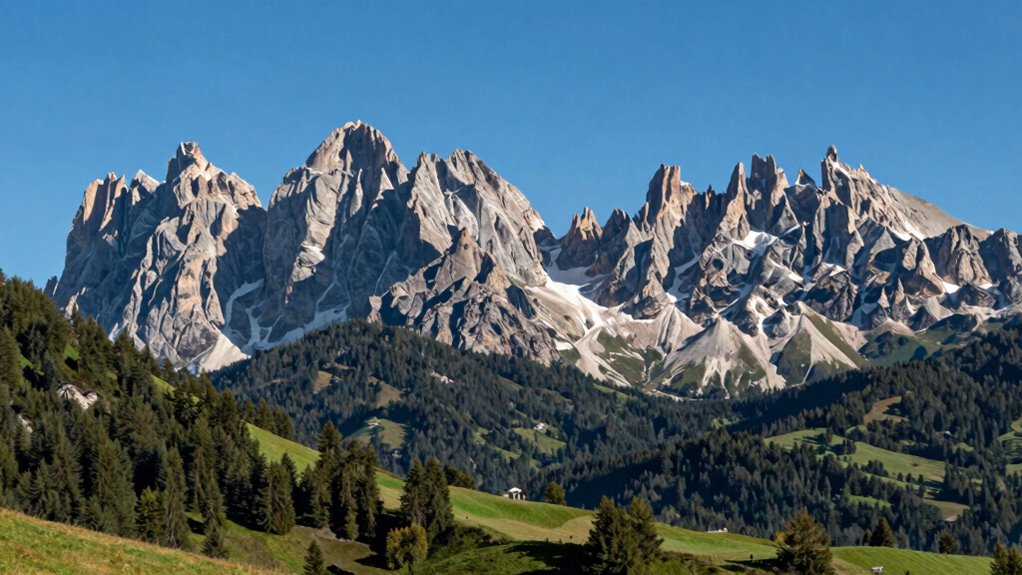

The Dolomites are incredibly beautiful because of their jagged, towering peaks and vibrant, shifting colors created by unique limestone and mineral content. Their dramatic shapes, shaped by ancient geological processes, give a serious, almost awe-inspiring presence that reflects their resilience and cultural significance. This combination of stunning scenery and enduring natural power makes them both mesmerizing and formidable. If you want to discover what truly makes these mountains so special, keep exploring their fascinating stories and features.

Get travel and outdoor gear delivered free with Prime
- Fast, free delivery on millions of items
- Prime Video, Amazon Music and more included
- Member-only deals all year
Key Takeaways
- Their jagged, towering spires and sharp ridges create a dramatic, awe-inspiring landscape.
- Unique dolomitic limestone results in striking color variations and intricate geological formations.
- Rich biodiversity and alpine flora add vibrant life to the rugged terrain.
- As a UNESCO World Heritage site, they symbolize natural resilience and cultural significance.
- Their formidable, ancient presence embodies Earth’s enduring power and natural history.
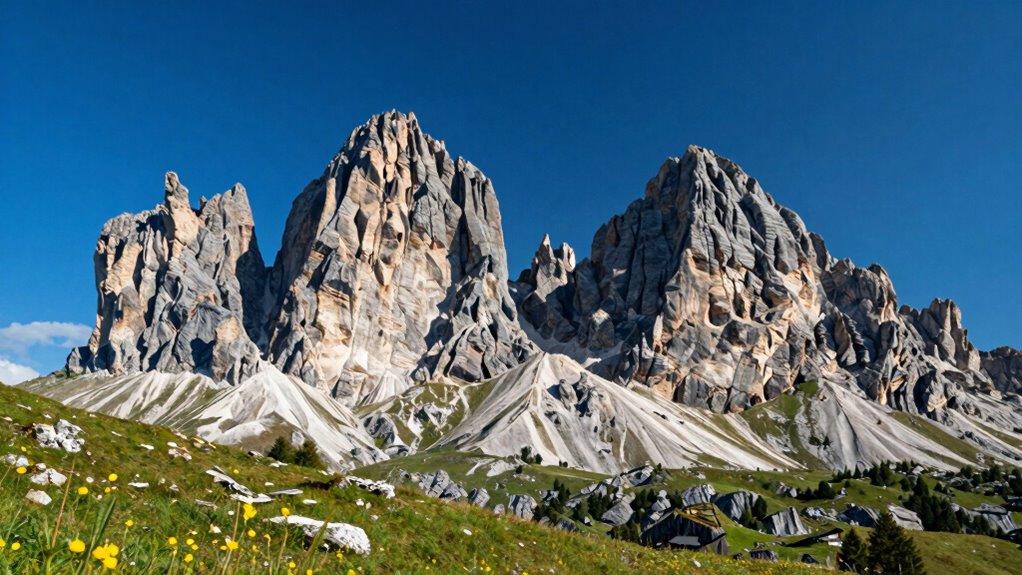
The Dolomites captivate visitors with their breathtaking peaks and striking limestone formations, but there’s more to their charm than just visual appeal. As you explore these majestic mountains, you’ll discover that their mountain geology is fundamental to their stunning appearance. These mountains are composed of unique dolomitic limestone, a rock that formed millions of years ago from ancient coral reefs. This geological composition creates the jagged, razor-sharp ridges and towering spires that define the landscape. The distinct layers and mineral content give the mountains their characteristic pale hue, which shifts beautifully with the changing light of the day. Understanding this mountain geology helps you appreciate why these peaks stand so dramatically against the sky and why they have remained relatively untouched by erosion, maintaining their formidable shapes. Additionally, the mineral content in the limestone influences the color variations seen across the range, adding to its visual drama. The preservation of these intricate formations highlights the importance of geological processes in shaping such extraordinary landscapes.
Furthermore, the geological diversity of the Dolomites has fostered a rich biodiversity, supporting a wide range of plant and animal species that thrive in this unique environment. The mountains aren’t just a geological marvel; they’re also a vibrant ecosystem filled with alpine flora. As you hike through these elevations, you’ll notice the remarkable diversity of plant life that has adapted to thrive in the high-altitude environment. Alpine flora includes hardy plants like edelweiss, gentians, and rare orchids, which cling to rocky crevices and alpine meadows. These plants have evolved to survive the harsh conditions—strong winds, cold temperatures, and limited soil. Their resilience adds a delicate touch of color and life to the rugged landscape, contrasting sharply with the stark limestone cliffs. Observing these plants in their natural habitat enhances your understanding of how life persists in extreme environments and highlights the balance between the mountains’ serious grandeur and their fragile beauty.
The serious aspect of the Dolomites stems from their status as a UNESCO World Heritage site, recognizing both their geological significance and their cultural importance. The mountains have long been a symbol of strength and resilience, shaping local traditions and history. Their formidable peaks once served as natural barriers in conflicts and continue to inspire awe in those who stand beneath them. Recognizing this solemn side doesn’t diminish their beauty; instead, it deepens your appreciation for their enduring presence and the stories they hold. The Dolomites aren’t just a pretty picture—they’re a testament to Earth’s geological history and the hardy life that persists in the face of extreme conditions. Their serious nature reminds you of the mountain’s timeless power, while their beauty invites you to marvel at their awe-inspiring landscape.
As an affiliate, we earn on qualifying purchases.
Frequently Asked Questions
What Is the Best Time of Year to Visit the Dolomites?
The best time to visit the Dolomites is during late spring to early autumn, from June to September. During this period, you can enjoy vibrant mountain flora and spot seasonal wildlife in their natural habitats. The weather is generally pleasant for hiking and outdoor activities, offering stunning views. Early summer also showcases blooming wildflowers, while autumn provides colorful scenery and fewer crowds, making your adventure even more memorable.
Are There Any Safety Concerns for Hikers and Climbers?
Yes, there are safety concerns for hikers and climbers in the Dolomites. You should always practice hazard awareness, as weather can change rapidly and rocky paths may be slippery. Carry essential safety equipment like helmets, maps, and proper footwear, and stay on marked trails. Knowing your limits is vital—don’t take unnecessary risks, and consider hiring guides if you’re inexperienced. Your safety depends on preparation and caution.
How Do Local Cultures Influence the Region’s Identity?
You notice how local cultures shape the Dolomites’ identity through vibrant traditions and lively cultural festivals. These customs, rooted in centuries of history, influence everything from architecture to cuisine, giving the region a unique charm. Participating in local events allows you to connect deeply with the community, experiencing their rich heritage firsthand. This blend of traditions and celebrations makes the Dolomites not only stunning but also culturally meaningful and authentic.
What Are the Most Unique Geological Features of the Dolomites?
You’ll notice the Dolomites’ unique geological features in their striking Karst formations, which create dramatic cliffs and caves. The region also boasts fossil-rich rocks, revealing ancient marine life embedded in the mountains. These features give the landscape a surreal, rugged beauty that’s both mesmerizing and serious. Their geological history, shaped over millions of years, makes the Dolomites a UNESCO World Heritage site, emphasizing their extraordinary natural significance.
Are There Eco-Friendly Tourism Options Available in the Area?
Yes, you can explore eco-friendly options in the Dolomites. You’ll find sustainable accommodations that prioritize green practices and reduce environmental impact. Engage in eco-friendly activities like hiking, via ferrata, and mountain biking that promote respect for nature. Think of your trip as a harmony with the landscape, where every step supports conservation efforts. By choosing eco-conscious options, you help preserve the breathtaking beauty of these majestic mountains for generations to come.
Conclusion
So, you might think the Dolomites are just a pretty face, but they’re so much more—challenging, awe-inspiring, and full of surprises. Don’t let the rugged peaks intimidate you; instead, see them as an invitation to push your limits and find beauty in the struggle. Whether you’re a climber or a hiker, the Dolomites promise a rewarding experience that’s worth every effort. After all, true beauty often comes with a little seriousness, and these mountains deliver both.
Halloween Picks
halloween
As an affiliate, we earn on qualifying purchases.