
Flatland sites make better training grounds because they offer consistent, open terrain that’s easy to access and modify for various drills. You’ll spend less time maneuvering hazards and more time focusing on skills, making training safer and more efficient. These sites also support organized setups and teamwork, with fewer environmental challenges. If you want to discover more about how flatlands enhance training effectiveness, keep exploring the benefits they provide.
Key Takeaways
- Flatlands offer consistent terrain, enabling reliable, repeatable training scenarios and easier skill assessment.
- They provide easier accessibility and convenience, reducing travel time and logistical challenges.
- Flat sites minimize hazards like loose rocks or steep inclines, enhancing safety for all participants.
- They simplify setup, organization, and communication, making training sessions more efficient.
- Flatlands are cost-effective and versatile, supporting multiple activities and sustainable use.
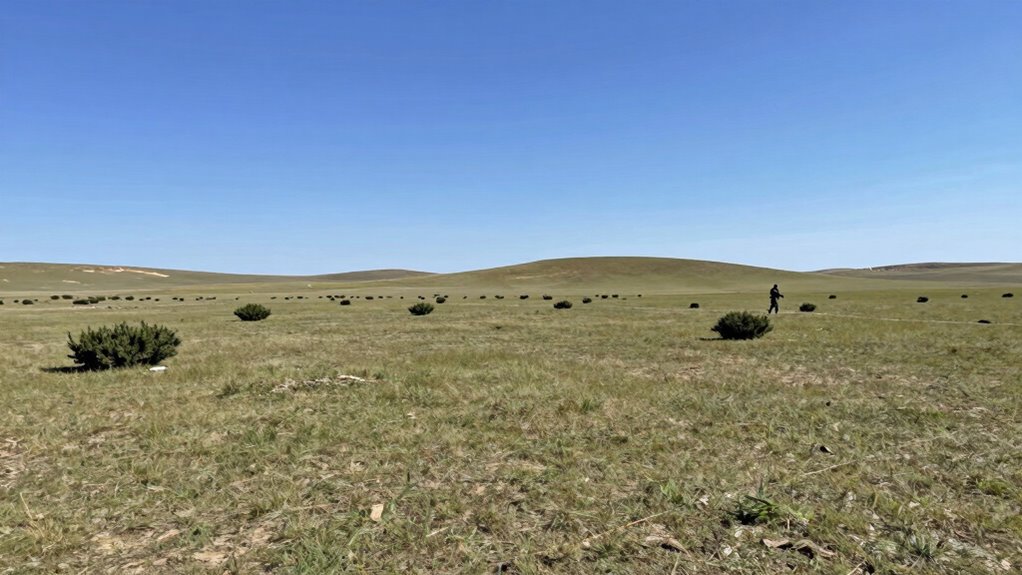
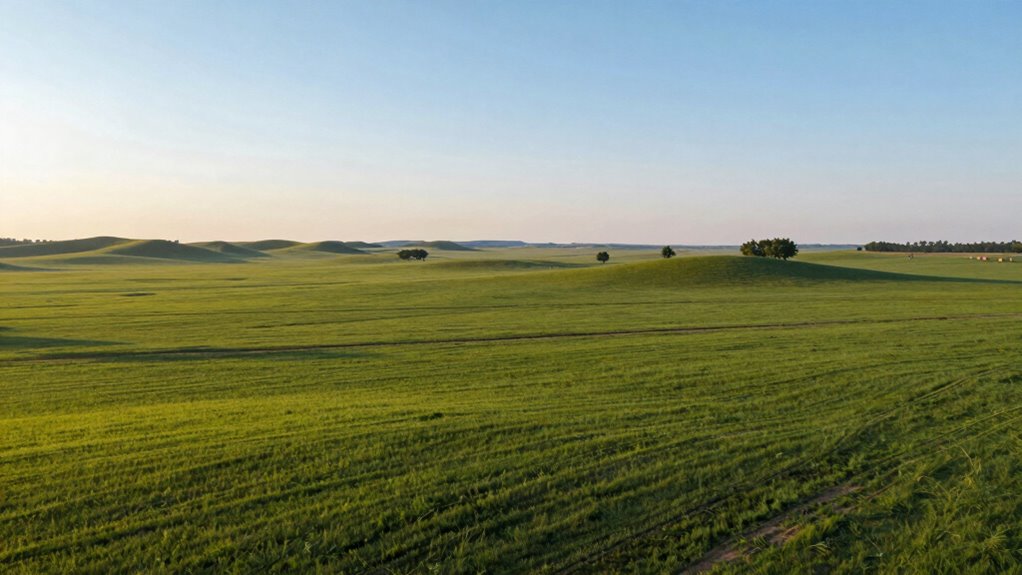
While mountain sites often attract attention for their challenging terrain, flatland sites offer practical advantages that make them better training grounds. One of the key benefits is terrain versatility. Flatlands provide a wide, open space that allows you to simulate various training scenarios without the obstacles that mountains typically present. Whether you’re practicing navigation, running drills, or setting up obstacle courses, flat terrain makes it easier to adapt your exercises. You can easily create different layouts, add markers, or modify the environment to suit your training needs. This flexibility helps you focus on specific skills without being hindered by uneven ground or steep inclines. Additionally, flatland sites often have terrain consistency, which contributes to more reliable and repeatable training conditions. Accessibility advantages are another reason flatland sites tend to be preferable. Unlike mountainous regions, which often require extensive planning to reach and can be difficult to access in bad weather, flatlands are generally easier to get to and navigate. They often have well-maintained pathways or open spaces that are suitable for all types of training, from individual drills to group exercises. This ease of access means you can spend more time training and less time worrying about terrain difficulties or transportation issues. It also allows for more frequent sessions, as you don’t have to wait for ideal conditions or special equipment to reach the site. Furthermore, flatland sites typically have fewer safety concerns related to terrain features like loose rocks, steep drops, or unstable ground. This makes them safer for a wider range of trainees, especially beginners or those recovering from injuries. You can focus on honing your skills without constantly adjusting for hazards, which improves overall training efficiency. The predictable surface also helps in maintaining consistency in your drills, making it easier to track progress and identify areas for improvement. In addition, flatlands often support better logistical planning. You can set up training stations, rest areas, and equipment without worrying about uneven ground or obstacles. This streamlines your training sessions, making them more organized and effective. The open space also facilitates communication and teamwork, especially in group training scenarios, since everyone can see and hear each other clearly without visual or physical obstructions. Moreover, sustainable practices can be more easily integrated into flatland training sites, minimizing environmental impact and promoting conservation efforts. Incorporating environmental sustainability into your training environment can also help preserve these open spaces for future use. In fact, flatlands may also provide opportunities for multi-purpose use, making them versatile spaces that can accommodate various activities beyond training. Additionally, the consistent and predictable terrain can contribute to cost savings by reducing the need for site modifications or specialized equipment.

RoadHero 18 Inch 4 Pack Collapsible Traffic Safety Cones, Multi Purpose Pop-up Cones with Reflective Collar for Road Safety, Orange Cones for Driving Training, Parking Lots
- High Visibility: Bright orange with reflective collars
- Easy to Store: Collapsible with storage bag included
- Stable Base: 9.6 inch square base for stability
As an affiliate, we earn on qualifying purchases.
As an affiliate, we earn on qualifying purchases.
Frequently Asked Questions
Are Flatland Sites Suitable for High-Altitude Training?
Flatland sites aren’t ideal for high-altitude training because they lack the elevation needed for altitude acclimatization. Without significant changes in terrain variability, your body won’t adapt to lower oxygen levels, which is essential for performance improvements at high altitudes. However, they can still be useful for building strength and endurance on stable terrain before progressing to mountain sites for actual altitude training.
How Do Weather Conditions Differ Between Flatland and Mountain Sites?
You’ll notice weather conditions differ markedly between flatland and mountain sites. Flatlands often experience higher wind exposure, leading to stronger, more consistent gusts that challenge your stability. Temperature variability tends to be greater in flat areas, with rapid changes between day and night, making it harder to adapt. Mountains generally offer more stable conditions, but flatlands push you to develop resilience against unpredictable weather, which can improve your overall training robustness.
Can Flatland Sites Simulate Mountain Terrain Effectively?
Flatland sites can effectively simulate mountain terrain by focusing on terrain variability and altitude simulation. You’ll find that creative course design, using elevation changes and varied surfaces, mimics mountain challenges. While they lack actual altitude, strategic setups can replicate the ruggedness and technical demands of mountains. This allows you to train with targeted techniques, building skills and strength needed for mountain terrain, all within a controlled, cost-effective, and convenient flatland environment.
What Safety Concerns Are Unique to Flatland Training Environments?
In flatland training environments, you should watch out for urban obstacles like uneven surfaces, debris, and sudden changes that could cause trips or falls. Wildlife encounters, such as stray animals or insects, can also pose safety risks. Always stay alert, wear appropriate gear, and have a plan for unexpected obstacles or encounters. Proper supervision and safety protocols help you navigate these unique hazards effectively.
Are Flatland Sites Accessible for People With Mobility Issues?
You might find flatland sites more accessible than mountain terrains, but accessibility challenges still exist. While the smooth terrain minimizes steep climbs, uneven surfaces and limited pathways can hinder mobility for some. You need to assess terrain variability and infrastructure carefully. With thoughtful planning and modifications, flatland sites can be adapted to be more inclusive, ensuring that individuals with mobility issues can participate safely and comfortably in training sessions.
Conclusion
So, next time you’re choosing a training ground, picture yourself on a vast, open plain—where every step feels like a fresh start. Flatlands offer endless space to hone your skills without the steep climbs and rocky challenges of mountains. With the wind at your back and the horizon stretching wide, you can focus fully on growth, gaining confidence in a landscape that’s as forgiving as it is expansive. Sometimes, simplicity truly is the best teacher.