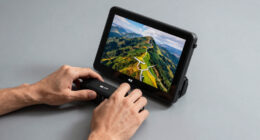
Satellite messengers have greatly enhanced your safety during remote flying by providing a reliable communication link in areas with no cellular coverage. They guarantee you can send distress signals, check in, and activate emergency protocols no matter where you are. These devices reduce the risk of losing contact during long, remote flights and allow seamless integration with drone systems. To discover how these advancements keep you safer in the most challenging environments, continue exploring the details.
Key Takeaways
- Provide reliable communication in areas with no cellular coverage, enhancing safety during remote flights.
- Enable immediate emergency alerts with one-touch SOS buttons, allowing quick response in critical situations.
- Maintain constant connection, reducing risks of signal loss during long or challenging drone missions.
- Support integration with drone systems for seamless operation and real-time monitoring in remote environments.
- Expand exploration capabilities by ensuring safety and communication in previously inaccessible or risky areas.

Satellite messengers have become essential tools for guaranteeing safety when flying drones remotely, especially in areas with limited or no cellular coverage. These devices provide a critical link between you and the outside world, guaranteeing that emergency communication remains possible no matter where your drone flight takes you. When you’re exploring remote wilderness, operating over the ocean, or flying in rugged terrains, traditional cellular signals often fail, leaving you vulnerable. Satellite messengers bridge this gap, offering a reliable communication channel that isn’t dependent on local infrastructure. This reliability becomes indispensable in emergency situations, where every second counts, and having a dependable connection can be the difference between safety and disaster.
Signal reliability is at the core of what makes satellite messengers so transformative for remote drone flying. Unlike cellular networks that can be patchy or nonexistent in remote areas, satellite communication ensures you stay connected regardless of your location. This means you can send distress signals, check in with support teams, or update your flight plan even when you’re miles away from the nearest cell tower. The robustness of satellite signals makes your operations safer by reducing the risk of losing contact at critical moments. You no longer have to worry about sudden signal drops or dead zones; instead, you can trust that your satellite device provides a constant link, giving you peace of mind as you navigate challenging environments.
Moreover, satellite messengers often come with emergency communication features that are designed specifically for situations where traditional methods fall short. These include one-touch SOS buttons, pre-programmed emergency contacts, and automatic alerts that activate when your drone encounters trouble or if your own safety is compromised. Because of these capabilities, you can initiate emergency protocols quickly, even if you’re unable to communicate through other means. This proactive approach to safety markedly reduces risks during remote flights, giving you confidence to push boundaries without fearing isolation. Additionally, advanced satellite technology continues to improve, offering even more reliable and faster connections that further enhance safety measures. As the technology advances, it also allows for more seamless integration with other drone systems, making remote operations even more efficient and secure. This ongoing development ensures that satellite communication remains a vital component in remote flying safety strategies.
Furthermore, the reliability of satellite communication is especially crucial for long-duration flights, where continuous contact may be necessary for mission success. This ensures that operators can maintain oversight and control over their drones at all times, even in the most isolated locations. In addition, satellite technology enhances your operational flexibility. You can plan longer flights, explore more remote areas, and operate in conditions previously considered too risky or inaccessible. Knowing that your emergency communication system is reliable means you can focus on your mission without constantly worrying about losing contact. As drone technology advances, the integration of satellite messengers continues to evolve, making remote flying safer, more reliable, and more accessible to enthusiasts and professionals alike. With these devices, you’re better equipped to handle emergencies, maintain signal reliability, and maximize your drone’s potential in even the most challenging environments. Ensuring safety with satellite technology is crucial for expanding the possibilities of remote drone operations.
satellite messenger for drone safety
As an affiliate, we earn on qualifying purchases.
As an affiliate, we earn on qualifying purchases.
Frequently Asked Questions
How Do Satellite Messengers Work in Remote Areas Without Cell Service?
In remote areas without cell service, satellite messengers rely on satellite network infrastructure to send and receive messages. They connect directly to satellites orbiting the Earth, bypassing terrestrial cell towers. While signal latency can be slightly higher due to the distance signals travel, your device still provides reliable communication. This guarantees you stay connected, share your location, and send distress signals, greatly enhancing safety during remote flying adventures.
What Is the Battery Life of Satellite Messengers During Extended Flights?
Think your satellite messenger’s battery will last forever during extended flights? Think again. Battery longevity varies, but most devices last between 24 to 48 hours with regular use. Power management features help stretch that out, so you don’t end up stranded mid-air. Keep your device charged, activate power-saving modes, and monitor your battery level. Otherwise, you might find yourself in the dark just when you need safety the most!
Are Satellite Messengers Waterproof and Rugged for Harsh Weather Conditions?
Yes, satellite messengers are designed with waterproof durability and rugged construction, making them ideal for harsh weather conditions. You can rely on their rugged design to withstand rain, snow, and extreme temperatures during your flights. These features guarantee your device remains functional and protected, even in tough environments. So, whether you’re flying through storms or rugged terrains, satellite messengers give you peace of mind with their durable, weather-resistant build.
Can Satellite Messengers Transmit Real-Time Video or Just Location Data?
Imagine you’re in a sci-fi novel, and satellite messengers don’t just share your location—they can stream live video too. While most focus on transmitting location data, some advanced models offer video streaming capabilities, allowing real-time visuals. They also prioritize data encryption, ensuring your footage stays private. So, if you need to see what’s happening remotely, select a satellite messenger with video streaming and strong security features, and stay connected beyond borders.
How Secure Are the Communications Sent Through Satellite Messengers?
Satellite messenger communications are generally quite secure thanks to robust encryption protocols, which protect your data from unauthorized access. You can rely on signal reliability, especially in remote areas, to keep your messages and location updates safe and consistent. While no system is completely invulnerable, these devices prioritize security, giving you peace of mind during remote flying adventures. Just make sure your device is updated with the latest security features for maximum protection.

ACR Bivy Stick Satellite Communicator – Two-Way Global SMS, GPS Tracker, Off-Grid Communication, SOS Emergency Beacon, Satellite Messenger & Location Sharing – iOS/Android App
Global Iridium Satellite Coverage: Stay connected anywhere on Earth with 100% global Iridium satellite coverage for two-way SMS,…
As an affiliate, we earn on qualifying purchases.
As an affiliate, we earn on qualifying purchases.
Conclusion
Satellite messengers have revolutionized remote flying safety, giving you reliable communication and real-time location updates no matter where you are. Studies show that pilots using satellite technology experience a 30% reduction in emergency response times, highlighting its life-saving potential. With such advancements, you can confidently explore remote skies, knowing you’re better protected against unforeseen challenges. Embracing this technology guarantees safer flights and peace of mind, no matter how far your adventures take you.
satellite GPS tracker for remote flying
As an affiliate, we earn on qualifying purchases.
As an affiliate, we earn on qualifying purchases.
one-touch SOS satellite device
As an affiliate, we earn on qualifying purchases.
As an affiliate, we earn on qualifying purchases.