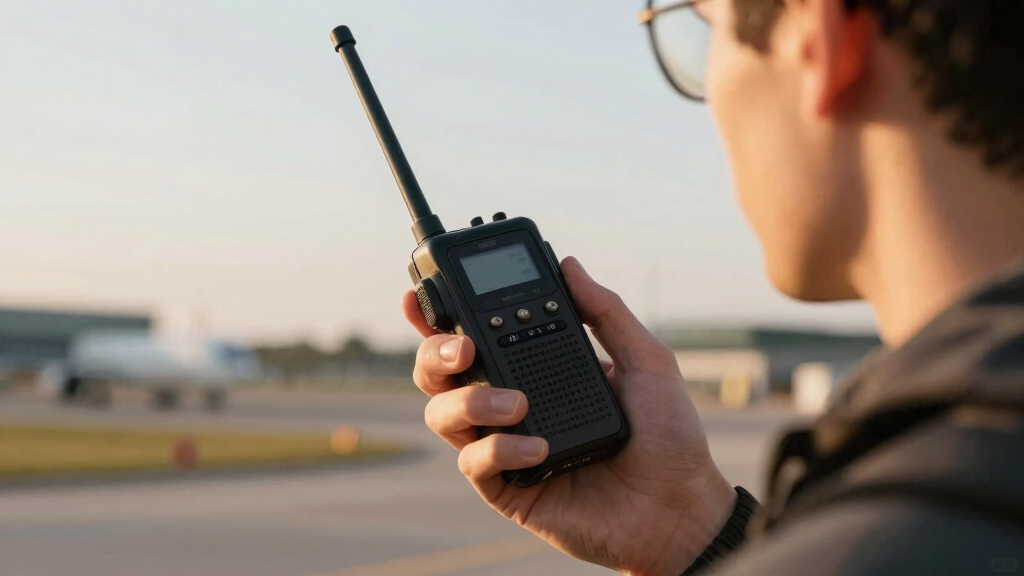
Searching for an airband scanner radio? The best options vary from handheld devices for portability to desktop models with extensive features. The Uniden Bearcat BCD160DN stands out as the overall top pick for its versatility and digital reception, while the Whistler WS1025 offers excellent analog scanning at a lower price. Many models balance between long-range capability, ease of use, and channel capacity, but tradeoffs often include complexity, size, or cost. Keep reading for a detailed comparison to help you find the right fit for your scanning needs.
Key Takeaways
- Digital and analog capabilities vary significantly, impacting coverage and future-proofing.
- Handheld models excel in portability but often have fewer channels and features than desktop scanners.
- Ease of programming is crucial—wireless app support simplifies setup for most users.
- Price ranges reflect build quality and feature sets; higher cost often means more extensive coverage.
- Specialized features like NOAA alerts and spectrum sweeping are important for specific use cases.






More Details on Our Top Picks
Uniden Bearcat BCD160DN Handheld Digital Scanner
The Uniden Bearcat BCD160DN stands out for its ability to handle multiple digital protocols like DMR and NXDN, making it a flexible choice for users who need digital signal decoding. Unlike the Whistler WS1025, which is limited to analog signals, this model supports advanced digital systems, though it sacrifices trunking and APCO P25 functionality—important for users monitoring public safety networks. Its band scope and rapid tagging features help detect signals quickly, but it relies on PC software for full customization, which could be inconvenient. The 1,000-channel limit is manageable for most hobbyists but might fall short for extensive scanning needs. Overall, this scanner is ideal for tech-savvy enthusiasts who want digital protocol support without trunking capabilities.
Pros:- Supports multiple digital protocols including DMR and NXDN
- Preloaded with protocols for immediate use
- Features like band scope and rapid tagging enhance signal detection
Cons:- Does not support trunking and APCO P25 systems
- Limited to 1,000 channels, which may restrict extensive scanning
Best for: Professional hobbyists or technicians needing multi-protocol digital scanning with detailed signal analysis
Not ideal for: Beginners or users requiring trunking system support, as it lacks APCO P25 compatibility and has a moderate channel limit
- Channels:1,000
- Supported Protocols:DCS/CTCSS, DMR, NXDN
- Preloaded Protocols:DMR, NXDN
- Features:Band Scope, Rapid System/Channel Tagging, Narrow-band Reception, Custom Search, PC Programming
- Trunking and APCO P25:Not supported
Bottom line: A strong choice for users seeking versatile digital protocol support, but less suitable for those needing trunking or large channel capacity.
Radioddity GM-30 PRO GMRS Radio, Long Range Handheld with UHF/VHF/NOAA/FM/Airband Reception, Wireless App Programming, 1.77″ TFT Display, 1,000 Channels, 2 Pack & 2 Speaker Mics
The Radioddity GM-30 PRO offers broad frequency coverage, including VHF, UHF, NOAA, FM, and airband, surpassing the capabilities of basic scanners like the Whistler WS1010. Its wireless app programming feature makes setup and updates straightforward, especially for outdoor or field users who prefer avoiding PC cables. With support for 1,000 channels across 10 zones, it suits outdoor enthusiasts, emergency responders, or hobbyists monitoring multiple services. However, power output and battery life details are not specified, which could impact field reliability. This model excels for those needing flexible multi-band coverage and modern programming options, but may be less ideal for users seeking detailed digital decoding or trunking features.
Pros:- Supports a wide range of frequencies including NOAA and airband
- Wireless app programming simplifies setup without PC cables
- Large, readable TFT display improves outdoor visibility
Cons:- Power output and battery duration are unspecified
- Complex features may overwhelm beginners
- Lacks digital trunking capabilities
Best for: Outdoor enthusiasts, emergency responders, and field operators needing multi-band reception and easy programming
Not ideal for: Users requiring digital trunking or extensive digital protocol support, since it primarily focuses on analog and multi-band reception
- Channels:1,000
- Zones:10
- Display:1.77-inch TFT
- Bands:UHF, VHF, NOAA, FM, Airband
- FCC ID:2AN62-GM30PRO
Bottom line: A versatile, user-friendly choice for outdoor monitoring, with limitations for digital trunking and advanced digital decoding.
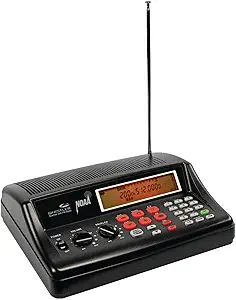
Whistler WS1025 Analog Desktop Scanner
The Whistler WS1025 offers a straightforward approach with 200 channels, ideal for users who prefer analog signals and simple interface. Its backlit LCD and programmable features make it suitable for those familiar with radio scanning. Compared to digital options like the Uniden BCD160DN, it cannot decode digital protocols but excels in stability and ease of use for analog signals. The limited channel capacity and lack of trunking support restrict its scope, making it less suitable for users monitoring complex systems. Still, for dedicated hobbyists focused on police, fire, and weather broadcasts, this model offers a dependable, easy-to-operate solution.
Pros:- Large 200-channel capacity for versatile monitoring
- Backlit LCD for easy viewing in low light
- Programmable for various radio types
Cons:- Limited to analog signals only
- Designed for experienced users, potentially complex for novices
- No digital decoding features
Best for: Experienced hobbyists or professionals focused on analog signal monitoring and simple user interfaces
Not ideal for: Beginners or digital scanner users, as it cannot decode digital signals or trunking systems
- Channels:200
- Display:Backlit LCD
- Type:Analog Desktop Scanner
- Programmable:Yes
- Recommended for:Experienced users
Bottom line: A reliable, straightforward scanner best suited for experienced users focused on analog broadcasts.
Whistler WS1010 Analog Handheld Scanner – 400 Channels, Skywarn, Weather Alerts, Spectrum Sweeper, PC Programmable, Service Banks for Police, Fire, Marine, Air & Ham
The Whistler WS1010 provides a portable solution with 400 channels and multiple service banks, making it a solid pick for weather enthusiasts and storm spotters. Its Skywarn storm spotting and weather alerts are particularly useful during emergencies, giving it an edge over basic analog scanners like the Whistler WS1025. Its PC programmability allows easy updates and backups, but the need for 4 AA batteries adds ongoing costs and inconvenience. As an analog-only device, it cannot support digital systems, limiting its future-proofing. Its compact size and storm tracking features make it perfect for field use, but it’s less suitable for users wanting digital or trunking support.
Pros:- Supports 400 channels with service banks
- Includes weather alerts and Skywarn storm spotter functionality
- PC programmability facilitates easy updates
Cons:- Requires 4 AA batteries, which need replacements
- Analog only, no digital decoding
- Discontinued model, potentially hard to find
Best for: Storm spotters, weather watchers, and portable monitoring enthusiasts focused on analog signals
Not ideal for: Digital system users or those requiring trunking or advanced digital features, due to its analog-only design
- Product Dimensions:1.56 x 2.37 x 5.68 inches
- Item Weight:7.7 ounces
- Batteries:4 AA (included)
Bottom line: A portable, weather-ready scanner ideal for storm monitoring and analog users, but limited by its lack of digital support.
TIDRADIO TD-H3 Ham Radio Multi-Band Two-Way Radio with AirBand & Long Antenna, USB-C Programming & Charging, 2500mAh Battery, One Key Frequency Match, DTMF FM NOAA VOX Scan
The TIDRADIO TD-H3 stands out for its versatility across multiple bands, including AirBand, and its support for advanced programming methods like USB-C and wireless replication. Compared with simpler scanners like the BC125AT, it offers more comprehensive features suitable for serious amateur radio users and outdoor enthusiasts who value long-range antennas and extended battery life. However, its complexity can be daunting for beginners, especially since some features, like AM frequency programming, require additional software setup. The large 2500mAh battery and multi-band support make it ideal for extended outdoor use, but the extensive options come with a learning curve. If you want a multi-purpose device with upgradeability and flexible programming, this is a strong choice.
Pros:- Supports USB-C programming and firmware updates for future-proofing
- Includes long-range antennas for enhanced communication
- Large 2500mAh battery for extended operation
- Features AirBand, DTMF, NOAA, and VOX functionalities
Cons:- Complex setup process for users unfamiliar with radio programming
- Some features like AM frequency programming require software configuration
- Limited to certain frequency ranges without additional setup
Best for: Amateur radio enthusiasts and outdoor users who need multi-band capabilities and extensive programmability.
Not ideal for: Beginners or casual listeners seeking a simple, plug-and-play scanner without complex setup.
- Model:TD-H3
- Battery Capacity:2500mAh
- Antenna:TD-771 Long Antenna, Airband Antenna (120/300MHz)
- Frequency Range:VHF 144-148MHz, UHF 420-450MHz
- Programming Methods:USB-C, Odmaster App & Website, CHIRP, CPS
- Display:1.44 inch TFT color screen
- Features:AirBand, DTMF, FM, NOAA, VOX, Scan, One Key Frequency Match
Bottom line: This radio suits serious hobbyists and outdoor users who want a feature-rich, adaptable device, despite its learning curve.
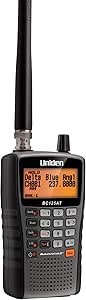
Uniden Bearcat BC125AT Handheld Scanner
The Uniden Bearcat BC125AT is a straightforward, portable analog scanner that excels at quick access to over 40,000 frequencies, making it ideal for newcomers or casual users. Its alpha-tagged channels simplify organization, and the backlit display ensures visibility in low light. Unlike digital-capable models like the BC355N, it sticks to analog signals, which limits its future-proofing but keeps operation simple. Compared to the more advanced GM-30 Plus, the BC125AT is easier to operate but lacks features like GPS or multi-band receive. It’s a reliable, no-frills option for those who primarily monitor analog channels and want a lightweight device for everyday carry. Its simplicity is both its strength and its drawback for users seeking digital or trunking capabilities.
Pros:- Compact and lightweight for easy portability
- Alpha-tagged channels for simple organization
- Backlit display for visibility in low-light conditions
- Pre-set search bands for quick access to common channels
Cons:- Limited to analog signals, no digital support
- No two-way communication capabilities
- Less future-proof in areas shifting to digital radio systems
Best for: Beginners, hobbyists, and users who prefer a portable, easy-to-use analog scanner.
Not ideal for: Professionals or users needing digital, trunking, or multi-band monitoring for complex environments.
- Channels:500 alpha-tagged channels
- Frequencies:25-54 MHz, 108-174 MHz, 225-380 MHz, 400-512 MHz
- Technology:Analog only
- Display:Orange backlight
- Features:Close Call, Weather Alert
- Power:Portable
Bottom line: Ideal for beginners wanting a simple, portable scanner for basic analog monitoring without digital complexity.
Uniden BC355N 300-Channel Analog Scanner with Close Call Capture and NOAA Weather
The Uniden BC355N offers a balanced mix of features for those starting out, with the ability to monitor police, fire, marine, and weather channels. Its 300 channels and pre-programmed search bands make it easy to set up, while Close Call RF Capture technology allows quick tuning to nearby signals. Compared with the BC125AT, it provides a larger display and more channels, but still remains limited to analog systems, unlike digital models such as the GM-30 Plus. The inclusion of NOAA weather alerts enhances its utility for outdoor or emergency use, yet it lacks digital or trunking support, which could be a limitation in more modern environments. This makes it a solid choice for budget-conscious users focused on analog monitoring and weather updates.
Pros:- Affordable and easy to operate
- Supports police, fire, marine, and weather channels
- Includes Close Call RF Capture for quick signal detection
- Multiple power options for flexible use
Cons:- Limited to analog frequencies only
- No digital or trunking monitoring capability
- Small channel capacity compared to higher-end models
Best for: Beginner or budget-conscious users seeking a basic analog scanner with weather monitoring.
Not ideal for: Users requiring digital, trunking, or multi-band receive capabilities for complex environments.
- Channels:300
- Frequency Range:108-137 MHz, 400-512 MHz
- Service Banks:6
- Display:Backlit
- Features:Close Call, NOAA Weather
- Power Options:AC, DC, automotive
Bottom line: A reliable starter scanner for basic analog monitoring, especially useful for weather alerts and emergency channels.
Radioddity GM-30 Plus GMRS Handheld Radio, Repeater Capable, Long Range NOAA/UHF/VHF/Airband Scanner & Receiver, 1000 Channels, GPS Tracking, 2500mAh Battery, USB-C Charging
The Radioddity GM-30 Plus excels as an all-in-one handheld device with support for GMRS, UHF, VHF, NOAA, and AirBand, making it highly versatile for outdoor activities, emergency scenarios, and team communications. Its impressive 15-mile transmission range surpasses many dedicated scanners like the BC355N, while GPS tracking adds an extra layer of safety. Compared with the GM-30 PRO, it offers a more straightforward interface for outdoor users who need robust multi-band reception and a long-lasting battery. Its main tradeoff is that understanding and managing multiple bands requires familiarity, and the water resistance, while helpful, isn’t fully waterproof. This model makes the most sense for outdoor enthusiasts or emergency responders who need broad coverage in a portable form.
Pros:- Supports a wide range of frequencies including NOAA and AirBand
- Long transmission range up to 15 miles
- Built-in GPS for location tracking
- High-capacity 2500mAh battery with USB-C charging
Cons:- Requires understanding of multiple radio bands for effective use
- GPS accuracy can be affected by environmental factors
- Water resistance isn’t fully waterproof
Best for: Outdoor adventurers, emergency responders, and users needing multi-band, long-range portable communication.
Not ideal for: Casual listeners or those who only need basic analog scanning without GPS or multi-band support.
- Number of Channels:1000
- Transmission Range:Up to 15 miles
- Supported Bands:GMRS, UHF, VHF, NOAA, Airband
- Battery:2500mAh
- Charging Port:USB-C
- Additional Features:GPS Tracking, Repeater Capable
Bottom line: This radio is perfect for outdoor and emergency users who need broad band coverage and reliable long-range communication, despite its learning curve.
Radioddity GM-30 PRO GMRS Radio, Long Range Walkie Talkie with UHF/VHF/NOAA/FM/Airband Reception, APP Wireless Programming, 1.77″ TFT Display, Frequency Copy, USB-C Charging, 1,000 Channels
The Radioddity GM-30 PRO rounds out the lineup as a highly feature-rich GMRS radio with multi-band receive including NOAA, AirBand, and FM. Its wireless app programming and large 1.77-inch TFT display make setup and operation straightforward for users comfortable with smartphone integration. In comparison to the GM-30 Plus, this model emphasizes remote programming and a bright display, ideal for field technicians or outdoor users who want quick, easy adjustments. A potential tradeoff is that its extensive features may be overwhelming for less experienced users, and battery life could be affected by constant app use. Still, for those who value advanced control and multi-band reception, this pick offers a compelling package.
Pros:- Supports a broad spectrum of frequencies including NOAA and airband
- Wireless app programming for quick setup and adjustments
- Large, bright TFT display for easy readability
- Supports up to 1,000 channels across 10 zones
Cons:- Features may be too complex for beginners
- Requires a smartphone for programming, adding dependency
- Battery life could diminish with extensive app use
Best for: Tech-savvy outdoor enthusiasts and emergency responders who prefer wireless app programming and extensive multi-band reception.
Not ideal for: Casual users or beginners who want a simple, straightforward scanner without smartphone dependency.
- Frequency Range:VHF, UHF, NOAA, FM, airband
- Channels:Up to 1,000
- Zones:10
- Display:1.77-inch TFT
- Connectivity:Wireless app, USB-C
- FCC ID:2AN62-GM30PRO
Bottom line: Ideal for experienced users seeking flexible, multi-band reception with convenient wireless programming, though it may be complex for newcomers.
Uniden BC365CRS 500 Channel Scanner, Alarm Clock, FM Radio, Weather Alerts
The Uniden BC365CRS stands out for offering a versatile combination of public safety, weather, marine, and amateur radio channels, all on an affordable platform. Its large backlit LCD makes navigating the 500 channels straightforward, and integrated FM radio adds entertainment value. Compared to dedicated handheld options like the Bearcat SR30C, this model excels in its larger display and added alarm clock functions, making it ideal for home or desk use. However, it’s limited to analog signals, which means it won’t pick up digital trunking systems increasingly used by agencies, a key tradeoff for those wanting future-proofing. This pick makes the most sense for users seeking a comprehensive, easy-to-use scanner with basic alerting and radio features at a budget-friendly price, but not for those needing digital or trunking support.
Pros:- Wide coverage of channels including weather, marine, and public safety
- Built-in FM radio with presets for entertainment
- Large, backlit LCD for easy readability
Cons:- Limited to analog signals only, missing digital systems
- Does not support digital or trunking communications
Best for: Home users or hobbyists who want a wide range of channels and basic weather alerts without digital complexity
Not ideal for: Emergency responders or advanced hobbyists who need digital trunking or P25 system support
- Channels:500
- Type:Analog Scanner
- FM Radio Presets:30
- Display:Backlit LCD
- Alarm Clock:Yes
- Snooze:Yes
- Sleep:Yes
- Priority Channels:Yes
Bottom line: This scanner is perfect for users seeking an all-in-one analog solution for casual listening and alerts at an affordable price.
Uniden Bearcat SR30C 500-Channel Compact Handheld Scanner
The Uniden Bearcat SR30C offers a portable scanning experience focused on ease of use, making it suitable for beginners. Its compact size fits comfortably in hand, and with 500 channels across over 32,000 frequencies, it covers a broad spectrum of public safety, weather, marine, and racing bands. This model excels in its simplicity and multiple power options, including rechargeable batteries and USB power, which adds flexibility in outdoor or mobile scenarios. Compared with larger, more feature-rich scanners like the Whistler WS1010, the SR30C prioritizes portability over advanced digital features, as it cannot handle P25 or DMR systems. This makes it ideal for users new to scanning or those who want a lightweight device for casual monitoring, but it’s not suited for those needing support for digital trunking or P25 systems.
Pros:- Compact size and lightweight for portability
- Multiple power options including rechargeable batteries
- Pre-set service banks for quick scanning
Cons:- Limited to non-digital, analog signals
- Cannot support digital trunking or P25 systems
Best for: Beginners or outdoor enthusiasts wanting a portable, easy-to-use scanner with multiple power options
Not ideal for: Advanced users or professionals needing digital trunking or P25 system support
- Channels:500
- Frequencies:Over 32,000
- Service Banks:10
- Power Options:USB, 2x AA batteries
- Digital Compatibility:Non-Digital
- Size:Compact handheld
Bottom line: This handheld scanner is ideal for novice users seeking a portable, straightforward device for basic monitoring tasks.
BAOFENG UV-5G PRO GMRS Handheld Radio, 5W, NOAA/UHF/VHF/Airband Scanner & Receiver
The BAOFENG UV-5G PRO is a versatile handheld with a long-range reach up to 15 miles, making it suitable for outdoor activities, emergencies, and amateur use. Its capability to scan NOAA weather, UHF/VHF, and airband signals provides a broad listening scope, surpassing basic scanners in versatility. The inclusion of GMRS repeater support adds a layer of reach and flexibility, especially for outdoor communication. However, its reliance on programming via Chirp and the lack of detailed battery life data mean it might require some technical setup and maintenance. Compared with dedicated scanners like the SR30C, it offers more transmission features but can be complex for newcomers to configure properly. This makes it a good pick for users comfortable with programming or those seeking a multi-purpose radio for both listening and transmitting in outdoor environments.
Pros:- Long transmission range up to 15 miles
- Supports multiple bands including NOAA and airband
- Rechargeable with durable battery life
Cons:- Requires programming for optimal use, which can be complex
- Limited details on actual battery life duration
Best for: Outdoor enthusiasts, emergency preppers, or amateur radio operators comfortable with programming
Not ideal for: Beginners or those seeking a plug-and-play scanner for casual monitoring
- Power:5W
- Range:Up to 15 miles
- Frequency Bands:UHF, VHF, NOAA, Airband
- Repeater Capable:Yes
- Rechargeable:Yes
Bottom line: This multi-band, long-range radio is best for experienced users needing versatile outdoor communication and scanning capabilities.

How We Picked
The products were selected based on performance, usability, build quality, and value. Priority was given to scanners with broad frequency coverage, reliable reception, and user-friendly interfaces. We also considered programmability—both manual and via apps—and the variety of features like weather alerts, digital decoding, and channel capacity. Devices with positive reviews for durability and ease of use ranked higher, while cost-performance balance played a key role. This approach ensures that each recommended model serves a clear purpose for different types of users, from casual hobbyists to serious professionals.Factors to Consider When Choosing Airband Scanner Radio
Choosing the right airband scanner radio involves evaluating several key factors beyond just specifications. Understanding your primary use case—whether casual listening, emergency preparedness, or professional monitoring—can help prioritize features. Balancing cost against performance is essential, as more advanced models often come with increased complexity and price. Here are the main considerations to keep in mind when selecting your ideal scanner.Frequency Coverage and Digital vs. Analog
One of the most critical factors is the scanner’s frequency range. Some models focus solely on analog channels, which are more common but less future-proof. Others include digital decoding, enabling access to encrypted or digital signals, which are increasingly prevalent. Consider what types of broadcasts you want to monitor and whether digital capability is worth the extra cost for your needs.
Portability and Form Factor
Deciding between handheld and desktop scanners depends on how you plan to use the device. Handheld units offer mobility, perfect for field use or quick monitoring, but often have fewer channels and limited features. Desktop models provide more extensive capabilities, larger displays, and better antennas, suitable for home or office use. Think about your environment and whether portability or performance takes priority.
Ease of Programming and User Interface
Programming scanners can be straightforward or complex. Devices with app support or PC connectivity simplify setup, especially for users unfamiliar with radio frequencies. Conversely, models requiring manual programming may appeal to enthusiasts who prefer hands-on control. Evaluate your comfort level with technology and how often you’ll need to change channels or update settings.
Additional Features and Alerts
Features like NOAA weather alerts, spectrum sweeping, and close call detection add significant value, especially for emergency preparedness or hobbyists monitoring multiple sources. However, these features often increase the cost and complexity. Prioritize what features align with your monitoring goals to avoid overpaying for extras you won’t use.
Cost and Long-term Value
While budget models can suffice for basic listening, investing in a higher-priced scanner with digital decoding, extensive channels, and robust build quality can save money in the long run. Consider whether the device can be upgraded or if it offers future-proof features, especially if you plan to expand your monitoring activities over time.
Frequently Asked Questions
Can I use an airband scanner radio to listen to aircraft communications?
Yes, most airband scanner radios are designed to pick up aircraft communications within the VHF frequency range. However, the quality and ease of listening depend on the scanner’s frequency coverage, digital decoding capabilities, and antenna quality. For consistent and clear reception, look for models with dedicated airband modes and good sensitivity.
Is digital scanning necessary, or can I stick with analog models?
While analog scanners are simpler and cheaper, digital scanning is increasingly important as many communications shift to digital formats. Digital scanners can decode modern transmissions, providing access to more channels and clearer audio. If you want a future-proof device that can handle current and upcoming broadcasts, investing in a digital capable scanner makes sense.
How important is the antenna quality on an airband scanner?
The antenna significantly influences reception quality, especially for long-range or weak signals. A high-gain or extendable antenna can dramatically improve your listening experience, but it may also add to the cost and complexity. For portable scanners, a good external antenna can make a noticeable difference, so consider this factor when choosing your device.
Are there legal restrictions on what I can listen to with an airband scanner?
Listening to public safety and aviation communications is generally legal in many jurisdictions, but transmitting on these frequencies is often illegal without proper licensing. It’s important to familiarize yourself with local laws to ensure compliance. Using a scanner responsibly avoids legal issues and respects privacy concerns related to certain communications.
Should I prioritize a model with a large channel capacity or a compact design?
This depends on your intended use. A large channel capacity allows monitoring multiple sources simultaneously, ideal for serious hobbyists or professionals. Conversely, a compact design offers portability and ease of storage, suitable for casual users or field monitoring. Balancing size and capacity based on your needs helps you choose the most appropriate device.