
TL;DR
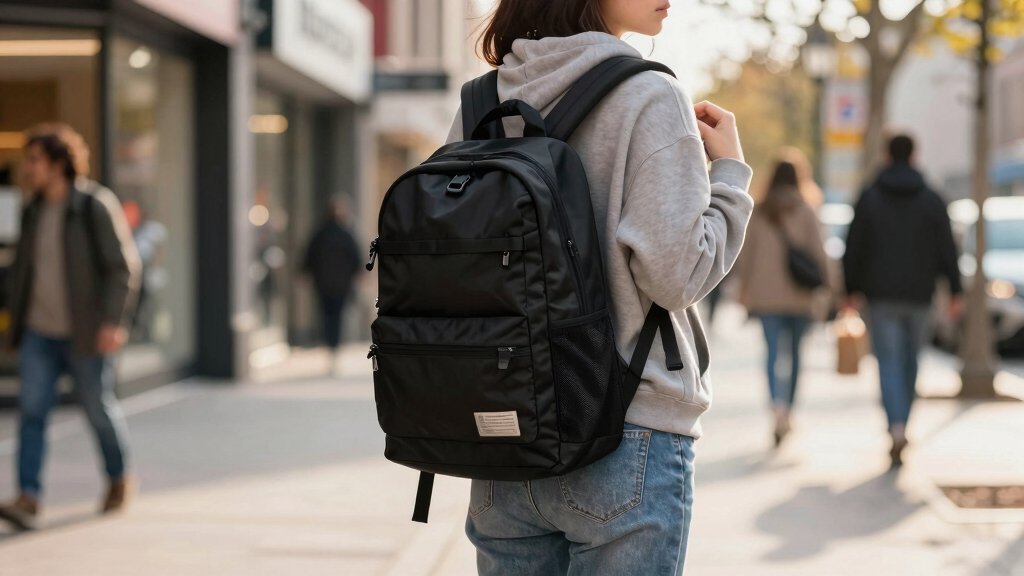
Compact travel backpacks for students are designed to be lightweight, durable, and packed with smart features. They fit essentials perfectly and are ideal for school, short trips, or as carry-on luggage, making your life easier and more organized.
If your backpack feels like a brick on your shoulders, it’s time for a change. Compact travel backpacks for students have become a game-changer—light, smart, and packed with features. Whether you’re heading to class or catching a weekend getaway, the right pack makes all the difference. Today, we’ll explore what makes a backpack perfect for students on the move—so you can carry less, do more, and look sharp doing it.
From size to security, we’ll cover everything you need to know. Plus, you’ll see which models hit the sweet spot between style and function. Ready to upgrade your everyday carry? Let’s go.
Choose a backpack between 20-30 liters for daily and travel use; it balances space and portability.
Look for ergonomic designs with padded straps and breathable backs to stay comfortable all day.
Prioritize security features like lockable zippers and hidden pockets, especially when traveling in crowded areas.
Smart features like USB ports, anti-theft pockets, and eco-friendly materials add value and peace of mind.
Regularly clean and maintain your backpack to extend its lifespan and keep it looking fresh.
What exactly makes a backpack ‘compact’ and why it matters
Think of a compact backpack as a well-organized, lightweight pack that doesn’t sacrifice essentials. Most range from 15 to 30 liters—big enough for books, tech, and snacks, but small enough to slide under airplane seats or fit comfortably on your back during a bike ride. For students, size matters: a pack that’s too big feels bulky, while one too small leaves you scrambling for space.
Choosing a truly compact backpack means understanding the tradeoffs between capacity and portability. A pack that’s too large may tempt you to overpack, adding unnecessary weight and making mobility cumbersome, especially in crowded environments. Conversely, a pack that’s too small might restrict what you can carry, forcing you to leave behind essentials or make multiple trips. The key is finding a balance—an optimal size that holds what you need without excess bulk, enabling swift movement through busy campuses or airports. This balance impacts your daily comfort, posture, and speed—small design choices that can significantly reduce fatigue and back strain over time. A well-designed compact pack can also improve security by making it easier to keep your belongings close and less vulnerable to theft, especially in crowded areas.
Imagine rushing through campus—your pack bouncing, straps digging in, everything spilling out. Now picture a sleek, snug bag that holds your laptop, a water bottle, and a few notebooks—nothing more. That’s the power of a compact travel backpack.
For example, a 20-liter pack can hold a 15.6-inch laptop, a couple of textbooks, and still leave room for a water bottle and snacks. It’s about balancing space and freedom, making sure your pack supports your movement rather than hinders it.

MATEIN Travel Laptop Backpack, Business Anti Theft Slim Sturdy Laptops Backpack Personal Item Bag, Water Resistant College School Computer Bag Gift for Men & Women Fits 15.6 Inch Notebook, Grey
- Spacious Laptop Compartment: Fits 13-15.6 inch laptops
- Multiple Organization Pockets: Includes pen pockets and key fob hook
- Travel-Ready Size: Meets airline personal item dimensions
As an affiliate, we earn on qualifying purchases.
As an affiliate, we earn on qualifying purchases.
How to pick the perfect size for your daily or travel needs
- Measure what you typically carry—laptops, notebooks, chargers, water bottles. Most students need 20-30 liters. Understanding your typical load helps you avoid overpacking or underpacking, both of which can cause discomfort or inconvenience. Overstuffed backpacks strain your back and shoulders, leading to fatigue or injury, while under-packed ones can leave you unprepared. The right size not only ensures comfort but also influences how often you’ll need to reorganize or repack during your day or trip. For example, a backpack that’s too small might force you to leave behind essentials, leading to inconvenience or missed opportunities, while an overly large pack could tempt you to carry unnecessary items, adding weight and reducing mobility. Selecting the correct size encourages better organization, reduces strain, and promotes good posture—crucial for students who carry their packs daily or travel often.
- Think about your trips—short day trips or longer excursions? Smaller packs are more nimble for quick outings, but may lack space for extras. Larger packs offer versatility but can become cumbersome if overfilled. The tradeoff is between convenience and capacity. A smaller pack might be easier to carry and less intimidating, but could force you to make difficult choices about what to bring. Larger packs provide flexibility but risk becoming a burden if not packed carefully. Balancing size with your specific needs allows you to stay comfortable and organized, avoiding the temptation of overpacking or underpacking—both of which can diminish your experience and cause physical discomfort.
- Check airline carry-on restrictions—most compact backpacks fit within the 22 x 14 x 9-inch standard, but always verify before flying. Choosing a pack that meets these dimensions ensures hassle-free travel without the need to check your bag, saving time and avoiding extra fees. Be aware that some airlines have stricter or more lenient policies, so understanding these limits helps you avoid surprises at the gate. A well-chosen size simplifies your travel process, minimizes stress, and maximizes convenience—especially when navigating busy airports or transit stations.
- Test the weight—fill your current bag with your typical items and walk around. If it feels heavy or causes discomfort after a short walk, consider a smaller, lighter pack. Comfort during extended wear is crucial for daily use and travel to prevent strain and fatigue. Remember, the weight of your pack affects your posture and energy levels over time. Opting for a slightly smaller pack with lighter materials can significantly improve your daily experience, reducing the risk of back pain and making your routine more manageable. This test helps you identify the ideal balance between capacity and comfort, ensuring your backpack supports your lifestyle rather than hindering it.
- Match your style—do you prefer minimal sleekness or a splash of color? The right size combined with your aesthetic makes daily use enjoyable and encourages consistent use. A backpack that reflects your personality can boost confidence and make your daily routine more pleasant. Additionally, a style that resonates with you increases the likelihood that you’ll keep it organized and in good condition, prolonging its lifespan. When your backpack aligns with your personal taste, it becomes more than just a utility—it becomes an extension of your identity, motivating you to carry it with pride and care.
For example, a student heading to Europe for a week might choose a 25-liter pack—it’s roomy but not overwhelming. Meanwhile, a commuter may prefer a 20-liter pack that fits everything snugly. Remember, the best size is one that balances capacity with comfort, so you’re ready for whatever your day or trip demands.
Compare top features of the best backpacks for students
| Feature | Model A | Model B | Model C |
|---|---|---|---|
| Capacity | 20L | 25L | 18L |
| Weight | 0.8 kg | 1 kg | 0.6 kg |
| Material | Ripstop nylon | Recycled polyester | Water-resistant canvas |
| Laptop Sleeve | Yes, padded | Yes, padded + anti-theft pocket | Yes, slim fit |
| Price | $70 | $120 | $45 |
This table highlights key differences—capacity, weight, materials, and features. Think about what matters most to you: durability for daily wear, security features for travel, or budget-friendly options. Each model offers tradeoffs: a larger capacity may add weight, while lighter materials might be less resistant to wear. Prioritize your needs to find the best fit for your lifestyle, ensuring your backpack supports your routines without becoming a burden.
Smart features that make a compact backpack stand out
Today’s compact travel backpacks for students often come with tech-friendly upgrades. Think built-in USB ports—so you can charge your phone on the go without digging through your bag. Some models even include integrated power banks or solar panels for eco-friendly charging.
Eco-conscious brands now craft backpacks from recycled ocean plastics or sustainable fabrics, making your choice both smart and responsible. Modular compartments and tech-specific pockets keep your devices organized and protected. Security features like lockable zippers and hidden pockets add peace of mind, especially when traveling in busy areas.
For example, a student on a university trip to a city used a backpack with a hidden anti-theft pocket—her wallet stayed safe even in crowded metro stations. Smart features aren’t just bells and whistles—they’re essential for today’s mobile student, offering convenience, security, and peace of mind that enable you to focus on your journey rather than worry about your belongings.
How to maintain and clean your compact backpack
Keeping your backpack fresh is easier than you think. For regular cleaning, spot clean with a damp cloth and mild soap. Avoid tossing it in the washing machine unless the manufacturer says it’s safe—some fabrics can shrink or lose shape. Proper cleaning extends the life of your pack and maintains its appearance, which is especially important if you use it daily or travel frequently.
Empty all pockets and shake out crumbs or dirt. Use a soft brush to clean zippers and seams, preventing buildup that can cause damage over time. Store your pack in a dry, well-ventilated place to prevent mold and odors—especially if you’ve been traveling in humid climates. Proper storage and cleaning help preserve the integrity of materials and keep your backpack looking and functioning like new.
For example, a student who travels frequently found that wiping down her pack every few weeks kept it looking new for over a year. Regular maintenance not only prolongs the lifespan but also ensures your backpack remains a reliable companion for all your adventures.
What to look for when choosing your travel companion
When selecting a compact travel backpack for students, consider these key points:
- Comfort: padded straps, breathable back panels.
- Durability: water-resistant materials and reinforced stitching.
- Security: anti-theft features and lockable zippers.
- Organization: multiple compartments, tech pockets, quick-access slots.
- Style: colors and designs that match your personality.
For example, a student who commutes daily prioritized a backpack with a padded laptop compartment and a hidden pocket for valuables. Matching features to your lifestyle ensures your pack supports your day, whether in class or on a trip. The right features can make a significant difference in convenience, safety, and overall satisfaction, so take the time to assess your specific needs and preferences before making a decision.
Frequently Asked Questions
What size backpack is best for daily use and short trips?
Most students find that 20-30 liters strike the perfect balance. It’s enough to carry your laptop, books, and essentials without feeling bulky or heavy.
Are compact backpacks suitable for laptops?
Yes, nearly all models include padded compartments designed for laptops up to 15.6 inches, protecting your tech during daily commutes or travel.
How durable are these backpacks for frequent travel?
High-quality models use water-resistant fabrics and reinforced stitching, making them sturdy enough for regular, long-term use. Always check reviews for durability insights.
Can I use a compact backpack as a carry-on for flights?
Most fit within airline size limits—typically 22 x 14 x 9 inches—but always verify specific airline restrictions before packing.
What features should I prioritize in a student travel backpack?
Comfort, security, organization, durability, and style are the main features to consider. Think about what matters most for your routine and travel habits.
Conclusion
Finding a compact travel backpack for students isn’t about sacrificing space—it’s about making smart choices. A well-chosen pack simplifies your daily routine, keeps your tech safe, and even adds a touch of style to your day. Remember, the best backpack feels like a natural extension of you—light, organized, and ready for whatever comes next.
So, when you next pick a bag, think about how it supports your life—then carry on confidently with the right gear in hand.