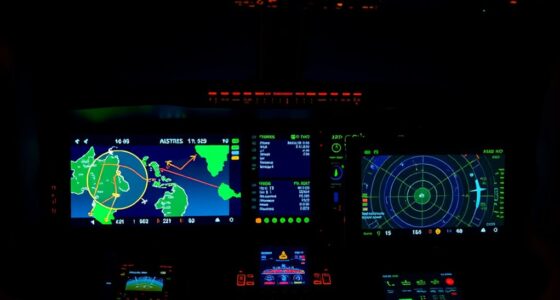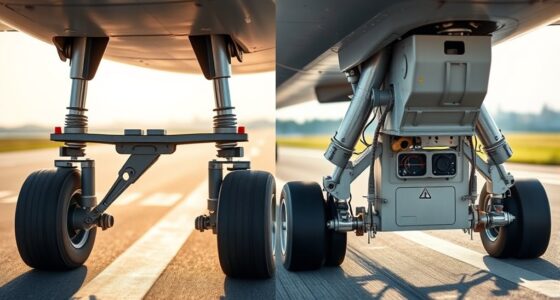
Autopilot and auto-level systems in modern gliders help you maintain steady flight paths and improve safety, especially during long or challenging conditions. These systems assist in reducing your workload by automatically correcting attitudes and stabilizing the aircraft, but they depend on accurate sensor calibration to function properly. Proper training and regular maintenance are essential to ensure safe operation. If you want to learn more about how these systems work and their benefits, keep exploring further.
Key Takeaways
- Autopilot systems in modern gliders assist pilots by maintaining steady flight paths and reducing workload during long or challenging flights.
- Auto-level systems automatically keep the glider’s attitude level, enhancing safety during turbulence or pilot disorientation.
- Proper calibration of sensors like gyroscopes and accelerometers is essential for accurate autopilot and auto-level system performance.
- Pilots must monitor autopilot indications and be prepared to manually intervene if irregularities or system errors occur.
- Regular maintenance and system checks ensure the reliability and safety of autopilot and auto-level systems in gliders.

Modern gliders are increasingly incorporating autopilot and auto-level systems to enhance safety and ease of flying. These advanced technologies are designed to assist pilots in maintaining steady flight paths, especially during long flights or challenging conditions. To guarantee these systems function correctly, proper instrument calibration is indispensable. Calibration involves adjusting the sensors and instruments so that the autopilot responds accurately to the aircraft’s attitude and position. If the instruments aren’t calibrated properly, the autopilot might make incorrect adjustments, potentially compromising safety. Consequently, before engaging autopilot or auto-level features, you should verify that all related instruments are correctly calibrated. This process includes checking gyroscopes, accelerometers, and other sensors, often during pre-flight inspections or periodic maintenance. Accurate calibration ensures the autopilot’s commands match the actual aircraft attitude, providing reliable assistance throughout your flight. Additionally, regular maintenance and inspection of these systems are crucial to prevent malfunctions and ensure optimal performance.
Getting familiar with autopilot and auto-level systems requires thorough pilot training. Modern gliders with these systems demand that pilots understand how they operate and their limitations. Training covers both the technical aspects—such as engaging, disengaging, and troubleshooting the autopilot—and practical skills like monitoring system performance during flight. You need to learn how to interpret autopilot indications and how to quickly take manual control if necessary. Training also emphasizes the importance of cross-checking instruments and understanding the feedback from these systems to maintain situational awareness. Many flight schools now include simulator sessions where pilots can practice engaging autopilot and auto-level modes in a controlled environment, helping to build confidence before real-world application.
Using autopilot and auto-level systems effectively also involves continuous monitoring. You should stay alert to any discrepancies between the autopilot’s actions and your visual or instrument references. If you notice irregularities, such as oscillations or unexpected attitude changes, you must be ready to take manual control and reassess the system. Regular maintenance and calibration are vital to prevent malfunctions and guarantee these systems support your flying rather than hinder it. Proper pilot training ensures you’re comfortable with the controls and aware of how to respond in various scenarios, making autopilot an aid rather than a complication. In the end, understanding the importance of instrument calibration and investing in thorough pilot training help you maximize the safety benefits that modern autopilot and auto-level systems provide during your glider flights. Maintaining calibration and system checks is especially critical since Kia Tuning upgrades like ECU remapping and suspension modifications can influence overall vehicle behavior, highlighting the importance of precise system calibration across different platforms.
Frequently Asked Questions
How Do Autopilot Systems Handle Turbulent Weather Conditions?
When facing weather turbulence, autopilot systems adapt by detecting changes in airflow and adjusting control surfaces automatically. You’ll notice the autopilot making subtle inputs to maintain level flight and stability, reducing your workload. These systems continuously monitor conditions and respond quickly, ensuring smoother handling despite turbulence. This adaptive behavior helps you stay focused on navigation and safety, providing a more comfortable flight experience even in challenging weather conditions.
What Are the Common Maintenance Requirements for Auto-Level Systems?
You must regularly check and calibrate the sensors to guarantee your auto-level system stays precise, especially after rough flights. Keep an eye on software updates, as these often include critical improvements and bug fixes. Neglecting maintenance can lead to system failures mid-flight, so stay vigilant. By staying proactive with calibration and updates, you’re safeguarding your glide, ensuring safety and smooth operation every time you take to the skies.
Can Autopilot Systems Be Manually Overridden During Flight?
Yes, you can manually override autopilot systems during flight. If you need to, simply take pilot intervention by disconnecting or disabling the autopilot using designated controls. This manual override allows you to regain full control of the glider quickly and safely. Always make certain you’re familiar with your specific autopilot system’s procedures for manual override, so you can respond effectively in any situation.
How Do Auto-Level Systems Integrate With Navigation Instruments?
Think of auto-level systems as the loyal compass guiding your flight. They seamlessly integrate with navigation instruments, syncing your aircraft’s attitude with course data. This coordination guarantees your flight path remains steady even when you steer off course. By linking auto-levels with instruments, you maintain precise control, allowing the autopilot to adjust attitude automatically, keeping you aligned with your planned route without manual input, much like a steady hand guiding a ship through calm waters.
What Are the Safety Protocols if Autopilot or Auto-Level Fails?
If autopilot or auto-level systems malfunction, you should immediately follow your emergency procedures, such as disengaging the system and maintaining manual control. Remember to verify system redundancy checks before flight, and if a failure occurs, rely on your skills and instruments to navigate safely. Stay calm, communicate with air traffic control if necessary, and prepare for potential manual recovery to ensure a safe outcome.
Conclusion
Think of autopilot and auto-level systems as the skilled captain guiding your sailboat through calm and stormy waters alike. They’re your steady hand when you need reassurance, quietly steering you along your flight path. With these systems, you become the seasoned navigator, trusting your onboard crew to maintain course and stability. Embrace them as your silent partners, turning complex skies into familiar seas, so you can focus on the thrill of flight with confidence and grace.