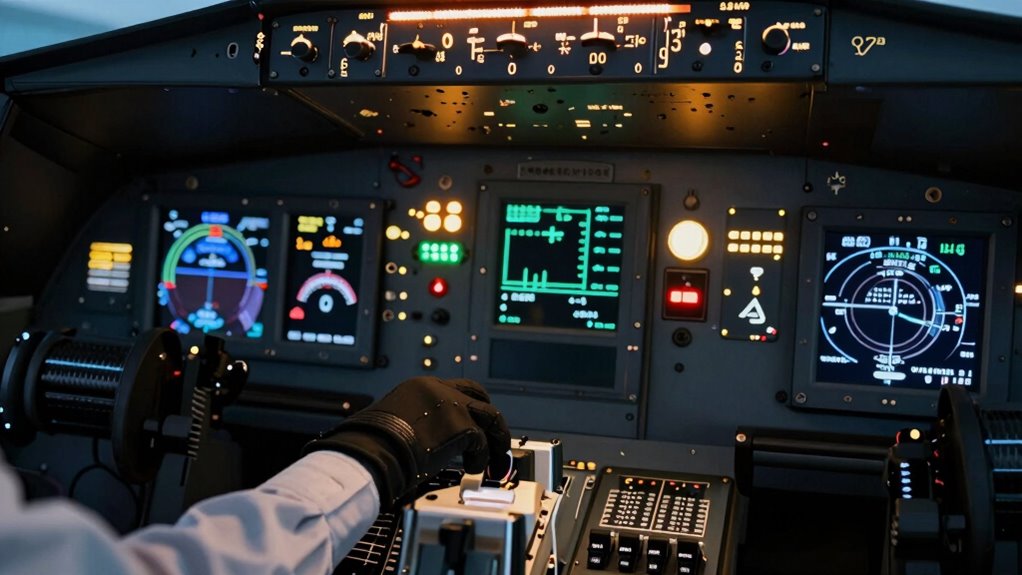

As a pilot, you need to know that backup power systems are crucial for safety and operational continuity during main power failures. They activate quickly, providing emergency power for critical instruments, navigation, and communication. Always verify these systems are operational before each flight, follow emergency protocols, and stay current on maintenance checks. Properly managing backup power ensures safe handling during failure scenarios. To deepen your understanding and ensure you’re fully prepared, there’s more to explore on this important topic.

Get travel and outdoor gear delivered free with Prime
- Fast, free delivery on millions of items
- Prime Video, Amazon Music and more included
- Member-only deals all year
Key Takeaways
- Verify backup power system status before each flight and review maintenance logs for reliability.
- Understand how backup systems activate automatically during primary power failures.
- Follow established emergency protocols for switching to and managing backup power sources.
- Conduct routine checks and maintenance to ensure backup systems function correctly in critical moments.
- Stay informed on environmental regulations and advancements affecting backup power system design and disposal.
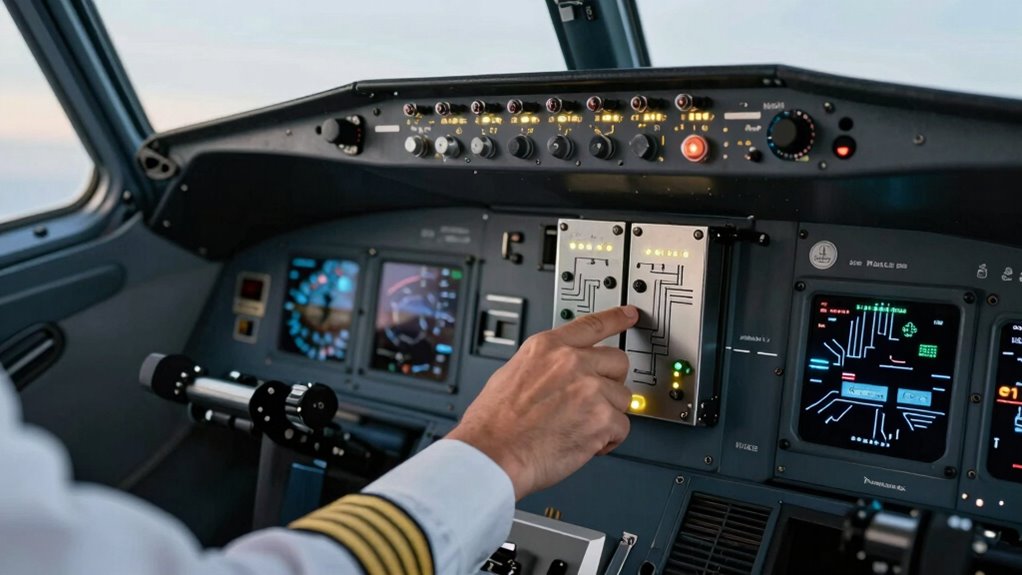
Have you ever wondered what keeps a pilot flying safely even if the main power systems fail? It’s the backup power systems that play a pivotal role in guaranteeing safety and operational continuity. These systems are designed to kick in automatically when primary power sources falter, providing essential power for critical instruments, navigation, and communication. Understanding how they work, their importance, and your responsibilities as a pilot can make a significant difference during emergencies. Backup power systems are typically composed of batteries, emergency generators, or a combination of both. They are engineered to activate seamlessly, often within seconds, so that vital systems remain operational. Familiarity with these systems isn’t just about knowing their existence; it involves understanding how they integrate into the aircraft’s overall architecture and your role in their management.
One key aspect to focus on is emergency protocols related to power failures. You need to know precisely what steps to take if primary power is lost. This includes verifying the status of backup systems, switching to alternate power sources if necessary, and maintaining situational awareness to guarantee continued safe operation. Regularly practicing these protocols during training sessions helps you respond swiftly and confidently when real emergencies occur. It’s also essential to understand the importance of system maintenance. Proper maintenance ensures backup power systems function correctly when needed. This means routine checks, testing, and adhering to manufacturer guidelines and regulatory standards. Faulty or poorly maintained backup systems can compromise safety, especially during critical phases of flight. Moreover, understanding the design and architecture of backup power systems can assist pilots in troubleshooting issues more effectively.
Awareness of Biodiversity and Sustainable Practices can influence how maintenance and disposal of backup power components are managed, promoting environmentally responsible operations. Incorporating environmentally conscious practices into maintenance routines can also contribute to the longevity and reliability of these systems. Additionally, keeping up to date with advancements in backup power technology can help pilots advocate for improved safety measures and equipment upgrades. Recognizing the impact of environmental regulations on the design and disposal of backup power components is crucial for maintaining compliance and supporting sustainable aviation practices.
As a pilot, you’re responsible for guaranteeing that backup power systems are fully operational before each flight. This involves reviewing maintenance logs, conducting pre-flight checks, and confirming that emergency protocols are current and clear. Knowing how to troubleshoot minor issues with backup systems can save valuable time and prevent escalation during an emergency. When power issues arise, your ability to quickly assess the situation and activate the appropriate backup measures is essential.
In essence, understanding backup power systems isn’t just about technical knowledge; it’s about being prepared and confident in your ability to manage power failures effectively. Regular system maintenance combined with rigorous training on emergency protocols ensures you’re ready to handle any scenario. Your vigilance and proactive approach to these systems can make all the difference, helping you keep the flight safe—even when the main power source fails.
As an affiliate, we earn on qualifying purchases.
Frequently Asked Questions
How Often Should Backup Power Systems Be Tested for Reliability?
You should test backup power systems at least monthly to guarantee reliability. Regular testing helps verify battery maintenance and confirms the power source redundancy functions correctly during emergencies. During these tests, check for proper operation, voltage levels, and any signs of wear or corrosion. Consistent testing not only maintains system readiness but also prevents unexpected failures, giving you confidence that your backup power source will function when needed most.
What Are the Signs of a Failing Backup Power System?
Think of your backup power system like a lifeboat—if it shows signs of wear, it might fail when needed most. Signs of a failing system include sluggish battery responses, frequent alarms, or inconsistent power output. Regular battery maintenance guarantees power redundancy, preventing surprises mid-flight. If you notice unusual sounds or warning lights, address them promptly, as these are early indicators your backup system may be compromised.
How Do Backup Power Systems Integrate With Aircraft Avionics?
You should understand that backup power systems integrate with aircraft avionics through dedicated circuits ensuring power redundancy. Regular battery maintenance keeps these systems reliable, preventing failures during critical moments. When primary power sources fail, backup systems activate automatically, providing continuous power to essential avionics. This seamless integration guarantees safety, allowing you to operate confidently, knowing that backup power will sustain crucial systems until normal power resumes or the aircraft lands.
Are There Any Regulatory Requirements for Backup Power Systems?
Yes, there are regulatory requirements for backup power systems. You must guarantee your aircraft’s emergency protocols include reliable power source shifts, especially during critical phases of flight. Regulations mandate that backup power systems provide essential functions if primary sources fail, ensuring safety. Regular testing and maintenance are required to verify system integrity, enabling you to confidently perform power source transitions and maintain control during emergencies.
What Are the Common Causes of Backup Power System Failures?
Backup power system failures often happen due to overlooked battery maintenance, which can lead to degraded performance or complete failure. Power redundancy issues also contribute, especially if backup systems aren’t properly tested or maintained. You should regularly inspect batteries, guarantee proper charging, and verify redundancy protocols. Staying proactive with maintenance minimizes risks, ensuring backup power remains reliable during emergencies, and keeps your aircraft’s safety standards intact.
Conclusion
Remember, just like Atlas holding up the sky, your awareness of backup power systems keeps your flight grounded in safety. When the unexpected happens, your knowledge acts as a sturdy shield against chaos, ensuring smooth skies ahead. Trust in these systems as a sailor trusts the lighthouse—guiding and protecting through the storm. Stay vigilant, and let your understanding be the steady hand steering you through any darkness that comes your way.
Halloween Picks
halloween
As an affiliate, we earn on qualifying purchases.