
In electric aviation, battery management is essential because it keeps your aircraft safe, reliable, and efficient. You need to monitor parameters like voltage, temperature, and charge to prevent overheating, fires, or failures. Proper management guarantees each cell operates within safe limits and extends battery lifespan. Without it, you risk catastrophic malfunctions that could endanger lives. Stay with us to discover how advanced battery systems and infrastructure are shaping the future of safe electric flight.

Get travel and outdoor gear delivered free — and shop member deals
- Fast, free delivery on millions of items
- Access to Prime Big Deal Days deals on October 6–7
- Prime Video, Amazon Music and more included
Key Takeaways
- Ensures safety by monitoring cell parameters to prevent overheating, fires, and catastrophic failures in flight.
- Maintains battery health and longevity, crucial for the reliability of electric aircraft.
- Prevents uneven charging and discharging that can compromise flight stability and safety.
- Supports rapid, safe recharging to meet operational demands and reduce turnaround times.
- Enhances overall aircraft safety and performance, critical for broader adoption of electric aviation.
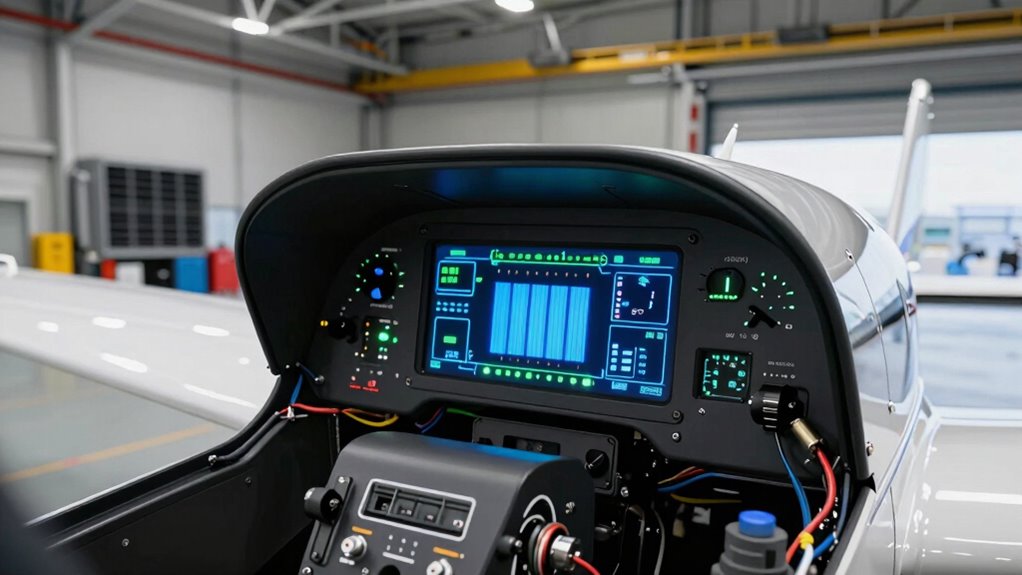
Have you ever wondered how electric aircraft keep their batteries safe and efficient during flight? The answer lies in meticulous battery management, a essential factor that influences safety, performance, and reliability. Unlike traditional fuel sources, batteries in electric aircraft store large amounts of energy that must be carefully monitored. Battery safety becomes paramount because any malfunction or mismanagement could lead to overheating, fires, or even catastrophic failure. To prevent such risks, advanced battery management systems (BMS) continuously track parameters like voltage, current, temperature, and state of charge. They guarantee each cell operates within safe limits, detect potential issues early, and balance the cells to prevent overcharging or deep discharging. This constant oversight is indispensable to maintain the integrity of the battery pack throughout the flight, especially during dynamic flying conditions where stresses on the system fluctuate rapidly. Additionally, robust battery safety protocols are crucial for managing risks and ensuring the longevity of the battery pack.
The importance of robust charging infrastructure cannot be overstated when it comes to electric aviation. Efficient and reliable charging stations are necessary not only for routine top-ups but also for making sure batteries are charged safely and effectively before flights. Proper charging infrastructure minimizes risks associated with improper charging practices, such as overvoltage or overheating, which could compromise battery safety. It also ensures that aircraft can quickly recharge between flights, supporting the practical use of electric planes in commercial and regional aviation. As the industry advances, the development of high-capacity, fast-charging stations becomes essential to reducing turnaround times and increasing operational efficiency. These stations need to be equipped with their own safety measures, including temperature regulation and emergency shutoff systems, to prevent accidents during charging.
You should understand that effective battery management in electric aviation involves a combination of sophisticated onboard systems and reliable charging infrastructure. These elements work together to keep batteries operating safely and maximize their lifespan. When you’re flying in an electric aircraft, the unseen but indispensable role of battery management ensures your journey is not just eco-friendly but also safe and dependable. As technology evolves, improvements in BMS and charging infrastructure will continue to make electric aviation safer, more efficient, and more accessible. This ongoing focus on battery safety and infrastructure development is what will ultimately drive adoption of electric planes and transform the future of flight.
electric aircraft battery management system
As an affiliate, we earn on qualifying purchases.
As an affiliate, we earn on qualifying purchases.
Frequently Asked Questions
How Does Battery Management Impact Aircraft Safety During Flight?
You impact aircraft safety during flight by effectively managing the battery, preventing issues like overheating. Proper management guarantees the battery stays within safe temperature ranges, reducing the risk of fire or failure. You also monitor flight data to detect any irregularities early, allowing timely adjustments. This proactive approach helps maintain peak performance, keeps passengers safe, and ensures the aircraft operates smoothly throughout the journey.
What Are the Latest Advancements in Battery Monitoring Technology?
Imagine a sleek aircraft gliding smoothly, thanks to cutting-edge battery monitoring tech. The latest advancements focus on real-time data for battery health and smarter charging protocols. You benefit from systems that precisely track voltage, temperature, and capacity, preventing failures. These innovations guarantee safer, more reliable flights by optimizing battery performance, extending lifespan, and reducing risks during charging and operation—making electric aviation not just efficient but safer too.
How Do Extreme Weather Conditions Affect Battery Performance?
Extreme weather conditions can substantially impact your battery’s performance, especially in electric aviation. You need to prioritize weather resilience and thermal regulation to keep batteries functioning ideally. Cold temperatures can reduce capacity, while heat can cause overheating. Proper thermal regulation helps maintain consistent temperature levels, ensuring safe, reliable operation. By managing these factors, you minimize risks and extend your battery’s lifespan, even in challenging weather conditions.
What Training Is Required for Personnel Managing Aviation Batteries?
You need specialized personnel training focused on battery safety to effectively manage aviation batteries. This training covers proper handling, emergency procedures, and risk mitigation. You’ll learn how to inspect for damage, monitor battery health, and prevent thermal runaway. Ensuring your team understands these safety protocols helps maintain the most favorable battery performance, reduces hazards, and keeps operations secure, making personnel training an essential part of effective battery management in electric aviation.
How Is Battery Life Cycle Assessed in Electric Aircraft?
Think of your aircraft’s battery as a living story, with each charge and discharge marking a chapter. You assess its lifecycle by conducting lifecycle analysis, tracking battery degradation over time. By monitoring parameters like capacity loss and internal resistance, you can predict remaining useful life, ensuring safety and efficiency. This proactive approach helps you make informed decisions about maintenance, replacements, and optimizing performance throughout the battery’s journey.
Conclusion
In electric aviation, good battery management is the backbone of safe, efficient flights. You need to stay on top of battery health, charging, and safety protocols, or risk flying blind. Think of it as tending a garden—neglect it, and your progress withers. By prioritizing battery management, you’re not just keeping the aircraft airborne; you’re paving the way for a cleaner, smarter future in the skies. After all, a chain is only as strong as its weakest link.
Halloween Picks
halloween
As an affiliate, we earn on qualifying purchases.