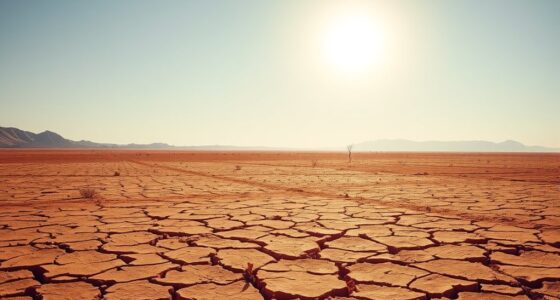

Climate change is making soaring more unpredictable as warmer atmospheres weaken and shift thermal updrafts. You may find thermals less stable and harder to locate, requiring more precise flying skills. Increased turbulence can disrupt smooth flight and reduce control. To adapt, you’ll need to rely on new techniques and improved equipment. If you keep exploring, you’ll discover how pilots are adjusting their strategies to navigate these changing atmospheric patterns with greater confidence.

Get travel and outdoor gear delivered free with Prime
- Fast, free delivery on millions of items
- Prime Video, Amazon Music and more included
- Member-only deals all year
Key Takeaways
- Warmer atmospheres lead to less predictable thermal updrafts, complicating thermal soaring for pilots.
- Rising temperatures weaken or shift the location and strength of thermal columns, affecting lift availability.
- Increased turbulence from climate change disrupts stable flight conditions and reduces overall flight safety.
- Changing atmospheric dynamics demand new flying techniques and adaptive planning for soaring activities.
- Advanced climate-resilient equipment and technology help mitigate the impacts of shifting thermal and aerodynamic patterns.
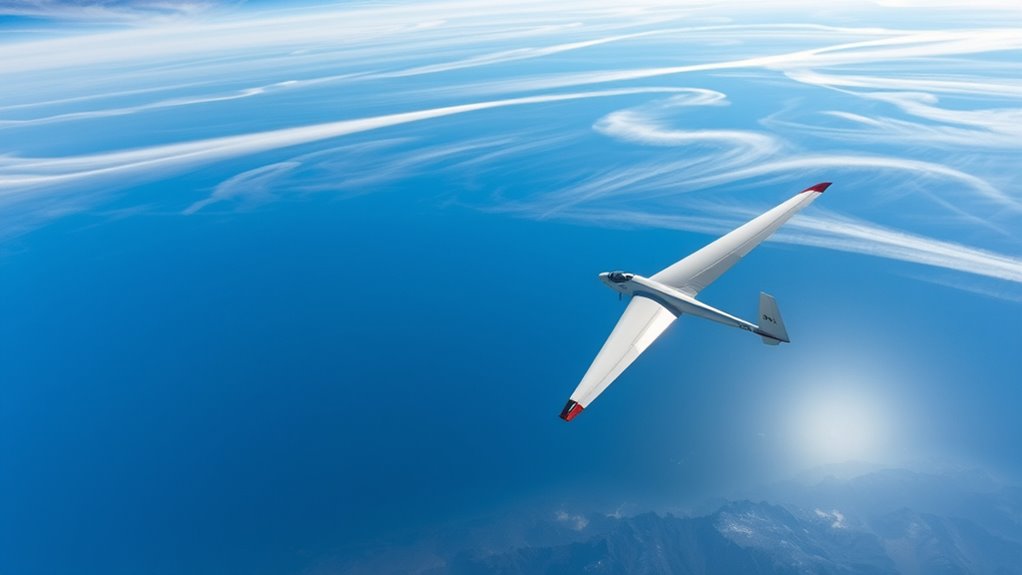
Have you noticed how the climate is changing faster than ever? This shift isn’t just a distant problem; it directly affects your experience with soaring. When the atmosphere warms, it alters the way gliders perform, especially through changes in glider aerodynamics and thermal dynamics. These factors are vital for pilots, and understanding them becomes more important as climate patterns shift.
In warmer atmospheres, the behavior of thermal updrafts changes markedly. Normally, thermal columns form when the sun heats the ground, causing warm air to rise and creating lift for gliders. But with rising temperatures, these thermals can become less predictable. The differential heating that fuels updrafts may weaken or shift in location, making it harder to find consistent lift. As a pilot, you might find yourself flying through less stable thermals or having to adjust your approach to thermal soaring. The thermal dynamics of the atmosphere become more complex as temperature gradients flatten, reducing the strength and frequency of thermal columns.
Warmer atmospheres weaken and shift thermal updrafts, making lift less predictable for glider pilots.
This changing thermal behavior directly impacts glider aerodynamics. When thermals are weaker or more sporadic, your glider relies more heavily on dynamic soaring techniques or must stay closer to the ground where lift is more reliable. The efficiency of your glide depends on how well you can exploit these thermal currents, and if those currents are less predictable due to climate change, your flights can become more challenging. You might need to adapt your flying style, focusing on precision and quick responses to shifting thermal patterns.
Furthermore, warmer air can lead to increased turbulence, which complicates your control of the glider. Turbulence disrupts smooth airflow over the wings, affecting lift and drag. As the atmosphere becomes more unstable with higher temperatures, your ability to maintain steady flight diminishes. You’ll need to pay closer attention to weather reports and thermal cues, honing your skills to navigate these unpredictable conditions. Additionally, the use of modern heat pumps and other climate-resilient equipment in aviation facilities can help mitigate some environmental impacts, ensuring better comfort and safety for pilots and crew.
Frequently Asked Questions
How Does Climate Change Affect the Safety of Soaring Activities?
Climate change makes soaring less safe by increasing wind variability and decreasing thermal stability. You might encounter unpredictable winds, which can cause turbulence or sudden shifts, making navigation harder. Warmer temperatures also disrupt normal thermal patterns, reducing lift opportunities and increasing the risk of unexpected weather changes. Staying aware of these shifts and adjusting your flying strategies can help you stay safe despite these evolving atmospheric conditions.
Are There Regions Becoming More Suitable for Soaring Due to Climate Shifts?
Yes, you might find some regions becoming more suitable for soaring due to climate shifts. Regional shifts can create new thermal dynamics, producing stronger or more consistent thermals that benefit pilots. As temperatures rise, certain areas may experience improved soaring conditions, especially where warming enhances thermal activity. Keep an eye on changing weather patterns and regional climate trends; they can open up new opportunities for soaring adventures.
What Technological Advancements Can Mitigate Climate Impacts on Soaring?
You can mitigate climate impacts on soaring by using innovative sensors that monitor atmospheric conditions in real-time, helping you identify ideal flying zones. AI forecasting tools analyze weather patterns and predict thermal activity, giving you an advantage in planning your flights. These technologies enhance safety and performance, allowing you to adapt quickly to changing climates and maximize soaring opportunities despite environmental challenges.
How Do Changing Weather Patterns Influence Soaring Event Planning?
Weather patterns now challenge your soaring event planning with unpredictable wind variability and shifting conditions. You must rely on advanced weather forecasting to adapt quickly, choosing ideal days for soaring. While forecasts improve, the unpredictability can still disrupt schedules. To succeed, stay flexible and monitor real-time data, ensuring you capitalize on the best conditions and minimize risks, turning weather challenges into opportunities for skillful planning.
Can Soaring Help Track Climate Change Effects in Real-Time?
Yes, soaring can help track climate change effects in real-time. As you fly, you gather valuable climate indicators like temperature shifts and atmospheric stability. These observations contribute to atmospheric monitoring, offering insights into changing weather patterns. By documenting these patterns during soaring events, you can provide essential data that enhances understanding of climate change impacts, making your flights a valuable tool in environmental research and climate tracking efforts.
Conclusion
So, if you think climate change is just a minor inconvenience, think again. It’s transforming your skies into a domain of chaos, where soaring becomes an unpredictable battle against nature’s fury. Warmer atmospheres and shifting patterns are rewriting the rules faster than you can blink, threatening the very essence of flight. Unless you act now, you might find yourself grounded in a world where the skies are no longer a safe haven but a battleground of climate’s unstoppable power.
Fall Picks
fall essentials
As an affiliate, we earn on qualifying purchases.