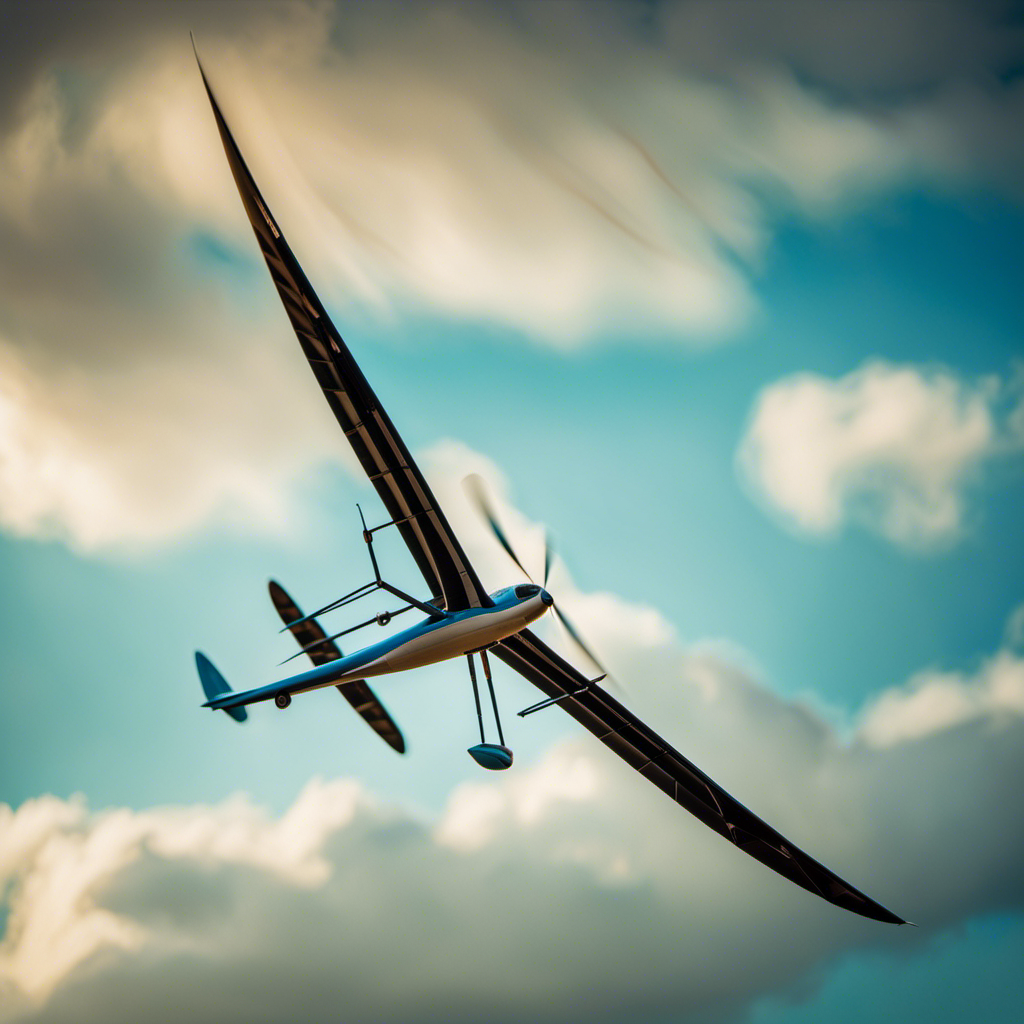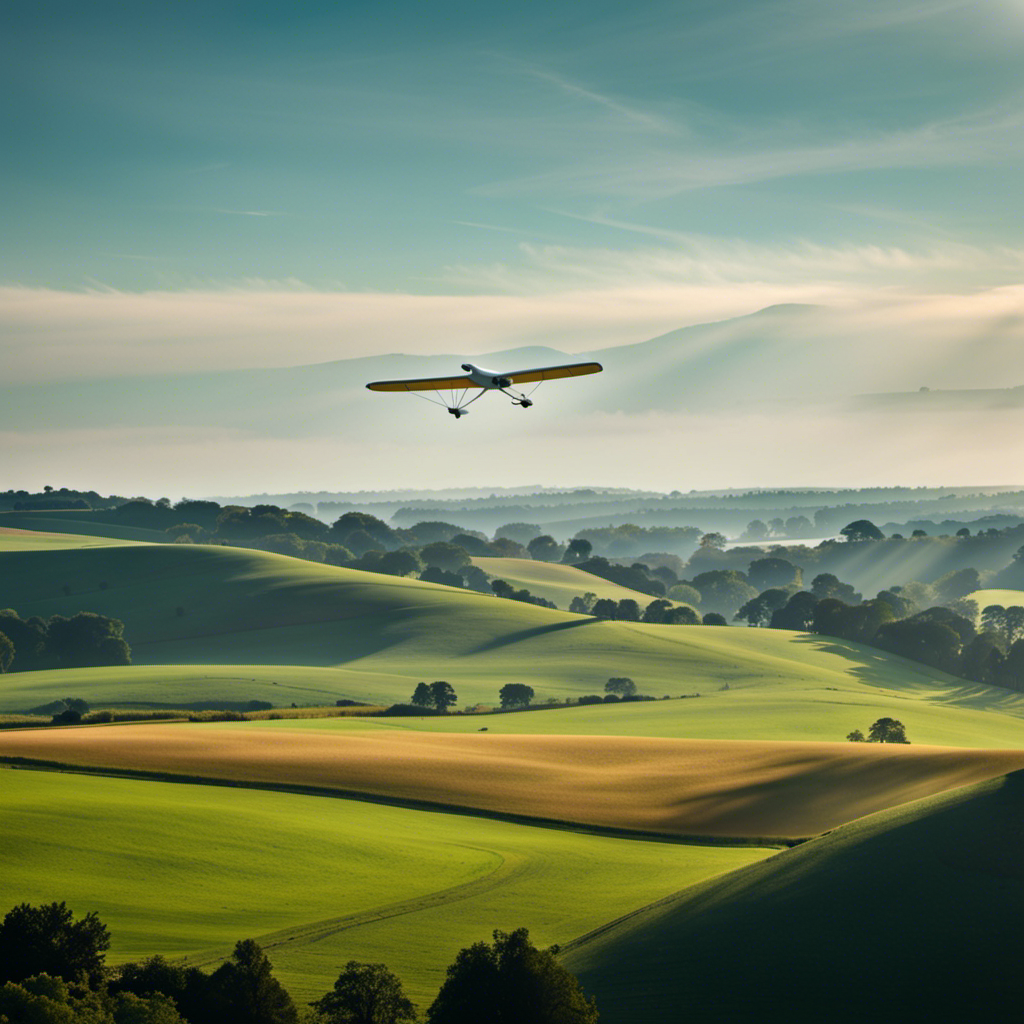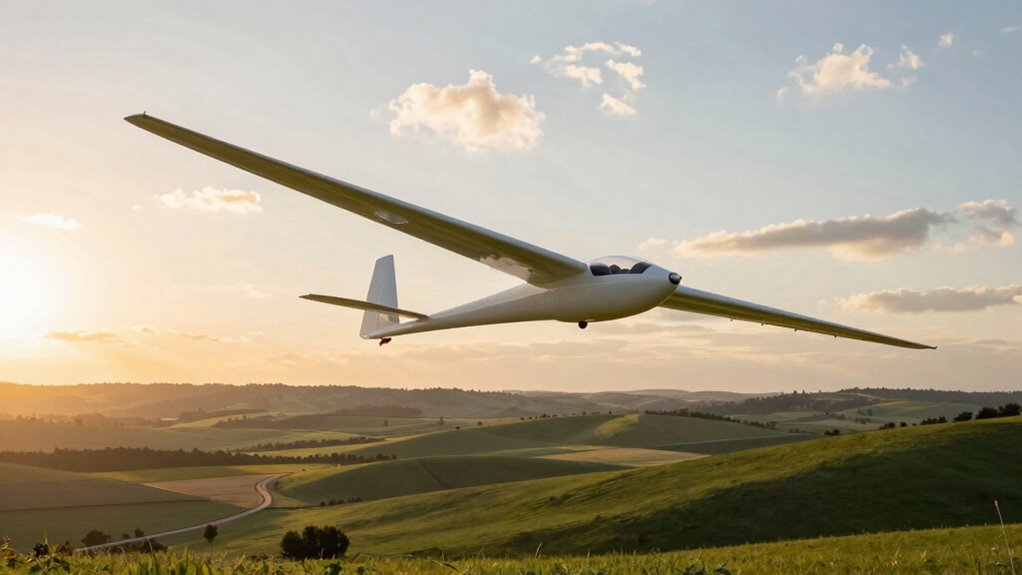

Your first season in gliding teaches you essential lessons about safety, weather awareness, and resilience. You quickly learn the importance of thorough pre-flight checks, understanding aircraft limits, and staying vigilant to avoid accidents. Recognizing weather patterns like thermals and cloud formations boosts your confidence and planning skills. Patience and adaptability become crucial as you adjust to changing conditions. Keep exploring these lessons, and you’ll discover even deeper insights into the art of soaring.

Get travel and outdoor gear delivered free with Prime
- Fast, free delivery on millions of items
- Prime Video, Amazon Music and more included
- Member-only deals all year
Key Takeaways
- The importance of thorough safety checks and understanding aircraft limitations for secure flying.
- Recognizing weather patterns and thermal cues is crucial for effective flight planning.
- Patience and adaptability are essential when weather conditions are unpredictable.
- Vigilance and continuous learning improve safety, skill, and confidence in gliding.
- Resilience and humility develop through adjusting plans and managing changing atmospheric conditions.

Starting your first season in gliding can be both exciting and challenging. As you take to the skies in a sleek glider, you’re quickly learning that aviation safety isn’t just a guideline—it’s a crucial part of every flight. Your first season teaches you to develop a deep respect for the safety protocols that keep you secure while airborne. You learn to perform thorough pre-flight checks, understand aircraft limitations, and stay alert to potential risks. Safety isn’t about fear; it’s about preparation, awareness, and making smart decisions. This foundation becomes more evident as you gain experience, and you’ll realize that cautious flying enhances your confidence and enjoyment.
Weather patterns are another critical lesson your first season in gliding imparts. Unlike powered aircraft, gliders rely heavily on natural lift and weather conditions. You soon discover that understanding weather is essential for safe and successful flights. You start to notice how thermal currents, wind direction, and cloud formations influence your ability to stay aloft. You learn to read the sky—spotting cumulus clouds that signal rising warm air or identifying signs of changing weather that could turn unfavorable. Recognizing these patterns helps you plan your flights better, avoid dangerous conditions, and make the most of the soaring opportunities. Weather awareness becomes second nature, and it’s a skill that improves with every flight. Developing a good understanding of aviation safety and weather cues can significantly increase your confidence in the cockpit. Additionally, understanding weather patterns is key to maximizing your flying experience while maintaining safety. Embracing a comprehensive weather awareness approach can also help you better anticipate how changing atmospheric conditions will influence your flight. Incorporating up-to-date weather forecasting tools into your planning can provide more accurate insights and help you make informed decisions before each flight.
Throughout your first season, you’ll find that patience and adaptability are key. Weather doesn’t always cooperate, and sometimes you must wait for the right conditions or alter your plans. This teaches resilience and humility, reminding you that flying is as much about respecting nature as it is about mastering your aircraft. As you log more hours, you’ll start to anticipate how different weather patterns affect flight, giving you a sense of mastery and confidence. These lessons in aviation safety and weather patterns are foundational, shaping you into a more competent and responsible pilot.
Most importantly, your first season in gliding teaches you to trust your training, stay vigilant, and keep learning. Every flight is an opportunity to refine your understanding of safety procedures and weather cues. Over time, you’ll realize that these lessons aren’t just about flying; they’re about becoming a safer, more aware, and more confident pilot. And as you progress, you’ll see that the sky isn’t just a challenge—it’s a world of endless learning and discovery.
glider pre-flight safety check kit
As an affiliate, we earn on qualifying purchases.
As an affiliate, we earn on qualifying purchases.
Frequently Asked Questions
How Do I Stay Safe During My First Glide?
To stay safe during your first glide, focus on understanding aerodynamic principles and listening to your instructor’s guidance. Keep your attention on the controls, avoid sudden movements, and stay aware of weather conditions. Always be prepared for emergency procedures, knowing how to respond calmly if something goes wrong. Trust your training, communicate clearly with your instructor, and remember that safety always comes first to guarantee a smooth, enjoyable experience.
What Should I Wear for My Initial Flights?
Your first glide is like stepping into a gentle storm—dress for comfort and safety. Wear layered, close-fitting clothing, sturdy shoes, and a helmet. Remember, proper gloves and sunglasses protect you from the elements. Before flying, check glider maintenance and flight planning to make certain everything’s secure. Think of your outfit as your armor, enabling you to focus on soaring while staying safe and prepared for the sky’s unpredictable dance.
How Do I Handle Unexpected Weather Changes?
When unexpected weather changes occur, rely on weather forecasting updates and trust your instructor’s guidance. If conditions worsen, follow emergency procedures promptly—such as descending to safer altitudes or landing nearby. Stay alert to weather shifts during your flight, communicate clearly with your pilot, and don’t hesitate to make conservative decisions. Managing these situations confidently guarantees your safety and enhances your gliding experience.
What Equipment Is Essential for Beginners?
Starting gliding, you’ll want essential equipment like a sturdy helmet, a reliable variometer, and appropriate clothing. Think of your gear as your safety net—if one piece falters, your entire flight’s at risk. Mastering gliding techniques relies on equipment maintenance, ensuring everything functions smoothly. I once saw a novice pilot check his gear meticulously before flight, highlighting how proper equipment keeps you confident and safe as you navigate the skies.
How Long Does It Take to Become Confident in Gliding?
It typically takes several flights and consistent practice to feel confident in gliding. As you focus on mastering basic gliding techniques and completing pilot training, your skills improve steadily. You’ll gain better control and understanding of the craft, boosting your confidence with each flight. Remember, patience is key—every pilot’s journey is unique, but with dedication, you’ll find yourself more comfortable and confident in the air over time.
Conclusion
So, after your first season in gliding, you might think you’ve learned it all—how to read the skies, master the thermals, and handle the glider. But the irony is, the more you discover, the more you realize how little you truly know. Every flight teaches you humility and patience, reminding you that the sky’s mysteries are endless. Embrace it. After all, the most important lesson is knowing there’s always more to learn, up there.
Halloween Picks
halloween
As an affiliate, we earn on qualifying purchases.