
Glide management is more important than climb rate because it directly influences your safety and overall efficiency during flight. Focusing only on climb rate ignores how well you are conserving and using your energy, especially when exploiting thermals and natural lift sources. Good glide management helps you extend your glide distance and respond better to changing conditions. If you want to understand how controlling your glide path can turn safety into an advantage, keep exploring these concepts further.

Get travel and outdoor gear delivered free with Prime
- Fast, free delivery on millions of items
- Prime Video, Amazon Music and more included
- Member-only deals all year
Key Takeaways
- Glide management reflects overall energy control, ensuring safety and efficiency beyond just measuring climb rate.
- Proper glide strategy utilizes natural lift sources, extending flight endurance without relying solely on climb performance.
- Focusing on glide efficiency improves navigation, safety margins, and response to changing weather conditions.
- Climb rate is a momentary snapshot; glide management emphasizes sustained energy conservation during the entire flight.
- Effective glide control reduces fuel consumption and risk, turning risky glides into strategic, safe maneuvers.
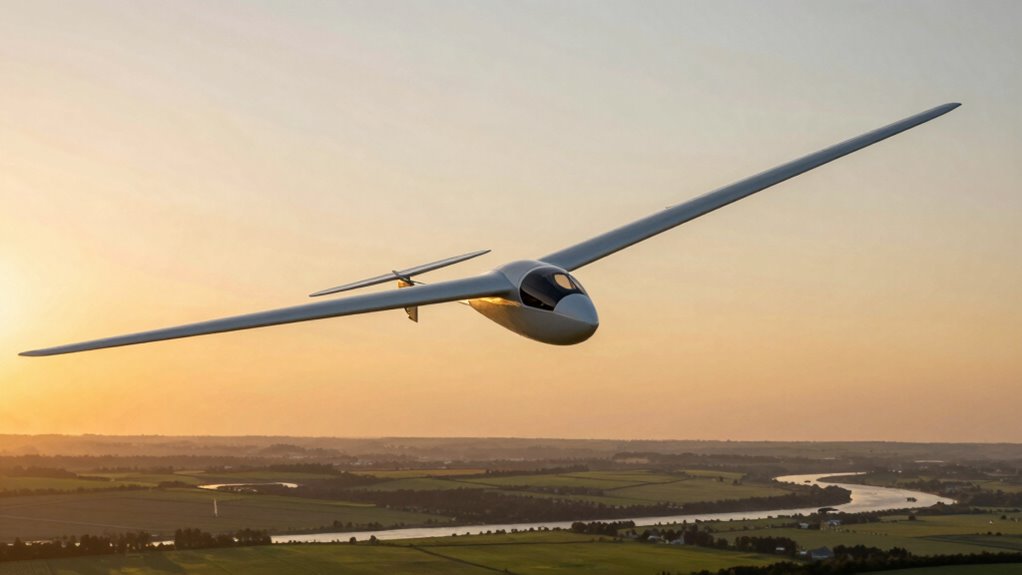
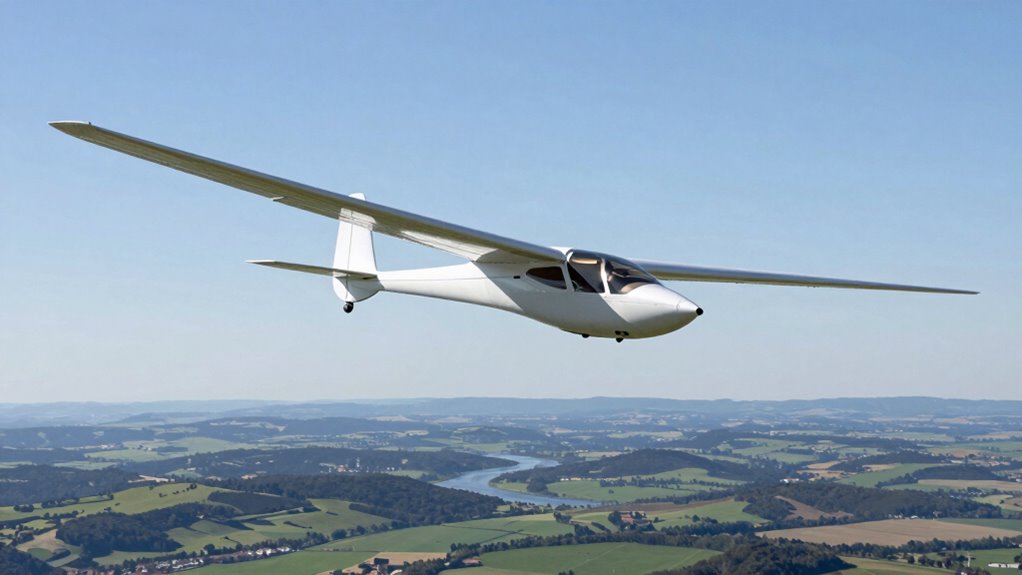
While climb rate often grabs attention in aviation discussions, it’s actually glide management that has a more significant impact on your safety and efficiency. When you’re flying, focusing solely on how quickly you can climb misses the bigger picture—especially when it comes to how effectively you manage your glide. Glide management isn’t just about covering distance; it’s about how well you utilize available energy, particularly through thermal utilization, and how you conserve that energy for the best possible outcome.
Thermal utilization plays a crucial role in glide efficiency. When you’re in a thermal, you can gain altitude or at least extend your glide path without losing energy. Recognizing and exploiting these rising air currents allows you to conserve fuel and avoid unnecessary power adjustments. Instead of constantly fighting gravity, you leverage natural lift sources, which means you can glide farther and safer with less engine effort. Proper thermal utilization transforms a simple glide into a strategic maneuver—maximizing your energy conservation and reducing the stress on your aircraft’s systems. Understanding the aerodynamic principles behind thermal lift can further improve your ability to identify and use these sources effectively. Additionally, developing an awareness of environmental cues can help you anticipate where thermal sources are likely to form, enhancing your glide strategy. Recognizing these cues can be enhanced by understanding meteorological conditions, which influence thermal development and lift potential.
Utilizing thermals extends your glide, conserves fuel, and turns a simple descent into a strategic, energy-efficient maneuver.
Energy conservation is at the heart of good glide management. Every time you push against the limits of your aircraft’s glide ratio, you risk depleting your energy reserves too quickly. Instead, you should aim to maintain a steady, controlled glide, adjusting your pitch and speed to keep your energy levels stable. This approach ensures that you have enough altitude and momentum to reach a safe landing area or to find rising air. Good glide management emphasizes smooth, deliberate control rather than aggressive climbs or descents, which can lead to unnecessary energy loss. When you conserve energy effectively, you’re better prepared to respond to unexpected changes in weather or terrain, enhancing your safety margins. Additionally, understanding how to manage your glide path can help you make more informed decisions during flight, especially in challenging conditions. Developing this skill also involves understanding how to identify thermal sources and use them effectively to extend your glide.
Focusing on glide management also means you’re less likely to rely solely on climb rate to dictate your flying strategy. Climb rate is a snapshot of performance at a specific moment, but it doesn’t reflect how well you’re managing your energy over time. By prioritizing glide efficiency through thermal utilization and energy conservation, you extend your endurance and increase your chances of successful navigation, especially in uncertain conditions. Ultimately, mastering glide management helps you become a smarter pilot—more responsive to environmental cues and better equipped to handle emergencies. It’s a skill that turns a potentially risky glide into a controlled, strategic maneuver, making your flight safer and more efficient in the long run.
glide ratio calculator for gliders
As an affiliate, we earn on qualifying purchases.
As an affiliate, we earn on qualifying purchases.
Frequently Asked Questions
How Does Glide Management Impact Overall Flight Safety?
Good glide management directly affects your overall flight safety by optimizing fuel efficiency and maintaining aerodynamic balance. When you manage your glide path well, you reduce the risk of unexpected altitude loss or fuel exhaustion, especially during critical phases like engine failure. This careful control helps you stay prepared for emergency situations, ensuring safer landings and smoother flights, ultimately protecting yourself and your passengers.
What Are Common Mistakes Pilots Make With Glide Management?
You often overlook how vital cockpit awareness is, leading to common glide management mistakes. You might forget to adjust your descent rate or misjudge your glide ratio, risking fuel inefficiency and unsafe situations. Relying too heavily on climb rate alone can obscure real-time conditions. To improve, stay vigilant, monitor your glide path constantly, and make deliberate adjustments. This awareness helps you optimize fuel use and guarantees safer, more efficient flights.
Can Glide Management Improve Emergency Landing Outcomes?
Yes, glide management can notably improve emergency landing outcomes. During emergencies, you should focus on maintaining ideal glide speed to extend your range and conserve fuel. Proper glide management helps you stay in control, making safe emergency procedures more achievable. By prioritizing fuel conservation and managing your glide path carefully, you increase your chances of reaching a suitable landing site, reducing risks and enhancing safety during critical moments.
How Does Weather Affect Glide Management Strategies?
Weather is like the ocean’s tide, constantly shifting and influencing your glide. You must adapt your strategy to weather patterns, which can vary unexpectedly. Strong headwinds or turbulence demand careful altitude adjustments to maintain control and extend your glide. By understanding these conditions, you can better manage your descent, ensuring safer landings. Flexibility in response to weather changes keeps your glide smooth and your options open, even in unpredictable skies.
What Training Techniques Enhance Glide Management Skills?
To enhance your glide management skills, focus on practicing precise altitude control and fuel efficiency techniques. Use simulated flights to refine your ability to adjust power and pitch seamlessly, conserving altitude and extending glide distance. Incorporate drills that challenge you to manage energy efficiently, especially in varying weather conditions. Consistent practice builds intuition for balancing altitude control with fuel consumption, ultimately improving your overall glide performance and safety during real flights.
Conclusion
Remember, mastering glide management can make the difference between staying aloft and coming down early. While climb rate is impressive, it’s your ability to control your glide that truly determines your endurance and success in the air. Studies show that pilots who focus on glide efficiency improve their flight time by up to 30%. So, prioritize smooth, strategic glide control—it’s the key to soaring longer and reaching your goals more reliably.
Halloween Picks
halloween
As an affiliate, we earn on qualifying purchases.