
Many myths about gliding aren’t true. You don’t need to be an expert—beginner-friendly programs make it accessible for everyone. It’s also much safer than you might think, with proper gear and supervision. Expensive equipment isn’t required—you can start with basic gear included in lessons. Weather influences safety, but calm days are ideal. Plus, gliding communities connect enthusiasts, making it less lonely. Keep exploring to discover how these misconceptions are actually myths.
Key Takeaways
- Gliding is accessible for beginners, with modern instruction and safety measures designed for new pilots.
- The sport’s safety has improved significantly, making it safe with proper training and equipment.
- You don’t need expensive gear; beginner lessons provide all necessary equipment for free or at low cost.
- Gliding is weather-dependent, requiring calm, stable conditions for safe and enjoyable flights.
- It’s a social sport with active communities, clubs, and events that foster connection and shared experiences.
Gliding Is Only for Expert Pilots

Many people assume that gliding is only for highly experienced pilots, but that’s a misconception. While pilot training is essential, modern gliding clubs and instructors design programs to help beginners learn safely. You don’t need to be an expert to start; basic instruction covers handling the glider, understanding weather, and emergency procedures. Safety measures are a top priority, with pre-flight checks and supervised flying to minimize risks. Equipment is also built with safety in mind, making it accessible for newcomers. As long as you follow proper pilot training and adhere to safety guidelines, you can enjoy gliding without being a seasoned pilot. The sport is designed to be approachable, letting you experience the thrill of flight safely from the very beginning. Additionally, certified instructors ensure that all safety protocols are followed, further reducing risks for new pilots.
It’s Too Dangerous for the Average Person

While it’s common to worry that gliding might be too dangerous for the average person, modern safety measures have made the sport much safer than many think. With proper safety gear, such as helmets and harnesses, your risk of injury is markedly reduced. Additionally, beginner training programs emphasize safety protocols and gradual skill development, ensuring you learn how to handle the glider confidently. Instructors closely supervise all flights, and strict regulations are in place to maintain safety standards. Most accidents happen due to neglect or lack of preparation, not the sport itself. When you follow safety guidelines and start with professional guidance, gliding becomes a thrilling yet safe activity accessible to anyone willing to learn. Proper safety precautions are essential in minimizing risks and ensuring an enjoyable experience for all participants.
You Need Special, Expensive Equipment to Glide

You don’t need to invest in costly, specialized equipment to start gliding. Many beginner lessons include all the necessary gliding gear, so you can focus on learning without breaking the bank. The right equipment doesn’t have to be expensive or complicated—simple gear and guidance are enough to get you started. Remember, the thrill of gliding is accessible to everyone, regardless of equipment costs. Emphasizing personal and community resilience can help you prepare effectively for unexpected challenges in your gliding adventures.
Gliding Isn’t Suitable for All Weather Conditions

Gliding performance heavily depends on weather conditions, making it unsuitable for certain environments. Poor weather safety, such as strong winds, storms, or low visibility, can considerably affect your safety and flying experience. Calm, stable conditions are essential for safe and enjoyable gliding. While equipment versatility allows pilots to adapt to some changes, it doesn’t eliminate the risks posed by adverse weather. Not all weather is suitable for gliding, and attempting to fly in unsuitable conditions can lead to dangerous situations. Always check the forecast and heed safety advisories before heading out. Recognizing these limitations ensures you prioritize safety and make informed decisions, rather than risking your safety just because the weather seems manageable. Additionally, understanding weather-dependent performance helps pilots better assess when conditions are truly unsafe for flying.
It’s a Very Isolated and Lonely Sport
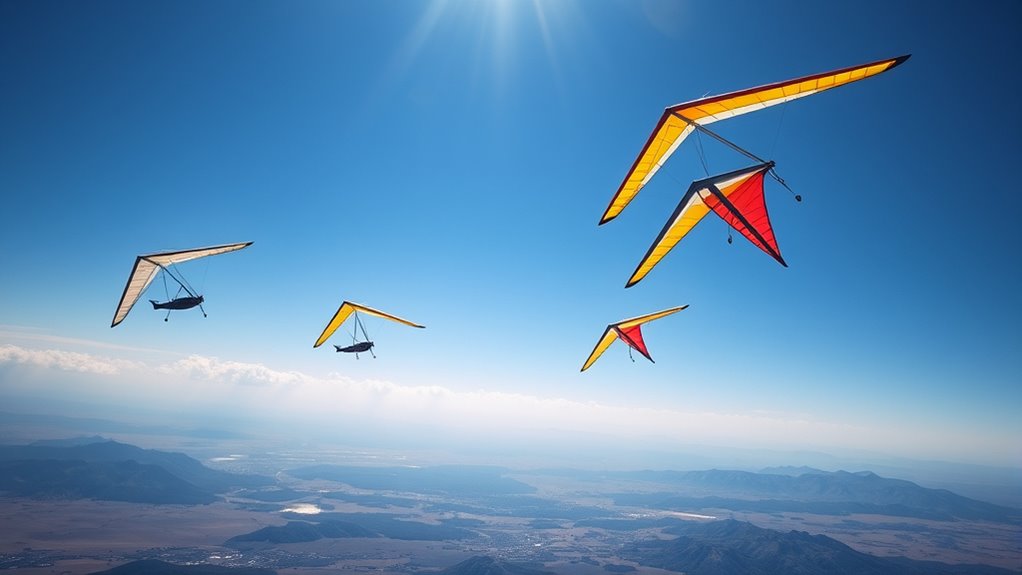
Despite the camaraderie among glider enthusiasts, the sport often feels isolating because many flights take place in remote, quiet locations far from crowds. However, this solitude doesn’t mean you’re disconnected. Gliding communities actively promote engagement through clubs, events, and online forums, fostering strong social connections among pilots. Many pilots find that sharing experiences, tips, and achievements strengthens bonds beyond the cockpit. Local clubs organize social gatherings, competitions, and training sessions, creating opportunities for community engagement. These activities help combat loneliness and turn solo flights into shared adventures. While the sport involves solitude at altitude, the support network on the ground is vibrant, welcoming, and dedicated to connecting pilots. Additionally, digital literacy, such as online forums and social media groups, enhances communication and community building among glider pilots. So, gliding isn’t as isolated as it might seem—community is always just a conversation away.
Frequently Asked Questions
Can Beginners Safely Learn to Glide Without Prior Aviation Experience?
Yes, beginners can safely learn to glide without prior aviation experience. With proper beginner training, you’ll understand essential skills and safety procedures. Pre-flight requirements are straightforward and designed to guarantee your safety, including medical checks and basic training sessions. Instructors guide you step-by-step, making the learning process accessible. As long as you follow the rules and listen to your instructor, you’ll have a safe and enjoyable gliding experience.
What Safety Measures Are in Place for Amateur Gliders?
You should know that amateur gliders follow strict safety protocols to make certain your safety. Before flying, instructors review emergency procedures with you, so you’re prepared for unexpected situations. Regular equipment checks and safety briefings are standard, and you’re always supervised by experienced professionals. These measures help prevent accidents and give you confidence, making gliding a safer experience for beginners like you.
Are There Age Restrictions for Those Interested in Gliding?
Imagine you’re 16 and enthusiastic to glide, but you wonder about age restrictions. Typically, gliding schools set age limits, often requiring participants to be at least 14 or 16, depending on local rules. Insurance requirements also play a role in ensuring safety. You should check the specific regulations of your chosen school, but generally, as long as you meet age and insurance criteria, you’re good to go.
How Accessible Are Gliding Lessons for People With Disabilities?
Gliding lessons are becoming increasingly accessible for people with disabilities. You’ll find adaptive equipment tailored to various needs and accessible facilities designed to guarantee safety and comfort. Flight schools often customize training to accommodate individual requirements, making it possible for you to enjoy flying regardless of physical challenges. With these accommodations, you can confidently pursue gliding and experience the thrill of flight in a supportive, inclusive environment.
What Health Conditions Might Prevent Someone From Safely Participating in Gliding?
Certain health conditions might prevent you from safely participating in gliding due to medical restrictions and physical limitations. If you have severe cardiovascular issues, respiratory problems, or neurological conditions, gliding could pose risks. It’s essential to consult your doctor before trying this activity. Your medical restrictions and physical limitations could limit your ability to handle the physical demands and safety procedures involved in gliding, ensuring your safety and well-being.
Conclusion
Don’t let these myths hold you back. Did you know that over 80% of new gliders are beginners who start without prior experience? Gliding is accessible, safe, and suited for many weather conditions—far from lonely or expensive. With proper training and equipment, you can enjoy the thrill of soaring through the skies. So, go ahead—embrace the sport and discover how exhilarating gliding truly is!