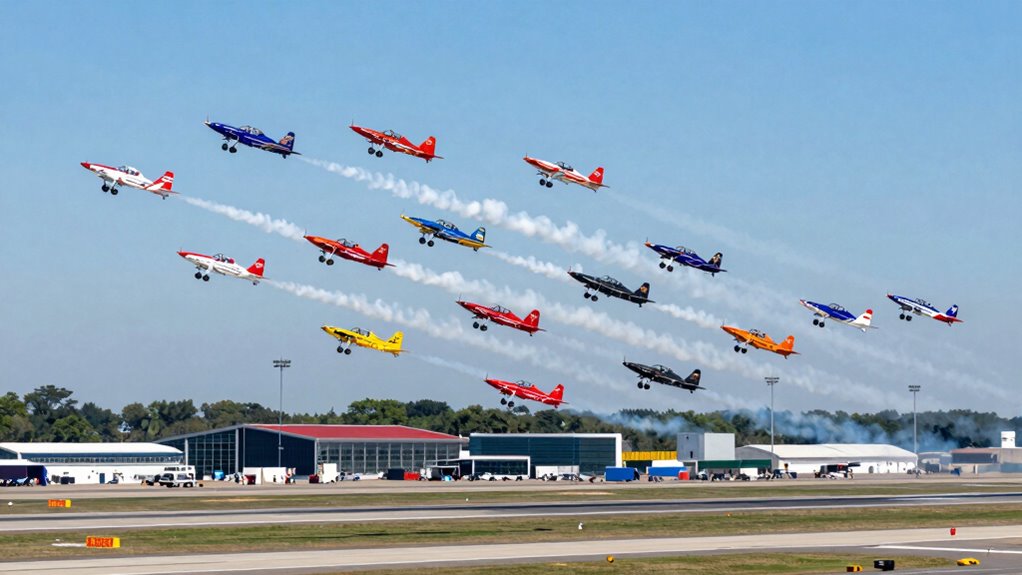

Before flying in high-density competition areas, make certain you know the local regulations and any temporary restrictions. Conduct thorough pre-flight checks, keep clear of no-fly zones, and stay within designated flying zones. Maintain visual contact with your drone and communicate with officials. Be aware of obstacles, environmental changes, and other pilots’ movements. Prioritize safety by following instructions and staying alert. If you want to guarantee a safe, smooth flight, keep going for more essential tips.

Get travel and outdoor gear delivered free with Prime
- Fast, free delivery on millions of items
- Prime Video, Amazon Music and more included
- Member-only deals all year
Key Takeaways
- Confirm specific local regulations and designated flying zones before the event.
- Conduct thorough pre-flight inspections and ensure all safety features are active.
- Maintain clear communication with organizers and respect other pilots’ space.
- Stay vigilant for environmental hazards like obstacles and changing weather conditions.
- Carry essential safety gear and be prepared to respond quickly to incidents.
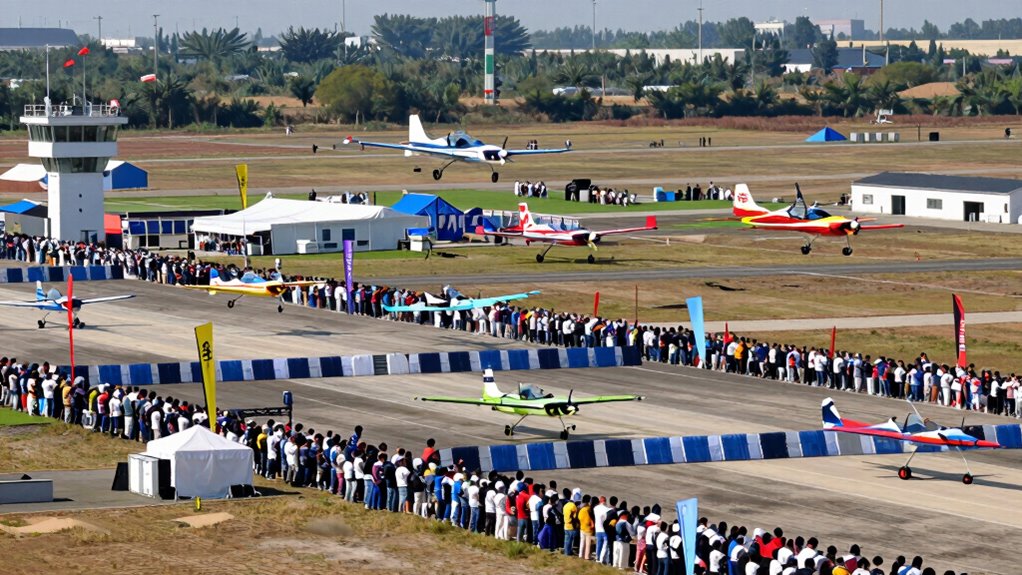
Flying in high-density competition areas requires careful planning and awareness to guarantee safety and success. When you’re steering through crowded spaces filled with other drones, spectators, and obstacles, understanding the local drone regulations becomes your first priority. These rules dictate where and when you can fly, maximum altitude limits, and required permits. Ignoring drone regulations can lead to penalties, loss of flying privileges, or even accidents. Before you take off, research the specific rules for the competition location, and confirm your drone is compliant. Check if there are designated flying zones, no-fly zones, or special restrictions during the event. Staying updated on any temporary flight restrictions or event-specific guidelines will help you avoid surprises.
Prioritize understanding local drone regulations and designated flying zones for safe, compliant competition flying.
Safety precautions are essential when flying in these busy environments. Always conduct a pre-flight inspection of your drone to guarantee it’s in top condition. Verify that your batteries are fully charged, and your GPS, sensors, and camera systems are functioning properly. Maintain a clear line of sight and avoid flying too close to other pilots or spectators. Keep your drone within a safe distance to prevent collisions, and plan your flight path to avoid congested areas. Use your drone’s fail-safe features, such as return-to-home functions, in case of signal loss or emergencies. Maintaining a steady altitude and slow, deliberate movements help prevent sudden crashes or disturbances to others. Additionally, understanding local drone regulations can significantly impact your flying experience and safety. Familiarity with these regulations can also help you adapt quickly if the rules change unexpectedly during the event. Regularly reviewing regulatory updates can ensure your compliance and safety measures stay current.
In addition to technical checks, communication is key. If the competition or event has a briefing or safety meeting, pay close attention. Follow the instructions of event organizers and adhere to any designated flying zones or times. Respect the space of other competitors, and avoid reckless maneuvers that could cause accidents or interfere with their flight paths. Keep an eye on your surroundings, including any unexpected obstacles like power lines, trees, or structures, which can be especially hazardous in crowded environments. Remember that proper communication with other pilots and officials can prevent many potential issues before they occur. Being proactive in communication can also help coordinate safe flying practices among all participants. Staying alert to changing environmental conditions is crucial for maintaining control and safety during your flight.
Finally, always be prepared for unforeseen situations. Carry a basic first aid kit, and know how to respond quickly if an incident occurs. Remember that safety isn’t just about following rules; it’s about actively protecting yourself, other pilots, spectators, and bystanders. By thoroughly understanding drone regulations and implementing safety precautions, you’ll improve your chances of a successful and enjoyable experience in high-density competition areas.
As an affiliate, we earn on qualifying purchases.
Frequently Asked Questions
How Do I Handle Unexpected Drone Traffic in Busy Areas?
When you encounter unexpected drone traffic, stay calm and immediately check your altitude awareness to avoid collisions. Adjust your drone’s height if possible, keeping a safe distance from others. Be aware of signal interference, which can disrupt your controls, so maintain a clear line of sight and reduce interference sources. Always prioritize safety by communicating with nearby pilots if possible, and stay alert to navigate busy areas safely.
What Are the Best Communication Protocols for Crowded Airspaces?
You should establish clear communication protocols, like using designated frequencies and maintaining constant visual contact. Rely on drone encryption to secure your signals and prevent unauthorized access. Be aware of potential signal jamming, which can disrupt your control links; having backup communication methods is essential. Always follow established airspace guidelines, and coordinate with other pilots to guarantee safe navigation and avoid collisions in crowded areas.
How Can I Quickly Identify Restricted Zones During a Flight?
You can’t afford to miss restricted zones in high-density airspace—it’s like spotting a needle in a haystack! Quickly identify them by mastering airspace classification charts and looking for clear visual markers like colored boundaries or warning signs. Always stay alert, keep your eyes peeled for these markers, and familiarize yourself with the latest maps. This way, you’ll dodge restricted zones faster than a lightning strike, ensuring safe, compliant flights every time.
What Emergency Procedures Are Recommended in High-Density Areas?
In high-density areas, you should follow established emergency protocols and conduct safety drills regularly. If an emergency arises, communicate immediately with air traffic control, follow their instructions precisely, and maintain a safe altitude and distance from other aircraft. Make certain you’re familiar with evacuation procedures, emergency landing sites, and how to use onboard safety equipment. Staying calm and prepared helps ensure your safety and those around you during critical situations.
How Does Weather Impact Flying in Crowded Competition Zones?
Weather patterns greatly impact your flight in crowded competition zones. Poor visibility, gusty winds, or thunderstorms can increase risks and complicate navigation. You should adjust your flight planning accordingly, checking updates frequently and considering alternative routes or delays. Always stay alert to changing conditions, and be prepared to modify your plans or land early if weather worsens. Proper preparation helps guarantee your safety and smooth competition participation.
Conclusion
Moving through high-density competition areas requires subtlety and awareness, like dancing through a busy crowd. With careful planning and respectful coordination, you can glide smoothly without causing ripples. Remember, patience and communication are your gentle guides, helping you avoid unnecessary turbulence. By embracing these quiet virtues, you’ll foster a harmonious environment where everyone’s skills can flourish, turning what seems like chaos into a graceful ballet of shared ambition and mutual respect.
Fall Picks
fall essentials
As an affiliate, we earn on qualifying purchases.