
Getting started with cross-country flying involves understanding how to plan your route, use navigation aids like GPS and sectional charts, and assess weather conditions along the way. You’ll need to identify waypoints, consider airspace restrictions, and prepare for possible diversions. Good planning and weather awareness are key to safety and efficiency. As you continue, you’ll build confidence and learn how to handle the unique challenges of long-distance flights.
Key Takeaways
- Understand navigation planning, including routes, waypoints, airspace restrictions, and use of GPS and charts.
- Assess weather conditions thoroughly before and during the flight to ensure safety.
- Select efficient routes that consider terrain, airspace, and fuel management for smooth cross-country trips.
- Prepare and double-check all navigation equipment and charts to prevent errors during flight.
- Build confidence through thorough planning, safety awareness, and embracing the scenic and rewarding aspects of cross-country flying.
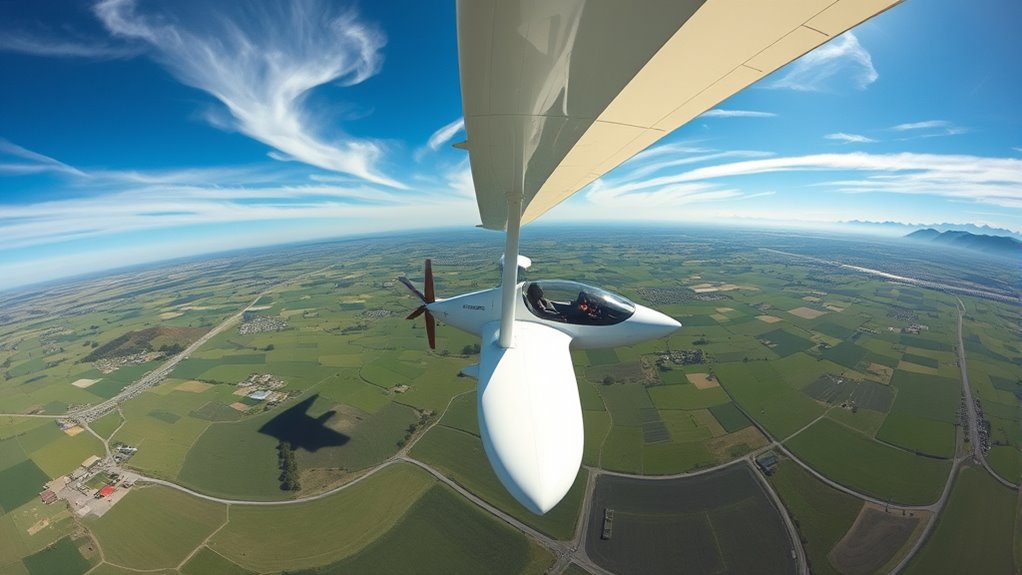
Have you ever wondered what it takes to fly across long distances in a single trip? Crossing multiple states or even countries requires careful preparation and a solid understanding of various factors. The first critical step is navigation planning. You need to chart your course precisely, considering waypoints, airspace restrictions, and the most efficient route. Modern technology makes this easier with GPS systems and electronic flight bags, but it’s essential to understand the fundamentals behind navigation. You should familiarize yourself with sectional charts, which depict terrain, airspace classes, and navigational aids like VORs and NDBs. Planning your route involves more than just drawing a line on a map; you need to account for alternate airports in case of emergencies, and plan for fuel stops if necessary. A well-thought-out navigation plan keeps you on track and reduces the risk of getting lost or running out of fuel.
Weather considerations are equally important, especially for long-distance flights. Before you take off, check the latest weather reports and forecasts for your entire route, including departure, en-route, and destination areas. Weather can change rapidly, so it’s crucial to stay updated throughout your flight. Look out for high winds, turbulence, thunderstorms, and other hazardous conditions that could impact your safety or comfort. Wind direction and speed can affect your ground speed and fuel consumption, so plan your timing accordingly. If adverse weather is forecasted along your route, you might need to adjust your course, delay your departure, or consider alternative airports. Being proactive about weather considerations minimizes surprises and helps you make informed decisions in the air.
As you prepare for your cross-country flight, combine thorough navigation planning with diligent weather considerations. Double-check your charts, make sure your navigation equipment is functioning properly, and stay updated on weather conditions before and during your trip. Remember, safety is the top priority, and good planning is your best tool to guarantee a smooth, successful flight. Long-distance flying can be incredibly rewarding, offering scenic views and a sense of accomplishment, but it demands discipline and attention to detail. The more thoroughly you prepare, the more confident you’ll feel when setting out on your cross-country adventure. With proper navigation planning and weather awareness, you’ll be well on your way to mastering the essentials of cross-country flying, turning a potentially formidable challenge into an enjoyable experience.
Frequently Asked Questions
What Are the Legal Requirements for Cross-Country Flying?
You need to make certain you have the proper pilot licensing, such as a private or commercial pilot certificate, to fly cross-country. Additionally, you must comply with airspace regulations, including obtaining necessary clearances and understanding controlled and uncontrolled airspace rules. Always check local aviation laws and regulations before your flight, and plan your route carefully, making sure you’re current and qualified for the specific cross-country journey you’re undertaking.
How Do I Plan a Cross-Country Flight Route?
Think of planning your route like plotting a treasure map. Start with navigation planning by choosing waypoints and check weather conditions. Map out fuel management to make sure you carry enough for the trip, including reserves. Use charts and flight planning tools to mark your course, identify alternate airports, and consider terrain. Double-check your plan before departure, so you stay on course and avoid surprises—like a true adventurer on a quest.
What Weather Conditions Are Safest for Cross-Country Flying?
You should fly in weather patterns that are stable and clear, avoiding storms, heavy clouds, or turbulence. Calm wind conditions with minimal gusts are safest, as strong or changing winds can affect your control. Check detailed weather reports and forecasts before departure, and be prepared to adjust your route if wind conditions or weather patterns shift unexpectedly. Prioritize safety by choosing the clearest, most stable weather for your cross-country flight.
How Do I Handle Emergencies During Long Flights?
Imagine your engine suddenly stalls mid-flight; you stay calm, follow emergency procedures like maintaining control and finding a safe landing spot. You communicate protocols by declaring an emergency to ATC, providing your position and intentions. Stay focused, troubleshoot as needed, and trust your training. Handling emergencies requires quick thinking, clear communication, and adherence to procedures—your preparation keeps you safe and confident during unexpected situations.
What Equipment Is Essential for Cross-Country Flying?
You need essential equipment like reliable navigation tools and communication devices for cross-country flying. GPS units, sectional charts, and a compass help you stay on course, while a handheld radio or transceiver keeps you in contact with air traffic control and other pilots. Always carry extra batteries and backup devices. This gear guarantees you navigate safely and communicate effectively, reducing risks and boosting your confidence during long flights.
Conclusion
Now that you understand the basics of cross-country flying, you’re ready to take the next step. Remember, preparation and practice are key to a successful journey. With each flight, you’ll gain more confidence and skills. So, are you ready to embrace the adventure and soar to new heights? The sky’s the limit when you’re equipped with the right knowledge. Get out there and enjoy your flying experience—your journey starts now!