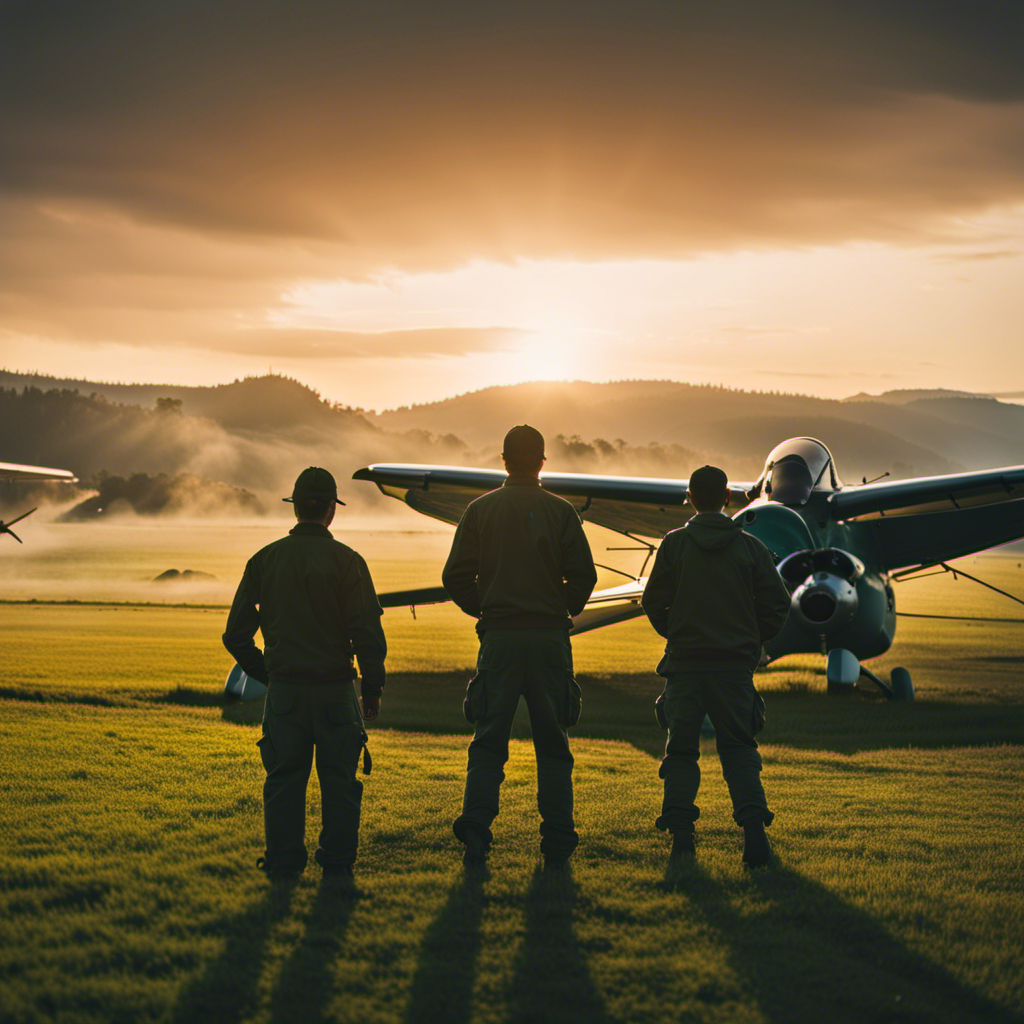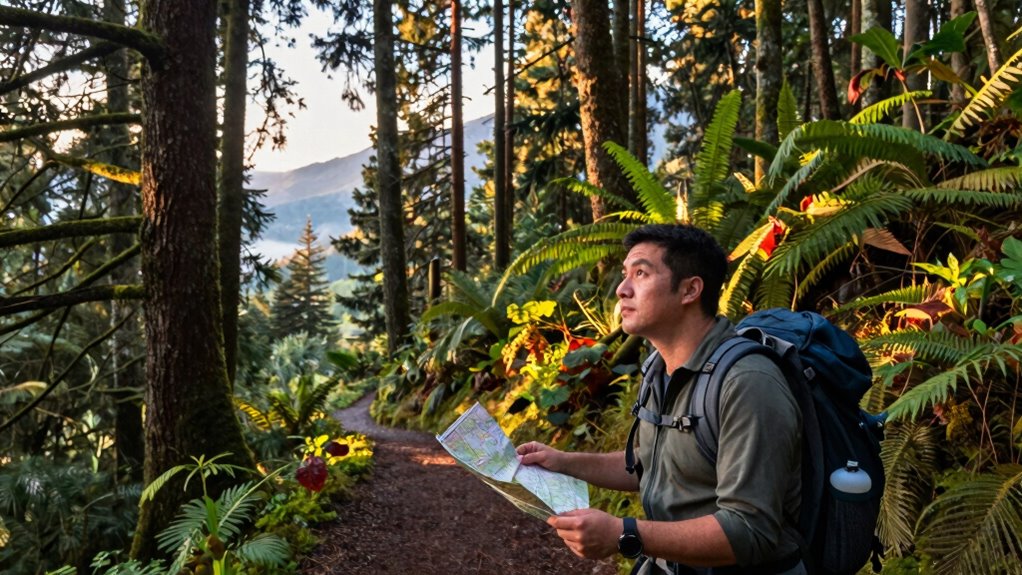

From day one, start actively engaging your senses and practicing environment scanning. Make deliberate, intentional checks of your surroundings, noticing small details and anomalies. Maintain mental alertness through mindfulness and focus exercises, and develop a habit of observing from different angles. Stay curious and interpret cues to understand your environment better. With consistent practice, your awareness will improve naturally. Keep exploring this skill, and you’ll discover how to sharpen it even further over time.

Get travel and outdoor gear delivered free — and shop member deals
- Fast, free delivery on millions of items
- Access to Prime Big Deal Days deals on October 6–7
- Prime Video, Amazon Music and more included
Key Takeaways
- Practice intentional environment scanning before entering new spaces to build proactive awareness.
- Develop a mental map by observing surroundings from multiple angles and noting anomalies.
- Stay mentally alert with mindfulness exercises and decision drills to process cues swiftly.
- Cultivate curiosity and ask questions about observed details to reinforce perception skills.
- Approach awareness as empowering, maintaining a safety-focused mindset from the very start.
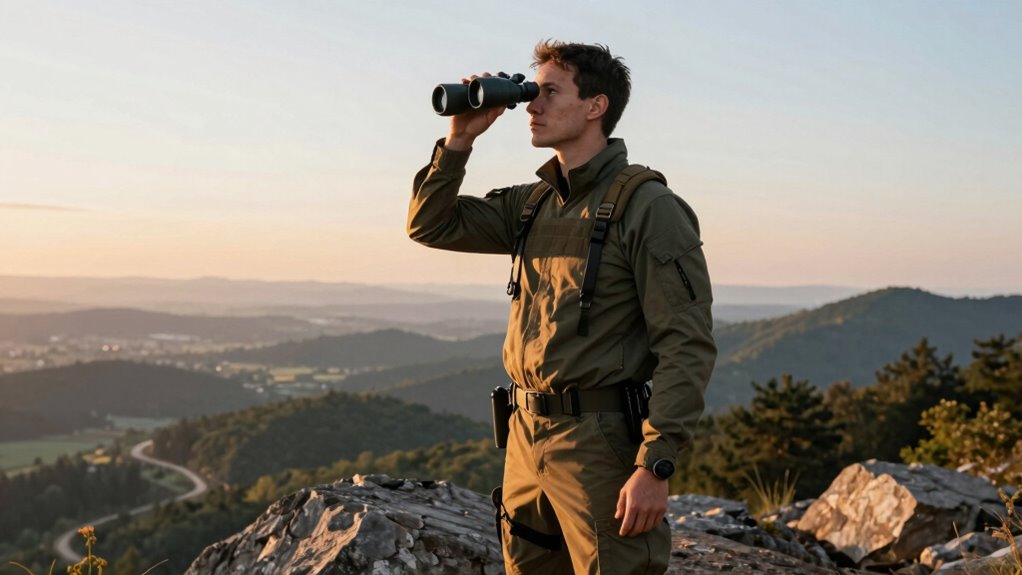
Starting your journey with sharp lookout and heightened awareness might seem challenging, but the good news is that these skills can be developed from day one. The key lies in actively engaging your senses and sharpening your situational perception. When you’re aware of your surroundings, you’re better equipped to notice details others might miss, whether it’s a potential hazard or a subtle change in someone’s behavior. Developing this awareness requires focus and practice, but it starts with a simple mindset: stay curious and attentive to everything around you. Your ability to interpret what’s happening and anticipate what might occur hinges on your cognitive alertness—your mental readiness to process information quickly and accurately.
Developing awareness from day one enhances your ability to notice details, interpret situations, and respond confidently and safely.
From the start, you should make it a habit to scan your environment intentionally. Don’t just glance aimlessly; instead, look deliberately, taking in details from different angles and distances. This enhances your situational perception, allowing you to build a mental map of your surroundings. As you do this, pay attention to anomalies or anything that seems out of place. The more you practice, the more natural it becomes to notice small cues that others overlook. This is crucial for developing a proactive awareness rather than just reacting to events after they unfold. Cultivating situational perception helps you respond effectively and prevent potential issues before they escalate.
Cognitive alertness is your mental state that keeps you vigilant and ready to respond. To improve it, you can practice mental exercises like mindfulness or quick decision drills, which sharpen your focus and reaction time. When you’re alert, your brain is more efficient at processing visual and auditory cues, enabling you to make better judgments on the spot. Remember, awareness isn’t just about seeing but interpreting what you see—connecting dots, recognizing patterns, and predicting possible outcomes. This proactive approach allows you to act early rather than scramble in response once a situation escalates.
Incorporate small routines into your daily life that reinforce awareness, such as checking your surroundings before entering a new space or asking yourself questions about what you observe. Over time, these habits will improve your situational perception and boost your cognitive alertness naturally. The more consistently you practice, the quicker you’ll develop an instinct for noticing what matters most. From day one, remember that sharpening your lookout and awareness isn’t about being paranoid but about empowering yourself with heightened perception, so you can navigate your environment confidently and safely.
mindfulness and awareness training tools
As an affiliate, we earn on qualifying purchases.
As an affiliate, we earn on qualifying purchases.
Frequently Asked Questions
How Long Does It Take to Improve Lookout Skills?
Improving your lookout skills can take a few weeks to months, depending on your dedication. You’ll notice progress as you practice eye contact and sharpen observation techniques daily. Focus on scanning environments systematically, staying alert, and filtering distractions. Regularly challenging yourself by observing unfamiliar settings enhances your awareness. Consistent effort, combined with active observation, accelerates your skill development, making you more perceptive and confident in identifying potential risks or important details quickly.
Can Anxiety Affect Awareness Training?
Yes, anxiety can affect your awareness training by making it harder to focus and stay alert. To counteract this, you should practice mindfulness techniques and use breathing exercises to calm your mind. Incorporating these methods into your routine helps reduce anxiety, improves your ability to stay present, and enhances your lookout skills. Over time, this boosts your overall awareness, making you more alert and responsive in various situations.
Are There Specific Exercises to Enhance Situational Awareness?
Yes, you can enhance your situational awareness with specific exercises like mindfulness training and observation drills. Mindfulness helps you stay present, sharpening your perception of your surroundings. Observation drills involve actively scanning your environment, noting details without judgment. Regularly practicing these exercises trains your mind to stay alert, improve focus, and recognize potential threats or changes quickly, making you more aware and prepared from day one.
How Do Weather Conditions Impact Lookout Effectiveness?
Ever wondered how weather impact affects your lookout effectiveness? Poor weather, like fog or heavy rain, creates visibility challenges that make spotting hazards harder. Wind can also shift your focus and distort sounds. These conditions demand increased vigilance and slower scanning. Do you adapt your strategy accordingly? By understanding weather impact, you can adjust your awareness techniques, ensuring you stay alert despite challenging conditions and maintain safety at all times.
What’s the Best Way to Stay Alert During Long Sessions?
To stay alert during long sessions, you should practice mindfulness training and apply focus techniques regularly. Take short breaks to reset your mind, and use deep breathing exercises to maintain calmness. Stay engaged by actively scanning your environment and setting small goals to keep your attention sharp. These strategies help prevent fatigue and enhance your lookout skills, ensuring you remain vigilant and aware throughout extended periods.
Conclusion
Improving your lookout and awareness from day one sets the foundation for safety and success. Remember, studies show that experienced observers are 70% more likely to identify hazards early. Stay alert, practice regularly, and trust your instincts—these habits sharpen your skills quickly. With consistent effort, you’ll develop a keen eye and heightened awareness that become second nature, ensuring you’re always prepared to respond effectively in any situation.
Fall Picks
fall essentials
As an affiliate, we earn on qualifying purchases.