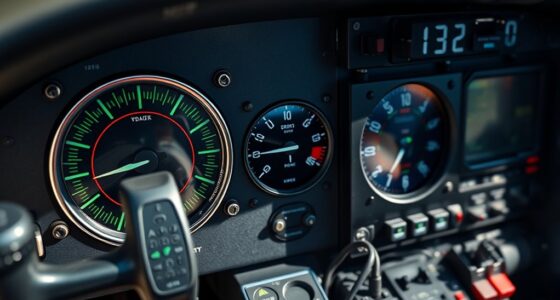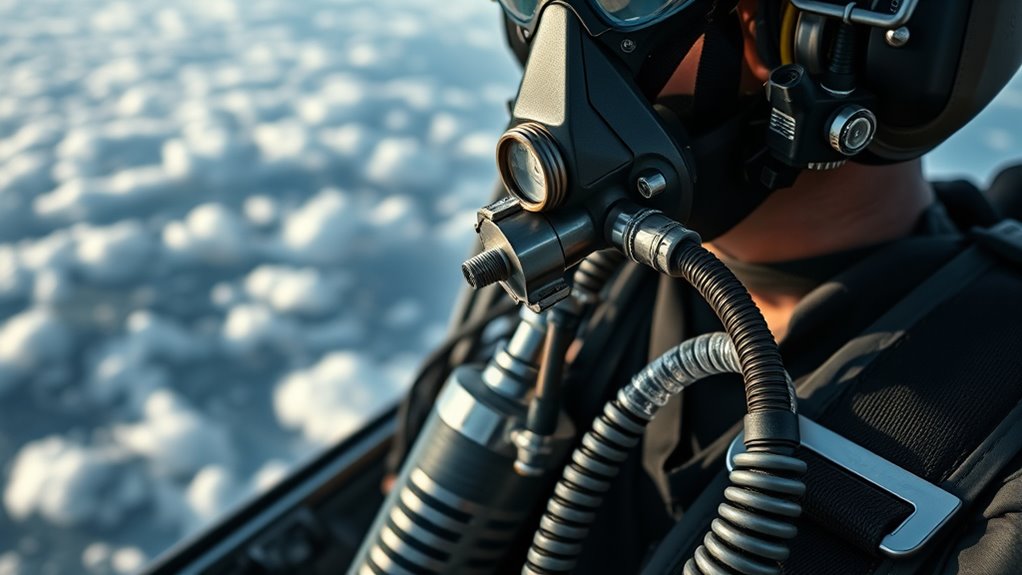
To guarantee safety during high-altitude soaring, you’ll rely on oxygen systems that include lightweight tanks and masks. These systems come in two main types: continuous flow and demand systems, both designed for quick donning and reliable oxygen delivery. You control the flow with regulators, making adjustments easy. Proper handling, pre-flight checks, and training are essential to prevent hypoxia. Keep exploring, and you’ll discover more about selecting and using these crucial systems effectively.
Key Takeaways
- High-altitude oxygen systems include portable tanks, masks, and regulators designed to prevent hypoxia during extended or extreme altitude flights.
- Types of oxygen masks vary, including full-face and nasal masks, providing secure fit and ease of donning for pilots.
- Portable oxygen tanks are lightweight, adjustable, and stored onboard, supplying reliable oxygen sources for high-altitude soaring.
- Regulators control oxygen flow, allowing pilots to customize delivery based on altitude and personal needs.
- Proper training on system setup, operation, and safety checks ensures effective and safe use of oxygen systems during high-altitude flights.

High-altitude soaring offers exhilarating views and extended flight times, but it also presents significant oxygen challenges. As you ascend to higher altitudes, the thinner air means less oxygen becomes available, which can lead to hypoxia if you’re not properly equipped. To counter this, pilots and soaring enthusiasts rely on oxygen systems designed specifically for high-altitude flights. These systems typically include oxygen masks and portable tanks, ensuring you can maintain alertness and safety during your flight.
High-altitude soaring requires oxygen systems like masks and tanks to prevent hypoxia and ensure safety.
Oxygen masks are your primary interface for breathing supplemental oxygen at altitude. They come in various styles, but most are designed for quick donning and secure fit, allowing you to breathe comfortably under demanding conditions. When you reach the critical altitudes where natural oxygen levels drop, you simply put on your oxygen mask, which delivers a steady flow of oxygen directly to your nose and mouth. This setup helps prevent hypoxia and keeps you alert, so you can focus on maintaining control and enjoying the view.
Portable tanks are essential components of your oxygen system, providing a reliable supply of oxygen during your flight. These tanks are lightweight, compact, and easy to carry, making them suitable for soaring pilots who need mobility and convenience. They can be filled beforehand and stored onboard, ready for quick use when you reach your chosen altitude. Many portable tanks feature adjustable pressure regulators, allowing you to control the oxygen flow rate based on your altitude and personal needs. This flexibility ensures you get enough oxygen without waste, extending your flight time at high elevations.
Using portable tanks in combination with oxygen masks is straightforward, but it requires proper training. Before your flight, you’ll learn how to connect the mask to the tank, adjust the flow rate, and recognize signs of oxygen depletion or system malfunction. During ascent, you’ll monitor your oxygen levels and make adjustments as necessary. It’s crucial to check your equipment thoroughly before each flight to ensure everything functions correctly, especially the seals on the mask and the integrity of the tanks.
In high-altitude soaring, your oxygen system isn’t just a safety measure—it’s a essential tool that lets you push the boundaries of your flight while staying safe and alert. These systems are designed for ease of use and reliability, giving you confidence as you ascend to those breathtaking heights. With the proper setup, oxygen masks, and portable tanks, you’ll be able to fully enjoy the thrill of high-altitude soaring without compromising your safety or comfort.
Additionally, understanding emotional support techniques can help pilots cope with the mental stress of flying at high altitudes and managing complex equipment.
Frequently Asked Questions
How Do I Maintain and Service My High-Altitude Oxygen System?
To uphold and service your high-altitude oxygen system, regularly check for oxygen safety issues, such as leaks or blockages. Follow the manufacturer’s instructions for system troubleshooting, including inspecting cylinders, regulators, and masks. Keep everything clean and ensure connections are secure. Schedule professional inspections periodically, especially before long flights. Proper maintenance ensures reliable oxygen supply and safety, giving you confidence during high-altitude soaring adventures.
Are There Lightweight Oxygen Options for Extended High-Altitude Flights?
Like a feather on the breeze, lightweight oxygen options exist for extended high-altitude flights. You can choose portable cylinders combined with lightweight masks, making your setup easy to carry and comfortable to wear. These systems are designed to minimize weight without sacrificing safety or oxygen supply, so you can soar higher longer without feeling weighed down. Always guarantee your gear is properly maintained for peak performance.
What Training Is Recommended for Safe Oxygen System Use?
You should complete a thorough oxygen safety training course before high-altitude flights. This training covers proper system use, emergency procedures, and handling malfunctions to guarantee your safety. Practice donning and operating oxygen equipment regularly, and familiarize yourself with emergency protocols for unexpected situations. Staying well-trained helps you respond calmly and effectively, reducing risks during high-altitude soaring and ensuring you maintain oxygen safety at all times.
Can I Retrofit My Existing Glider With Oxygen Equipment?
Coincidentally, you can retrofit your glider with oxygen equipment, but it’s vital to check oxygen system certification and adhere to oxygen system regulations. Start by consulting with certified professionals who can assess your aircraft’s structure and guarantee the new system complies with all safety standards. Proper installation and certification are essential for safe high-altitude soaring, so don’t skip the necessary inspections and paperwork before upgrading your glider.
How Does Oxygen Usage Affect Pilot Alertness and Decision-Making?
Oxygen usage critically impacts your alertness and decision-making. When you don’t use oxygen at high altitude, oxygen deprivation can lead to cognitive impairment, making you less aware and slower to react. By properly using oxygen, you maintain ideal brain function, stay alert, and make better decisions. It’s essential to guarantee your oxygen system works effectively, so you avoid the risks associated with oxygen deprivation and keep yourself safe during soaring.
Conclusion
When soaring at high altitudes, your safety depends on reliable oxygen systems. Did you know that pilots often use oxygen masks that deliver up to 100% oxygen at altitudes above 15,000 feet? This ensures you stay alert and prevent hypoxia. By choosing the right oxygen system, you can enjoy extended flights safely and comfortably. Remember, proper oxygen usage isn’t just a choice — it’s vital for high-altitude success and safety.