Portable oxygen systems are vital for your safety and comfort during high-altitude flights, especially if you have respiratory conditions. They guarantee you get a reliable oxygen supply, helping prevent symptoms like dizziness and shortness of breath. These devices also meet strict safety standards, making certain you travel securely. Plus, they offer independence and flexibility, so you’re prepared for any delays or emergencies. Keep exploring to discover how these systems keep you safe and comfortable in the sky.
Key Takeaways
- Portable oxygen systems ensure adequate oxygen supply for travelers with respiratory conditions at high altitudes.
- They meet strict safety standards, reducing risks of leaks or fires during flights.
- Modern devices are lightweight, discreet, and customizable to individual oxygen needs.
- Personal systems provide independence and flexibility beyond airline oxygen provisions.
- Compliance with airline regulations guarantees safe, reliable oxygen support during high-altitude flights.
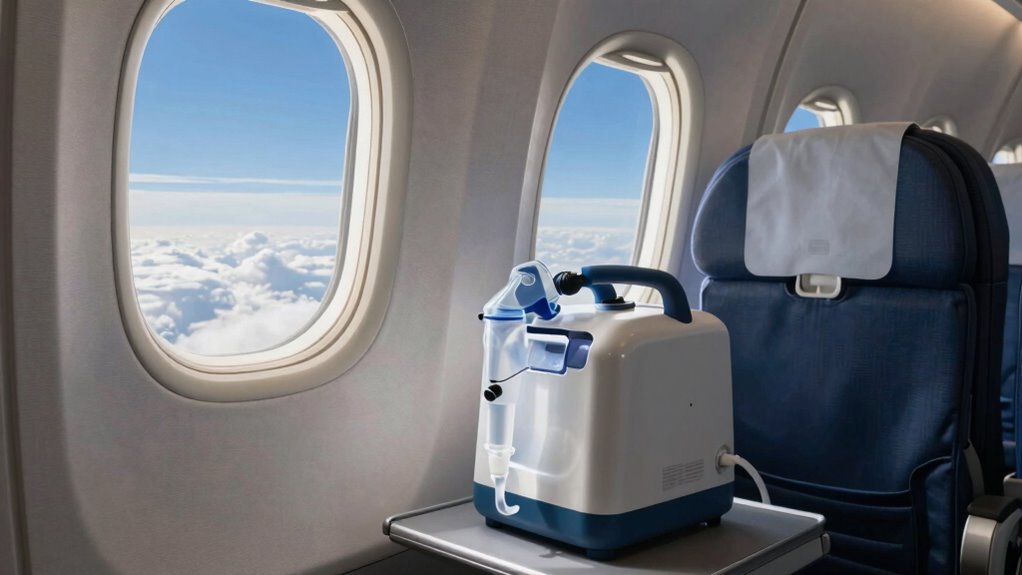
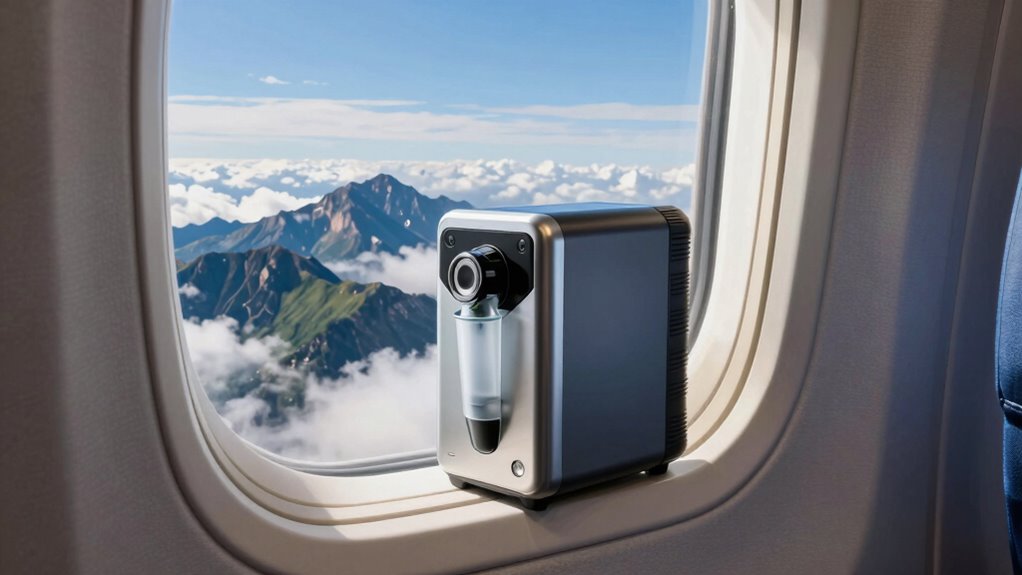
Have you ever wondered how travelers with respiratory issues manage high-altitude flights? For many, portable oxygen systems are essential tools that guarantee safety and comfort during air travel. These compact devices provide supplemental oxygen, helping you breathe easier as cabin altitudes can mimic elevations of several thousand feet above sea level, which can be challenging for those with respiratory conditions. While commercial airlines do have oxygen provisions, they often aren’t sufficient for passengers with specific medical needs, making personal portable oxygen systems indispensable. These systems are designed to deliver a continuous and reliable oxygen supply, giving you peace of mind and enabling you to fly without risking your health. Medical safety is the primary reason portable oxygen systems still matter for high flights. If you have a chronic respiratory condition, such as COPD or severe asthma, your body may struggle to absorb enough oxygen at high altitudes. Without proper support, you risk symptoms like dizziness, shortness of breath, or more severe complications. Portable oxygen units are tailored to meet individual needs, allowing you to maintain normal oxygen saturation levels during your journey. They are lightweight, easy to carry, and can be used discreetly, so you don’t have to worry about discomfort or embarrassment. Guaranteeing your oxygen levels remain stable minimizes the risk of health emergencies that could otherwise turn your trip into a medical crisis. Additionally, portable oxygen systems are designed to meet strict aviation safety standards**, ensuring their safe use during flights. These standards are continually updated to reflect advancements in safety regulations, which help protect passengers and crew from potential hazards associated with oxygen use at altitude. Ensuring these systems are compliant adds an extra layer of safety assurance for travelers relying on supplemental oxygen. Moreover, the development of lightweight and portable devices has been driven by ongoing technological innovations, making modern systems more effective and convenient to use. Aviation regulations also play a significant role in why portable oxygen systems remain relevant today. Airlines have strict policies regarding oxygen use onboard, often requiring prior approval and specific types of equipment that meet safety standards. Portable oxygen concentrators and tanks must comply with these regulations, which are designed to prevent accidents and ensure overall flight safety. These regulations help you and the crew manage oxygen safely, reducing the risk of leaks, fires, or other hazards associated with oxygen storage and use at altitude. Knowing that your portable system adheres to aviation safety standards offers reassurance that your health equipment is both effective and safe to use during the flight. Even with advancements in airline medical services, personal portable oxygen systems give you independence and flexibility. They allow you to travel more confidently, knowing you’re prepared for the altitude challenges** that could compromise your health. Airline policies now recognize the importance of accommodating passengers with medical needs, but having your own reliable system ensures you won’t be left without oxygen support in case of delays or other unforeseen circumstances. In essence, portable oxygen systems remain a fundamental part of managing health safety and complying with aviation regulations, making high flights safer and more accessible for everyone who depends on supplemental oxygen.
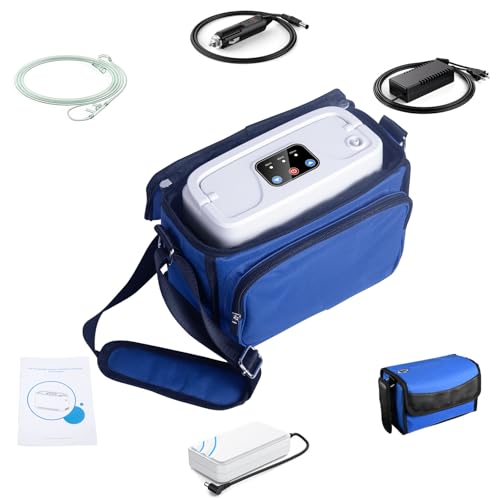
Oxygen Mask,Oxygen Concentrator Machine,Portable Oxygen Concentrator(MASK, Oxygen, for Oxygen Generator, for Home use)
Indicated Use –Intended to produce oxygen for emergency use.
As an affiliate, we earn on qualifying purchases.
As an affiliate, we earn on qualifying purchases.
Frequently Asked Questions
How Long Do Portable Oxygen Systems Last on High-Altitude Flights?
On high-altitude flights, a portable oxygen system typically lasts between 15 and 30 minutes, depending on oxygen concentration and your usage. You verify it functions properly by regularly checking and maintaining the system. If you breathe heavily or need higher oxygen levels, the system depletes faster. Always carry extra supplies, and follow maintenance guidelines to guarantee reliable oxygen delivery throughout your flight.
Are Portable Oxygen Systems Legal on Commercial Airlines?
Yes, portable oxygen systems are legal on commercial airlines, but you need to follow specific travel regulations. If you require oxygen therapy, you must notify your airline in advance and provide documentation from your healthcare provider. Airlines typically allow these devices on board, but they might have size or power restrictions. Always check with your airline beforehand to guarantee compliance and smooth travel with your portable oxygen system.
Can Portable Oxygen Systems Be Used During Emergencies or Decompression?
Yes, you can use portable oxygen systems during emergencies or decompression. Emergency protocols often recommend having your device ready, and you should guarantee proper oxygen tank maintenance beforehand. These systems provide immediate relief, especially if cabin pressure drops unexpectedly. Always familiarize yourself with the device’s operation and follow airline safety instructions to ensure effective use during critical moments. Your preparedness can make a significant difference in such situations.
What Are the Weight and Size Restrictions for Portable Oxygen Devices?
You need to check the weight and size restrictions for portable oxygen devices, as they vary by airline and device type. Most airlines require medical certification confirming your need for supplemental oxygen and verify device compatibility with their systems. Typically, portable oxygen systems must be lightweight—under 5 pounds—and compact enough to fit in carry-on luggage. Always verify specific airline policies before flying to ensure compliance and a smooth travel experience.
How Do I Ensure the Safety of My Portable Oxygen System During Travel?
Is your oxygen delivery system prepared for travel? To guarantee safety, you should always carry your portable oxygen system in approved carrying cases, follow airline regulations, and keep it easily accessible. Check for proper functioning before departure, and inform airline staff about your oxygen needs. Always adhere to safety precautions, such as avoiding exposure to heat or flames, to prevent accidents and ensure your portable oxygen system remains reliable during the journey.

Boost Oxygen Pocket Size Natural 3L Canister | Respiratory Support for Aerobic Recovery, Altitude, Performance & Health (2 Pack)
FILLED WITH 99.5% OXYGEN: All-natural, prescription-free respiratory support that can be used by anyone, anytime, anywhere for non-medical…
As an affiliate, we earn on qualifying purchases.
As an affiliate, we earn on qualifying purchases.
Conclusion
Even as commercial flights soar higher and technology advances, portable oxygen systems remain essential. They’re your safety net in the rare event of cabin depressurization, providing peace of mind in a sea of clouds. While modern aircraft are equipped with advanced systems, your portable device offers a personal layer of security—like a parachute on a sky-high journey. In the vast expanse of high altitudes, it’s your reliable companion when every second counts.

Zohara Wellness DIY Dynamic Oxygen Bubble Facial Kit, Advanced O2 Oxygen Infusion Skincare Device for Hydrating, Brightening & Anti-Aging, Portable At-Home SPA Facial System
🌿 SPA-LIKE FACIAL RESULTS AT HOME Get a refreshing oxygen facial experience without booking appointments or spending on…
As an affiliate, we earn on qualifying purchases.
As an affiliate, we earn on qualifying purchases.
aviation compliant oxygen device
As an affiliate, we earn on qualifying purchases.
As an affiliate, we earn on qualifying purchases.