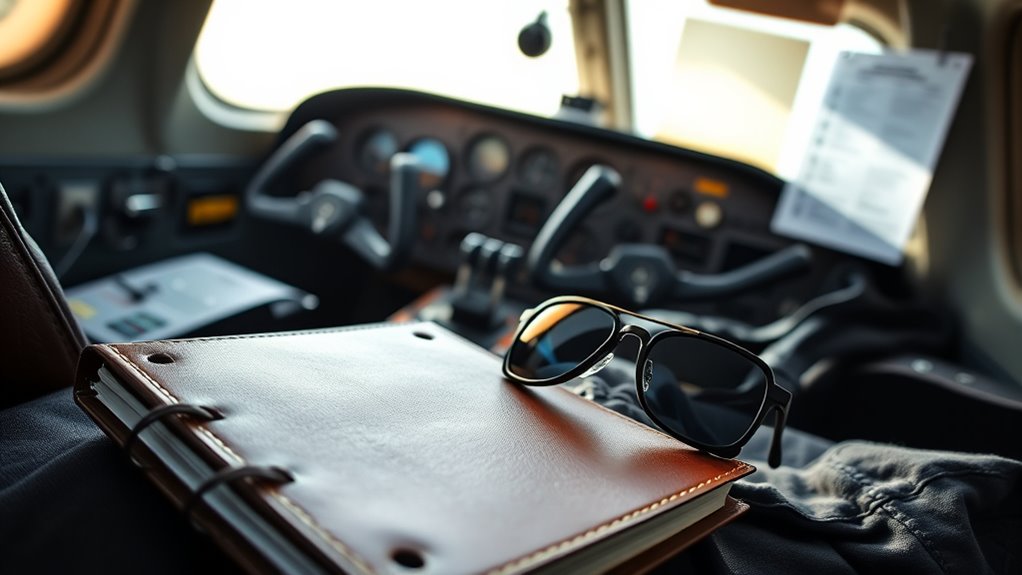

Before your flight, double-check your safety gear, including helmet, harness, oxygen mask, and communication devices, ensuring everything fits well and works properly. Take a walk around the aircraft to spot any damage, check control surfaces, tires, and exterior panels. Inside, verify instruments and emergency equipment like fire extinguishers and first aid kits are in place and functional. Staying thorough is key — continue here to discover detailed steps for a complete pre-flight gear inspection.

Get travel and outdoor gear delivered free with Prime
- Fast, free delivery on millions of items
- Prime Video, Amazon Music and more included
- Member-only deals all year
Key Takeaways
- Verify pilot safety gear, including helmets, harnesses, oxygen masks, and communication devices for proper fit and functionality.
- Conduct a thorough exterior aircraft inspection, checking for damage, secure panels, tire condition, and control surface mobility.
- Inspect cockpit instruments, switches, and controls to ensure correct positions and operational status.
- Confirm emergency equipment, such as fire extinguishers and first aid kits, are present, charged, and accessible.
- Test communication systems and backup navigation tools to guarantee reliable operation during the flight.
Pre-Flight Gear and Equipment Checklist
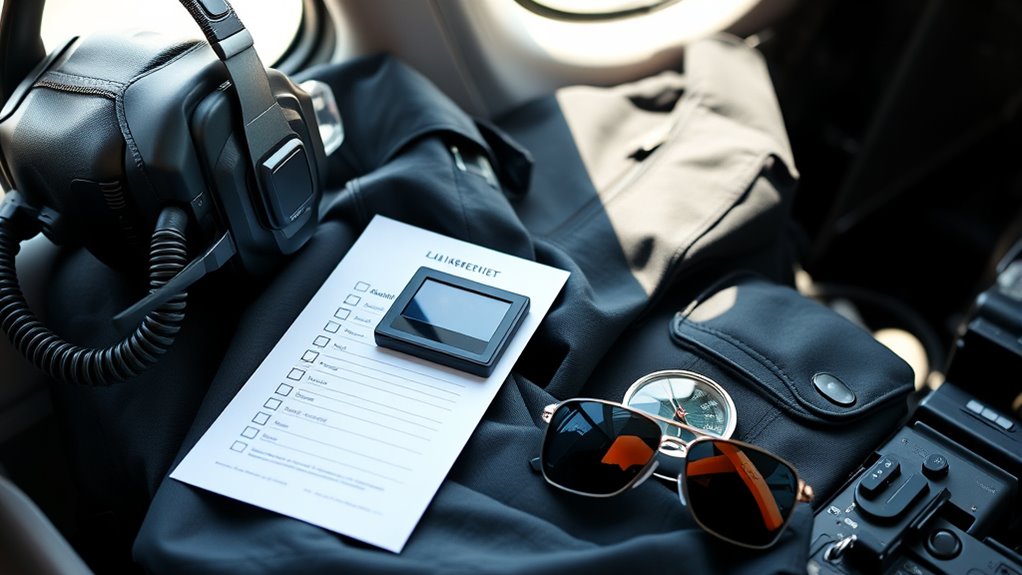
Before you take off, make sure you have all the necessary gear ready and in working order. Your safety and the safety of everyone on board depend on thorough preparation. Starting with pilot safety, it’s crucial to double-check your personal gear—helmet, harness, oxygen mask, and communication devices—ensuring they’re in good condition and properly fitted. An uncomfortable or malfunctioning piece of equipment can compromise your ability to fly safely, so don’t rush this step. Confirm that your headset is functioning clearly, and test the microphone and speakers. If you’re flying in high altitudes or long flights, verify your oxygen supply, making sure masks and tanks are ready and functional. Additionally, understanding essential safety equipment and how to use it effectively can make all the difference in emergency situations.
Next, focus on equipment maintenance. Your aircraft’s gear needs a meticulous inspection before every flight. Walk around the plane and scrutinize the exterior for any visible damage—cracks, dents, or corrosion—that could impact flight safety. Check that all panels and doors are securely latched, and inspect the tires for proper inflation and wear. Don’t forget to examine control surfaces, such as ailerons, elevators, and rudders, ensuring they move freely and aren’t obstructed. Confirm that pitot tubes and static ports are clear of debris, which is vital for accurate instrument readings. Inside the cockpit, verify that all essential instruments and switches are in their designated positions and functioning correctly. If you notice any irregularities or signs of wear, address them immediately or escalate the issue to maintenance personnel.
Additionally, assess your emergency equipment. Ensure fire extinguishers are present, charged, and accessible. Check your first aid kit and other safety gear, such as flares or reflective vests, to confirm they’re intact and ready to use. Confirm that your navigation and communication systems are operational, with backup options available in case of primary system failure. Keeping a checklist handy during this inspection helps you avoid overlooking critical items. Remember, regular equipment maintenance isn’t just about compliance; it’s about actively reducing risks and enhancing your pilot safety.
Frequently Asked Questions
How Often Should Pre-Flight Gear Be Inspected?
You should regularly inspect your pre-flight gear to guarantee safety and proper function. Follow a thorough pre flight checklist before each flight, and perform gear maintenance as needed based on its condition. Regular inspections help catch issues early, preventing potential failures. Make it a habit to check your gear before every flight, reinforcing safety and reliability in your operations. Consistent gear maintenance keeps your equipment in top shape for every journey.
What Are Common Signs of Gear Wear and Tear?
You should look for gear degradation and wear indicators to identify signs of damage. Common signs include frayed straps, cracked or brittle materials, loose fittings, and corrosion. These indicators show your gear is weakening and may not perform safely. Regularly inspecting for wear helps prevent accidents. If you notice any of these signs, replace or repair the gear before your next flight to ensure safety and reliability.
Are There Safety Standards for Pre-Flight Equipment?
Are there safety standards for pre-flight equipment? Absolutely. Aviation regulations set strict safety standards to guarantee gear’s integrity, including regular inspections and maintenance. You must verify that all equipment meets safety compliance, reducing risks during flights. Following these standards helps prevent accidents, protects lives, and maintains operational excellence. Always stay informed about current regulations, and routinely check your gear to ensure it adheres to mandated safety standards.
How to Store Gear to Prevent Damage?
You should focus on proper storage solutions to prevent gear damage. Use protective cases to shield sensitive equipment from impacts, dust, and moisture. Store your gear in a cool, dry place away from direct sunlight, and keep it organized to avoid unnecessary stress. Regularly inspect storage areas for signs of wear or damage, ensuring your equipment remains in ideal condition and ready for use when needed.
What Should I Do if I Find Damaged Gear?
When you find damaged gear, don’t delay; plunge into decisive action. Follow emergency procedures immediately to guarantee safety, and document the damage meticulously in maintenance records. You should assess the extent of the damage, remove the compromised gear from service, and report it to maintenance personnel. Proper documentation helps track recurring issues and ensures repairs are properly recorded, keeping everyone safe and maintaining aircraft readiness.
Conclusion
Now, as you stand ready on the tarmac, your gear shining under the sun, remember that thorough inspection transforms chaos into confidence. Just like a well-maintained engine powers your flight smoothly, a complete pre-flight check keeps you safe and prepared. Missing a detail is like ignoring a warning light—small, but potentially costly. Prioritize this checklist, and you’ll find clarity in the chaos, turning your journey from uncertainty into an effortless flight.
Fall Picks
fall essentials
As an affiliate, we earn on qualifying purchases.