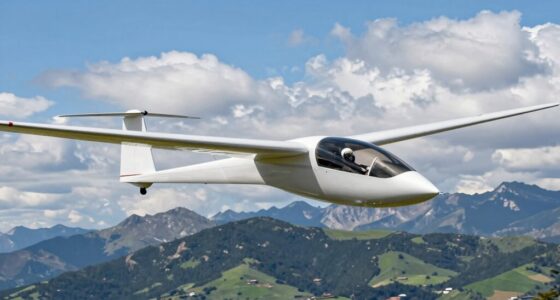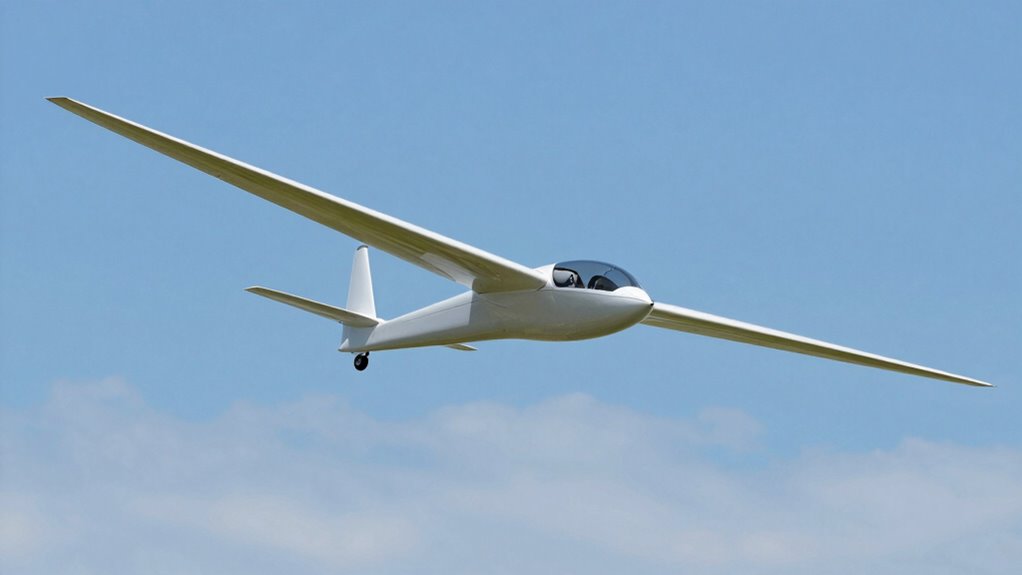

In fast gliders, small control inputs matter because even tiny adjustments can greatly impact stability and response at high speeds. Your ailerons and elevator become more sensitive, meaning overeager moves can cause oscillations or destabilize the aircraft. Using subtle, deliberate touches helps you maintain control and avoid abrupt changes. Mastering how minor inputs affect flight makes you a safer pilot. Keep exploring, and you’ll discover more ways to refine your high-speed flying skills.

Get travel and outdoor gear delivered free with Prime
- Fast, free delivery on millions of items
- Prime Video, Amazon Music and more included
- Member-only deals all year
Key Takeaways
- Minor control inputs at high speeds can cause significant aircraft responses due to increased control surface sensitivity.
- Precise, small adjustments help maintain stability and prevent overcorrections that could lead to oscillations or stalls.
- At high speeds, aerodynamic forces amplify the effects of small control movements, requiring careful handling.
- Quick control surface responses demand a delicate touch to avoid destabilizing the glider during maneuvers.
- Developing restraint and understanding aerodynamic responses enhances safety and control during fast gliding.
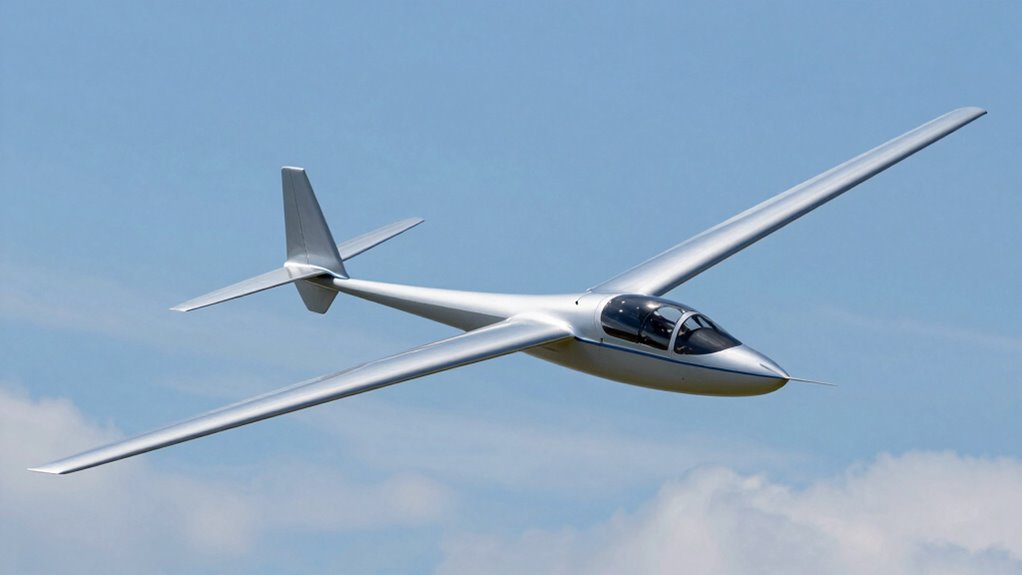
When flying fast gliders, small control inputs can have a surprisingly significant impact on the aircraft’s performance and stability. At high speeds, even minor adjustments to your ailerons or elevator can lead to noticeable changes in how the glider responds. This is because aileron sensitivity increases as speed rises, making subtle movements more effective in controlling roll. You might think you’re making a slight correction, but at these velocities, that tiny input can induce rapid roll changes or oscillations if not carefully managed. It’s crucial to develop a keen sense of how little effort is needed to influence the aircraft, ensuring you avoid overcorrecting and destabilizing your flight. Recognizing the aerodynamic forces at play is vital for high-speed control, helping you respond appropriately to the aircraft’s reactions. Developing this sensitivity also involves understanding the aircraft’s aerodynamic center, which shifts with speed and affects control effectiveness. Being aware of these shifting aerodynamic characteristics enhances your ability to make precise adjustments during flight.
At high speeds, tiny control inputs can drastically affect stability—precision and restraint are essential for safe gliding.
Pitch stability plays a vital role in maintaining smooth, controlled flight at high speeds. Small control inputs to the elevator, or pitch control, can either stabilize or destabilize your glide path. Because the aircraft’s aerodynamic forces are more pronounced at speed, even minimal elevator adjustments can cause significant pitch changes. This means you need to be precise and deliberate with your movements, avoiding abrupt or excessive inputs that could lead to a loss of pitch stability. Maintaining a steady pitch not only helps keep your glide path consistent but also reduces the risk of entering dangerous stalls or dives caused by overly aggressive control inputs. Additionally, understanding the aerodynamic center helps in predicting how the aircraft responds to control inputs at various speeds, further aiding in stable flight management.
Understanding and managing aileron sensitivity is essential for effective high-speed flying. When you’re pushing the glider to its limits, the control surfaces respond more quickly, demanding a delicate touch. Small, well-timed inputs enable you to make nuanced corrections without upsetting the aircraft’s balance. This finesse is especially important during turns or when adjusting your bank angle—overdoing it can cause unnecessary stress on the airframe or lead to oscillations that are hard to recover from. As you become more experienced, you’ll learn to anticipate how your control inputs translate into aircraft movement, giving you the ability to make subtle adjustments that keep your flight smooth and stable. Being aware of the aircraft’s control responsiveness at high speeds allows pilots to better judge their inputs and improve overall handling.
In essence, the importance of small control inputs in fast gliders cannot be overstated. They directly influence aileron sensitivity and pitch stability, both of which are critical for safe, efficient flight at high speeds. Recognizing how minor movements can have outsized effects allows you to become a more skilled pilot, capable of maintaining control with precision, even when pushing the aircraft to its limits. The key lies in practicing restraint, developing a feel for your controls, and understanding the aerodynamic responses that come with high-speed flying.
RC glider control surface precision
As an affiliate, we earn on qualifying purchases.
As an affiliate, we earn on qualifying purchases.
Frequently Asked Questions
How Do Small Control Inputs Affect Glide Efficiency?
Small control inputs improve glide efficiency by maintaining aerodynamic stability and ensuring precise control responsiveness. When you make subtle adjustments, you reduce drag and keep the glider aligned with airflow, maximizing lift and minimizing energy loss. This delicate handling lets you stay on course with minimal effort, enhancing overall performance. Your careful, small inputs keep the glider stable and responsive, making your flight smoother, longer, and more efficient.
Are Small Control Inputs Easier to Manage During High-Speed Flight?
Yes, small control inputs are easier to manage during high-speed flight because they require less manual dexterity, allowing you to make precise adjustments without overcorrecting. This helps reduce pilot workload, especially when rapid, subtle changes are needed. By maintaining gentle, controlled inputs, you keep the glider stable and responsive, which is essential at high speeds to prevent overshooting or losing control.
What Are the Risks of Overusing Small Control Inputs?
Overusing small control inputs can lead to control surface sensitivity issues, making your glider twitchy and unpredictable. Imagine trying to steer a boat with tiny, rapid adjustments—your reaction time becomes essential. If you’re too aggressive, you risk overshooting or causing instability. Even a slight delay in your response can result in overcontrolling, which compromises safety and smooth flight. Keep inputs subtle to maintain precise, stable control at high speeds.
How Do Pilots Train for Precise Small Control Inputs?
You train for precise small control inputs by practicing in simulators and real aircraft, focusing on control sensitivity. You learn to make subtle adjustments and feel how the glider responds, improving your pilot feedback. You develop a delicate touch through repetition, gradually increasing your confidence in executing tiny inputs. This training enhances your ability to manage fast gliders smoothly, ensuring safe and efficient flight with minimal control movements.
Do Small Control Inputs Improve Safety in Fast Gliders?
Small control inputs actually improve safety in fast gliders by enhancing aerodynamic stability and reducing pilot workload. For instance, a pilot making minor adjustments during a high-speed descent maintains better control and reduces turbulence risks. These subtle inputs prevent abrupt movements, keeping the glider steady and easier to manage. As a result, you experience fewer surprises, making your flight safer and more predictable, especially in challenging conditions.
Conclusion
By mastering gentle, subtle adjustments, you allow your glider to dance effortlessly through the sky’s whispers. Small control inputs act as the delicate strokes of an artist’s brush, shaping smooth, graceful movements without disturbing the tranquil flow. When you trust in these light touches, you invite a harmony that elevates your flight, turning every glide into a quiet symphony of precision and finesse—where less truly becomes more, and the sky responds in kind.
Halloween Picks
halloween
As an affiliate, we earn on qualifying purchases.