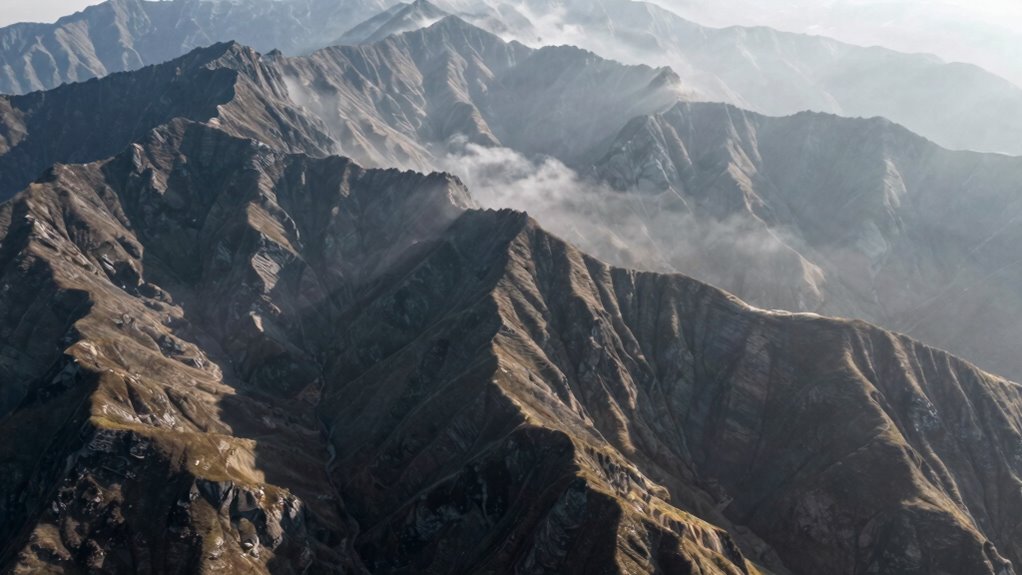

Your terrain plays a vital role in amplifying tiny weather differences around you. Small features like hills, slopes, and valleys can create microclimates by affecting sunlight, wind flow, and air temperature. For example, slopes facing the sun warm up more, while shaded areas stay cooler. Ridges block or redirect wind, shaping local humidity and airflow. These subtle features combine to produce highly localized weather conditions, and understanding how terrain influences them can reveal many more intriguing details.

Get travel and outdoor gear delivered free with Prime
- Fast, free delivery on millions of items
- Prime Video, Amazon Music and more included
- Member-only deals all year
Key Takeaways
- Small terrain features like hills and valleys create microclimates by altering local temperature, humidity, and wind patterns.
- Terrain shape influences sunlight exposure, causing temperature variations on slopes and shaded areas.
- Elevated features induce cooler microclimates, while leeward sides form rain shadows, impacting local weather.
- Hills and ridges redirect or block wind flow, creating sheltered zones or gusty exposed areas.
- Tiny terrain variations amplify minor weather differences, resulting in diverse environmental conditions over short distances.

Even small variations in terrain can lead to noticeable differences in weather patterns, shaping the local climate in ways you might not expect. You might think that big mountains or vast valleys are the main influencers, but tiny changes in the landscape can create significant microclimate effects. When you pay attention to these subtle differences, you’ll realize how terrain influences temperature, humidity, wind, and sunlight, often in surprising ways. Elevation impacts are one of the most obvious ways terrain amplifies tiny weather differences**, as higher elevations tend to be cooler and less dense, affecting local conditions. As you go higher, the air thins out, temperatures drop, and the atmosphere becomes less dense. This means that even a small increase in elevation can lead to cooler conditions compared to surrounding areas. For example, a hill or a small ridge might be enough to create a cooler microclimate on its windward side, where air cools and condenses, often leading to localized fog or dew. Conversely, the leeward side may be warmer and drier, forming a rain shadow effect. These elevation impacts are subtle but powerful, shaping the local environment in ways that affect plant growth, animal behavior, and even human activity. Recognizing how elevation changes influence microclimates helps to better understand these localized weather phenomena. Additionally, understanding terrain features can assist in predicting how weather might shift with changing conditions, which is especially useful in climate-sensitive areas. Microclimate effects are similarly influenced by terrain’s shape and features. A narrow valley might trap cold air, making it colder than surrounding higher ground, especially overnight. In fact, terrain shape can significantly modify local temperature and humidity levels, creating diverse conditions within short distances. Moreover, the orientation of slopes plays a crucial role in determining how much sunlight different areas receive throughout the day, further affecting microclimate variations. Conversely, a south-facing slope** in the northern hemisphere can receive more sunlight, warming the ground and air more than shaded areas. You might notice this when walking through a hilly region, where certain patches of ground feel significantly warmer or cooler due to their orientation and position. These tiny weather differences can impact farming, gardening, and even outdoor planning, as microclimates determine what plants thrive or struggle in specific spots. Recognizing microclimate effects helps in understanding how terrain influences local weather conditions on a small scale. Moreover, these microclimates can vary even within short distances, creating a patchwork of diverse environmental conditions. Terrain’s influence extends to **wind patterns as well. Hills and ridges can block or redirect airflow, creating sheltered zones or gusty spots. A small hill might shield you from strong winds, making your outdoor space more comfortable, while a nearby exposed ridge might experience relentless gusts. These wind variations not only affect comfort but can also influence evaporation rates, soil moisture, and the dispersal of pollutants or pollen. Additionally, wind patterns influenced by terrain can impact local weather phenomena such as cloud formation or precipitation distribution. In essence, terrain acts as a natural amplifier of tiny weather differences. It’s not just the big landscape that shapes the weather, but the subtle features that create localized conditions. By understanding elevation impacts and microclimate effects, you gain a deeper appreciation of how even minor changes in terrain can have a profound influence** on the environment around you.
As an affiliate, we earn on qualifying purchases.
Frequently Asked Questions
How Do Specific Landforms Influence Local Weather Patterns?
You can see that specific landforms shape local weather by creating microclimate formations and terrain-induced rainfall. Hills and mountains force moist air upward, cooling it and causing rain on one side, while the other remains drier. Valleys may trap cold air, affecting temperature. These features cause unique weather patterns in small areas, making terrain an essential factor in understanding local climate variations and microclimate development.
Can Terrain Changes Affect Climate Over Long Periods?
Terrain changes can shape climate over long periods, acting like a sculptor for regional patterns. You might not notice it daily, but microclimate formations develop around hills, valleys, and urban heat islands, gradually influencing broader climate trends. As landforms evolve or urban areas expand, they alter local energy balances, potentially shifting climate conditions over decades. So, yes, terrain changes can indeed leave a lasting imprint on the climate’s canvas.
What Role Does Vegetation Play in Terrain-Related Weather Variations?
Vegetation influences terrain-related weather variations by creating microclimate effects around it. You’ll notice that dense forests or lush green areas tend to retain moisture, lower temperatures, and increase humidity, shaping local weather patterns. These microclimates can differ markedly from surrounding areas, amplifying terrain’s impact. By affecting wind flow and temperature regulation, vegetation plays a vital role in shaping localized weather, making terrain and plant cover essential in understanding climate differences over small regions.
How Quickly Can Terrain-Induced Weather Differences Develop?
You might think terrain changes take days to influence weather, but microclimate formation can occur quickly—within hours—especially with significant topography impact. Steep slopes, valleys, or shaded areas can create noticeable weather differences in a short time. This rapid development results from how terrain influences airflow, sunlight, and moisture. So, in many cases, terrain-induced weather variations can develop almost instantly, shaping local conditions faster than you’d expect.
Are Certain Terrains More Prone to Extreme Weather Events?
Certain terrains are more prone to extreme weather events, especially areas with diverse microclimate zones. For example, urban heat islands intensify heatwaves, making cities hotter than surrounding regions. Mountainous terrains can trigger intense storms and heavy rainfall due to rapid air elevation changes. Flat, coastal regions might experience hurricanes or flooding more frequently. Your environment’s terrain directly influences its vulnerability to extreme weather, emphasizing the importance of understanding local microclimates and urban heat effects.
Conclusion
So, next time you stand atop a mountain or gaze over a valley, realize you’re witnessing the universe’s tiniest weather secrets magnified into grand, roaring phenomena. Your small steps across rugged terrain can stir up storms or clear skies, turning plain landscapes into dramatic weather theaters. It’s as if the earth itself whispers, “Watch this,” transforming minor shifts into colossal atmospheric displays. Remember, in the domain of weather, even a whisper of terrain can release a symphony of chaos or calm.
Halloween Picks
halloween
As an affiliate, we earn on qualifying purchases.