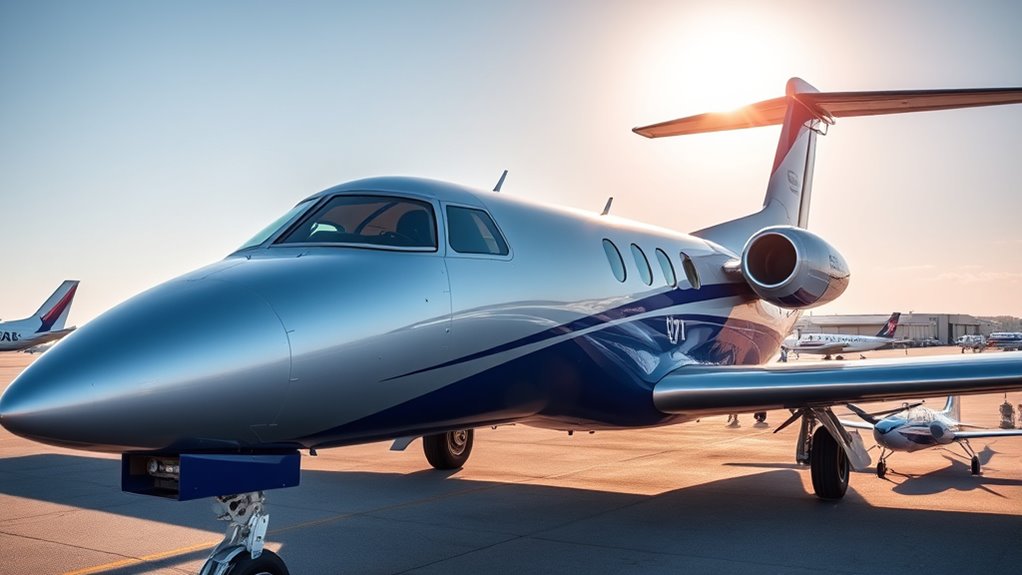
Club aircraft are versatile, reliable planes built for pilot training, recreational flying, and various roles. They come in different variants, from simple two-seaters to more advanced models, allowing you to choose based on your needs. Their forgiving handling makes them easy to operate and helps build confidence. Maintenance is straightforward, ensuring less downtime and cost. If you explore further, you’ll discover how these aircraft adapt to different missions and user requirements effortlessly.
Key Takeaways
- Club aircraft range from basic two-seaters to advanced models, offering different engine powers and equipment options.
- Variants are designed for versatility, supporting various flight missions and pilot skill levels.
- Easy handling and forgiving flight characteristics make them ideal for pilot training and recreational flying.
- Modular designs allow for upgrades and modifications, extending aircraft lifespan and capabilities.
- Maintenance is straightforward and cost-effective, emphasizing durability and reliability for frequent club use.

Have you ever wondered what makes club aircraft a popular choice for flying enthusiasts? It often comes down to their versatility, affordability, and the sense of community they foster among pilots. These aircraft are designed for a variety of roles, from recreational flying to pilot training, making them ideal for those looking to develop skills or enjoy leisure flights. One of the key aspects that attract many to club aircraft is their suitability for flight training. They’re typically straightforward to operate, with forgiving handling characteristics that help new pilots build confidence. The aircraft’s design often features simple instrumentation and controls, which streamline the learning process. When you’re starting out, the stability and predictable performance of club aircraft make practicing essential skills like takeoffs, landings, and navigation less stressful. Beyond training, club aircraft are built for ease of maintenance, which means that the maintenance procedures are generally accessible and less costly. This lower maintenance complexity appeals to clubs and individual owners alike, ensuring these aircraft stay airworthy without excessive downtime or expense. Regular maintenance routines, such as inspecting the engine, checking control surfaces, and ensuring the airframe is free of corrosion, keep these planes in top condition. Because club aircraft are used frequently for flight training and recreational flights, adhering to strict maintenance procedures is essential for safety and reliability. These procedures often follow manufacturer guidelines and aviation authority standards, providing a consistent framework that keeps the aircraft safe and efficient. The design of club aircraft also emphasizes reliability and durability, which is indispensable when they are used extensively for training and leisure. Their variants range from simple two-seaters perfect for short trips to more advanced models capable of longer flights with additional comfort features. Variants differ primarily in their size, engine power, and equipment, but all maintain the core qualities that make them popular among pilots. This adaptability allows clubs to choose aircraft best suited for their specific needs, whether it’s for solo practice or group flights. Moreover, the modular nature of many club aircraft variants makes upgrades and modifications more manageable, extending their useful lifespan and enhancing capabilities over time. Overall, the combination of user-friendly flight characteristics, manageable maintenance procedures, and versatile variants makes club aircraft an attractive option for flying enthusiasts. They not only serve as excellent platforms for learning and enjoyment but also promote safe, cost-effective aviation experiences. Whether you’re just starting or expanding a flying club, understanding these aircraft’s capabilities helps you make informed decisions that align with your flying goals.
Frequently Asked Questions
What Are the Safety Standards for Club Aircraft?
You should guarantee your club aircraft meet strict aviation safety standards, which include adherence to aircraft certification requirements set by aviation authorities. These standards cover regular maintenance, thorough inspections, and proper pilot training. By following certification protocols and maintaining up-to-date safety procedures, you help minimize risks and ensure safe flying experiences. Always stay informed about current regulations and best practices to uphold the highest safety standards for your aircraft and passengers.
How Do Club Aircraft Maintenance Routines Vary?
Picture yourself inside a well-maintained club aircraft, where maintenance routines keep it flying smoothly. You’ll notice that maintenance schedules vary based on aircraft usage and model, requiring tailored inspection procedures. Regular checks, such as pre-flight inspections and periodic servicing, guarantee safety. Some clubs follow strict schedules, while others adapt based on flight hours or seasons. Staying attentive to these routines keeps the aircraft dependable and ready for your next adventure.
What Are the Typical Costs Associated With Club Aircraft Ownership?
When considering club aircraft ownership, expect a cost breakdown that includes fixed expenses like hangar fees, insurance, and annual maintenance, plus variable costs such as fuel and repairs. Ownership expenses can range from a few thousand dollars annually for minor upkeep to considerably more for larger aircraft or extensive maintenance. Budgeting for these costs helps you manage your finances effectively and ensures smooth aircraft operation and ownership satisfaction.
How Do Different Club Aircraft Models Compare in Performance?
Imagine you’re piloting a sleek, vintage aircraft—each model varies in performance. You’ll find newer models excel in engine efficiency, saving fuel and reducing costs, while older ones might offer more cabin comfort. Compare the aircraft’s capabilities: some deliver faster speeds and better altitude performance, whereas others prioritize comfort over raw power. Ultimately, your choice depends on your flying needs—balancing performance with comfort, just like choosing the right device for your tech-savvy lifestyle.
What Training Is Required to Pilot Various Club Aircraft?
You need to meet pilot certification requirements for each club aircraft model you want to fly. This usually involves completing specific training programs, including simulator training programs that help you familiarize yourself with the aircraft’s controls and systems. You’ll also need to pass written and practical exams. The training varies depending on the aircraft’s complexity, so verify you follow the club’s guidelines to operate each aircraft safely and confidently.
Conclusion
Think of club aircraft as a versatile fleet of explorers, each variant like a different compass pointing you toward adventure. Whether you’re seeking swift skies or cozy corners, these aircraft adapt like seasoned guides, leading you smoothly through the clouds. Their capabilities form a tapestry of options, ready to fulfill your aerial dreams. With this understanding, you’re now equipped to choose your perfect winged companion—your own trusted vessel in the vast, open sky.