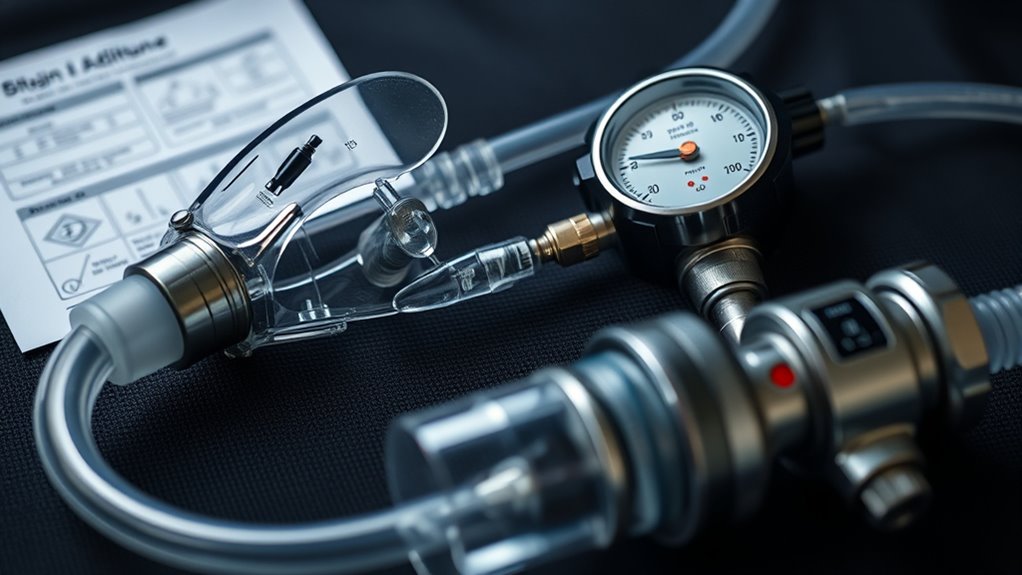

To deal with high-altitude hypoxia, you should use effective oxygen systems like portable masks and cabin pressurization techniques. These systems deliver oxygen directly to your nose and mouth and regulate cabin altitude to maintain safe oxygen levels. Regularly operating and maintaining these systems, following safety regulations, and understanding emergency procedures help prevent hypoxia risks. If you want to learn more about how these systems work together, there’s valuable information ahead.

Get travel and outdoor gear delivered free with Prime
- Fast, free delivery on millions of items
- Prime Video, Amazon Music and more included
- Member-only deals all year
Key Takeaways
- Portable oxygen masks provide immediate oxygen supply during hypoxia incidents at high altitude.
- Cabin pressurization systems regulate cabin altitude to maintain safe oxygen levels automatically.
- Regular maintenance and proper operation of oxygen and pressurization systems ensure safety and compliance.
- Automatic deployment of oxygen masks activates if cabin pressure drops unexpectedly, enhancing safety.
- Adherence to regulations and proper training ensure effective use of oxygen systems during high-altitude operations.
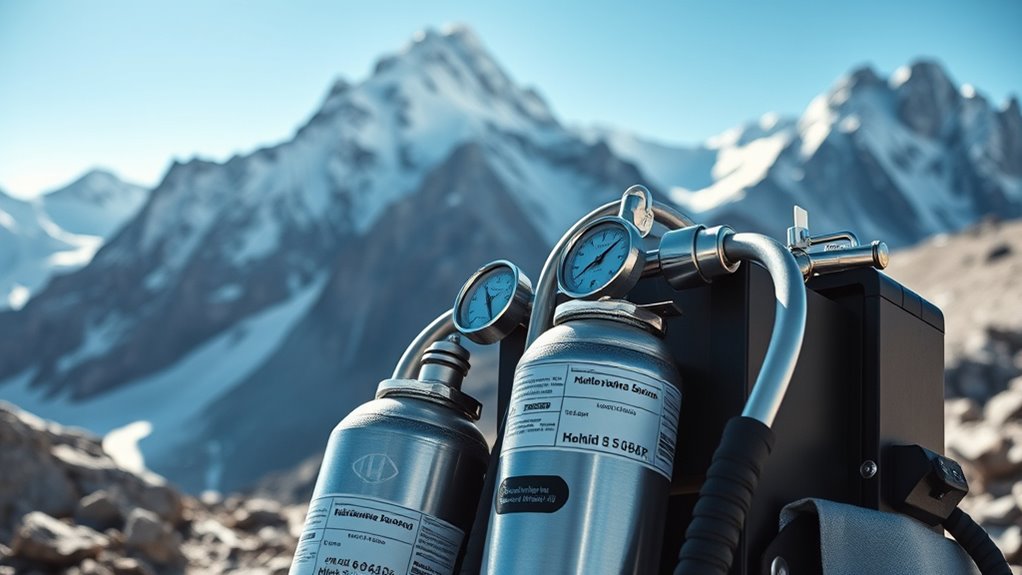
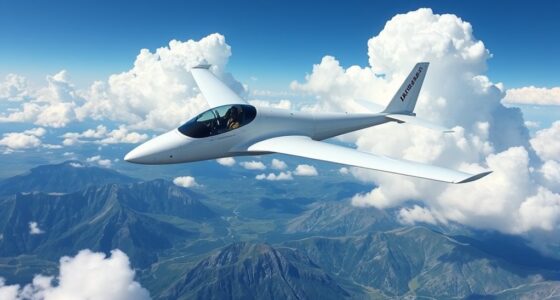
High-altitude hypoxia oxygen systems are essential tools designed to combat the low oxygen levels encountered at high elevations. When you find yourself operating in such environments, ensuring adequate oxygen supply becomes critical for safety and performance. Portable oxygen masks are among the most accessible and effective solutions. These masks are lightweight, easy to carry, and can be quickly donned in an emergency. They connect to portable oxygen tanks, providing a direct flow of oxygen to your nose and mouth, which is vital when ambient oxygen drops below safe levels. Whether you’re piloting an aircraft, conducting high-altitude research, or engaging in mountain rescue, having a portable oxygen mask on hand can make the difference between safe operation and serious health risks like hypoxia.
Alongside portable oxygen masks, cabin pressurization techniques play a fundamental role in managing oxygen levels in aircraft cabins. Modern aircraft are equipped with sophisticated pressurization systems that regulate cabin altitude, maintaining it at a safe equivalent of around 6,000 to 8,000 feet, even when flying much higher. This is achieved through automatic cabin pressure controls, which adjust outflow valves and compressor systems to keep oxygen levels stable. As a crew member or passenger, understanding how these systems work helps you recognize their importance. When cabin pressure drops unexpectedly, oxygen masks automatically deploy to provide immediate relief, but knowing the importance of the pressurization system helps you appreciate the layered safety measures in place. Maintaining proper system operation is crucial for consistent oxygen supply and safety during flight.
You should also be familiar with cabin pressurization techniques because they’re designed to prevent hypoxia in the first place. Proper maintenance and operation of pressurization systems ensure that oxygen levels stay within safe limits during flight. If you’re involved in aircraft operation or maintenance, adhering to strict protocols and regular system checks is crucial. Additionally, knowing how to switch to backup systems or manual controls can be lifesaving if the primary pressurization fails. Combining the use of portable oxygen masks with reliable cabin pressurization techniques offers a comprehensive safety net against the dangers of high-altitude hypoxia.
portable oxygen mask for high altitude
As an affiliate, we earn on qualifying purchases.
As an affiliate, we earn on qualifying purchases.
Frequently Asked Questions
How Do Oxygen Systems Differ Between Commercial and Recreational Aviation?
In commercial aviation, oxygen systems use centralized oxygen delivery with certified systems designed for passenger safety and compliance. Recreational aviation often relies on portable oxygen supplies, which are less complex and not always certified. You’ll find that commercial systems are automated and integrated, while recreational setups may require manual operation. Understanding system certification and oxygen delivery methods helps you choose the right equipment for safe high-altitude flying.
Are There International Standards for High-Altitude Oxygen Equipment?
International standards for high-altitude oxygen equipment do exist, setting guidelines for safety and performance. You should follow the oxygen regulation outlined by organizations like ICAO and FAA, which specify requirements for oxygen supply, system reliability, and emergency procedures. These standards guarantee your equipment functions correctly at altitude, helping to prevent hypoxia. Always verify that your oxygen systems meet these international standards before flying at high altitudes.
What Training Is Required to Operate Oxygen Systems Safely?
You’ll need thorough training in oxygen safety and emergency procedures to operate oxygen systems safely. This includes understanding how to correctly don masks, manage oxygen flow, and respond swiftly if equipment fails. While it might seem like a simple task, don’t underestimate the importance of proper training—after all, you wouldn’t want to turn a high-altitude rescue into a comedy of errors. Master these skills, and you’ll keep everyone breathing easy.
How Often Should Oxygen Systems Be Inspected and Maintained?
You should perform regular inspections and follow a strict maintenance schedule for oxygen systems, typically at least once every 6 to 12 months. During inspections, you check for leaks, proper operation, and cleanliness. Adhering to the manufacturer’s inspection procedures guarantees safety and compliance. Consistent maintenance prevents system failures at high altitudes, helping you respond effectively to hypoxia risks. Always document all inspections and repairs thoroughly.
Can Portable Oxygen Systems Be Used in Emergency Situations?
Yes, portable oxygen systems are essential for emergency preparedness. You can use portable oxygen in emergency situations to quickly provide supplemental oxygen when someone shows signs of hypoxia or faces a sudden altitude drop. These systems are designed for easy use and quick deployment, making them valuable in unexpected scenarios such as aircraft emergencies or sudden altitude changes. Always guarantee your portable oxygen is properly maintained and accessible for emergencies.
Conclusion
Now that you understand how essential oxygen systems are at high altitude, remember to always follow current regulations to stay safe. Don’t be like Icarus flying too close to the sun—use the right gear and procedures to avoid hypoxia. With proper planning and equipment, you can conquer the skies without risking your health. So, stay vigilant, keep your oxygen systems in check, and enjoy your ascent—just like the pioneers of flight before you.
Halloween Picks
halloween
As an affiliate, we earn on qualifying purchases.