
Flight debriefing helps you learn from every flight by encouraging honest feedback and thorough analysis. It turns each experience into a chance to identify successes and areas needing improvement. By reviewing flight data, crew insights, and procedures, you can spot issues early and refine your skills. Promoting an open, blame-free culture makes safety and efficiency your priorities. Staying committed to debriefing bolsters your professionalism and ensures each flight gets better—there’s more to discover as you continue.
Open a free Amazon Business account
Business pricing, bulk buying and tax-exempt orders.
As an affiliate, we earn on qualifying purchases.
Key Takeaways
- Flight debriefing turns each flight into a learning opportunity by analyzing crew feedback and flight data.
- Open, blame-free communication fosters a safety culture that encourages honest reflection and continuous improvement.
- Reviewing cockpit recordings and technical data helps identify strengths and areas needing enhancement.
- Debriefing promotes skill development, better decision-making, and adherence to operational procedures.
- Consistent debriefs build a foundation for ongoing safety, professionalism, and improved flight performance.
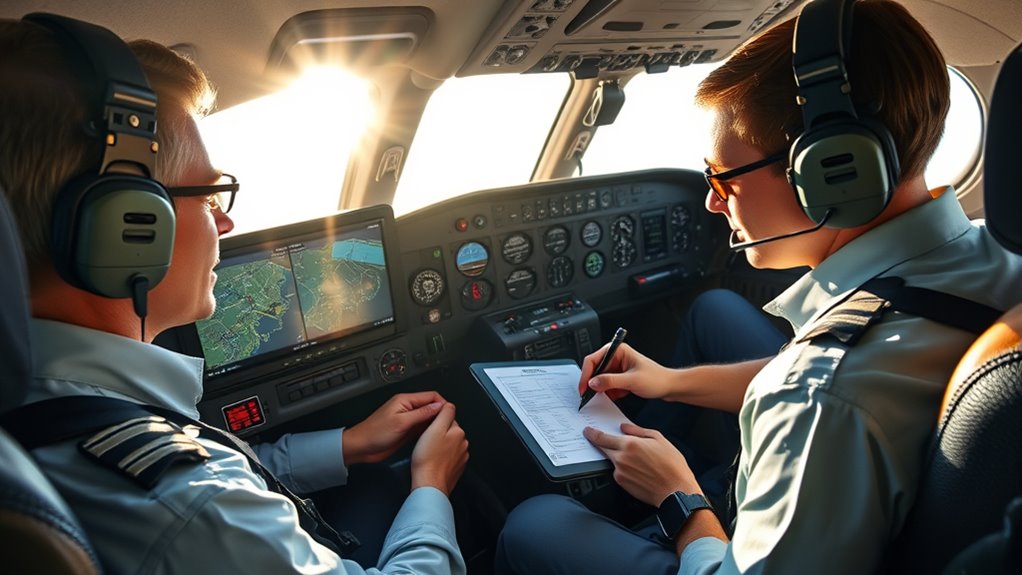
Have you ever wondered how pilots improve after each flight? The answer lies in the essential process of flight debriefing, where every journey becomes a learning opportunity. After a flight, pilots and crew gather to review what happened, focusing on crew feedback and conducting a thorough post-flight analysis. This step is critical because it helps identify what went well and pinpoint areas for improvement. You might think of it as an honest conversation about the flight’s successes and challenges, aimed at refining skills and enhancing safety.
During the debriefing, crew feedback plays a key role. Everyone involved shares their perspectives, highlighting issues that may not be immediately obvious during the flight. For instance, a crew member might note that a communication protocol could be clearer or that a specific maneuver was more difficult than anticipated. This feedback isn’t about assigning blame; it’s about understanding the realities faced during the flight and learning how to handle similar situations better in the future. Listening carefully to crew feedback helps uncover insights that can improve operational procedures and teamwork, making everyone more prepared for what’s ahead.
The post-flight analysis builds on this feedback by systematically reviewing data, instruments, and procedures used during the flight. It involves examining flight data recordings, cockpit recordings, and maintenance reports to get an objective view of the flight’s performance. This analysis helps identify if any technical issues contributed to difficulties or if procedures were followed correctly. It also evaluates how well the crew responded to unexpected events, such as turbulence or system failures. By scrutinizing these details, you can develop targeted strategies to address weaknesses and reinforce strengths, ensuring continuous improvement.
Importantly, flight debriefing isn’t a one-way process; it’s a continuous cycle that encourages openness and accountability. When you embrace crew feedback and post-flight analysis, you foster a culture of learning rather than blame. This mindset leads to safer, more efficient flights and helps pilots develop their skills more effectively. Over time, the insights gained from these discussions contribute to better training programs, updated protocols, and more confident decision-making. The effort invested in debriefing transforms each flight into a stepping stone for growth, ensuring that every journey makes you a better pilot.
In the end, flight debriefing isn’t just about reviewing past flights; it’s about shaping future ones. By actively engaging in crew feedback and detailed post-flight analysis, you build a foundation of continuous improvement that benefits everyone on board. It’s the key to turning experiences into lessons, making every flight safer, smoother, and more professional.
As an affiliate, we earn on qualifying purchases.
Frequently Asked Questions
How Often Should Flight Debriefings Be Conducted?
You should conduct flight debriefings after every flight to guarantee effective post-flight analysis and maintain crew communication. Regular debriefs help identify issues, share insights, and improve safety and performance. By consistently reviewing each flight, you create a culture of continuous learning, allowing the crew to address problems promptly and reinforce best practices. Make sure to hold these debriefings promptly after each flight for maximum impact and ongoing improvement.
Who Should Lead the Debriefing Sessions?
You should lead your debriefing sessions, as it fosters honest pilot communication and encourages a culture of continuous improvement. When you take charge, you set the tone for open discussion and constructive feedback. Consistent debriefing frequency ensures everyone stays engaged and learns from each flight. By leading, you demonstrate commitment to safety and growth, making the debriefing a valuable tool for refining your skills and enhancing team performance.
What Tools Are Best for Effective Debriefing?
You should use tools like simulation review software and structured peer feedback forms for effective debriefing. Simulation review helps you analyze flight data visually, identify strengths and areas for improvement, while peer feedback provides diverse perspectives and constructive insights. Combining these tools encourages active participation, fosters learning, and guarantees the debriefing session remains focused and productive, ultimately enhancing your skills and safety awareness.
How to Handle Sensitive Feedback During Debriefings?
When handling sensitive feedback, you should use emotional intelligence to stay calm and empathetic. Deliver constructive criticism carefully, focusing on specific actions rather than personalities. Ask open-ended questions to encourage dialogue and show you value their perspective. By maintaining a supportive tone and being mindful of emotions, you create a safe environment where team members feel comfortable accepting feedback and learning from each flight experience.
Can Debriefings Improve Pilot Safety and Decision-Making?
Debriefings can boost your pilot safety and decision-making by 30%, according to recent studies. When you reflect on your pilot communication and cockpit ergonomics, you identify errors and improve responses. These sessions encourage open dialogue, helping you recognize issues before they escalate. By actively participating in debriefs, you enhance situational awareness, refine skills, and make better decisions, ultimately creating a safer flying environment for you and your crew.
Conclusion
By consistently debriefing after each flight, you reinforce learning and improve safety. Some believe that reflection alone isn’t enough; it’s the active process of analyzing mistakes that truly fosters growth. Research shows that deliberate debriefing helps pilots remember lessons and adapt quickly. So, embrace every post-flight review as a chance to sharpen your skills. When you learn from every flight, you’re not just flying—you’re becoming a safer, more confident pilot.
Flea & tick season Picks
flea and tick prevention
As an affiliate, we earn on qualifying purchases.