
To avoid airspace violations, you need to understand airspace classifications, get necessary permissions, and stay updated on temporary restrictions. Always double-check NOTAMs and plan your flight thoroughly with checklists. Don’t ignore regulations or local guidelines, and maintain good communication with authorities. Remember, underestimating aircraft capabilities or flying near no-fly zones can cause serious issues. Staying vigilant and disciplined helps you stay compliant—continue exploring to learn more about common mistakes and how to prevent them.

Get travel and outdoor gear delivered free with Prime
- Fast, free delivery on millions of items
- Prime Video, Amazon Music and more included
- Member-only deals all year
Key Takeaways
- Misinterpreting airspace boundaries and symbols can lead to accidental violations; always study charts carefully.
- Failing to check for temporary flight restrictions (TFRs) and NOTAMs increases risk of entering restricted zones unknowingly.
- Skipping pre-flight checklists and permits can cause oversight of airspace rules and lead to violations.
- Flying too close to airports or helipads without proper clearance can result in unintentional airspace breaches.
- Underestimating aircraft speeds and sensor limitations may cause misjudgments, increasing violation risks.
airspace charts for drone pilots
As an affiliate, we earn on qualifying purchases.
As an affiliate, we earn on qualifying purchases.
Misinterpreting Airspace Classifications
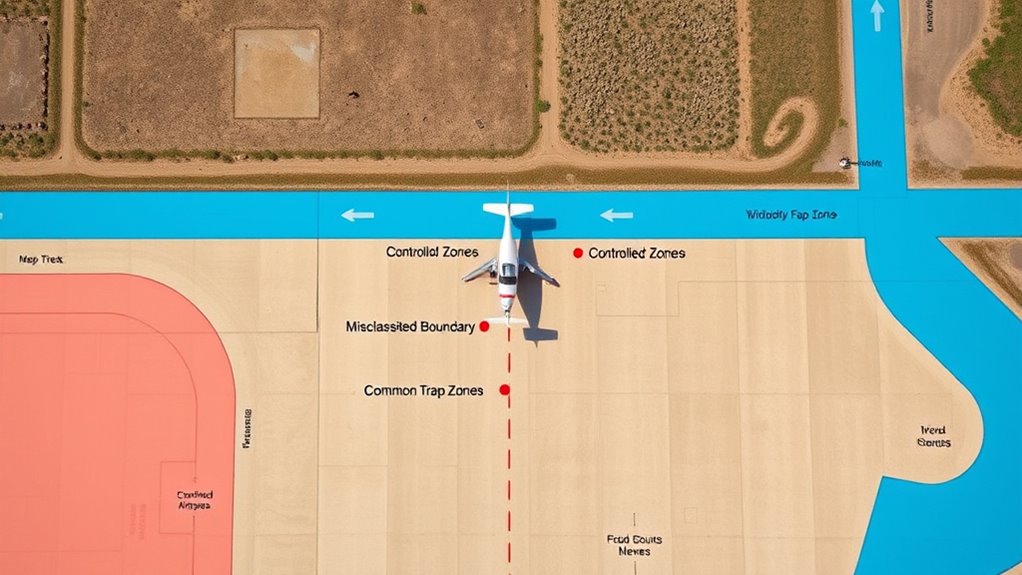
Have you ever wondered how misinterpreting airspace classifications can lead to violations? It all starts with understanding airspace boundaries and what the classification symbols indicate. Each airspace type, from Class G to Class A, has specific rules, restrictions, and altitude limits. Misreading these boundaries or confusing symbols can cause you to unintentionally enter restricted or controlled airspace. For example, mistaking a Class B boundary for a less restrictive zone might lead you into controlled airspace without proper clearance. Paying close attention to the symbols on your charts and maps is essential. Remember, accurate interpretation helps you stay within legal limits and avoid violations, ensuring safe, compliant flights. Proper knowledge of airspace boundaries and symbols keeps you in control. Additionally, understanding home essentials such as charts and regulations can further support safe navigation.
Failing to Obtain Necessary Permissions

You need to understand airspace classifications to know when permissions are required. Securing flight permits early helps you avoid violations and delays. Recognize any permit exceptions that might apply to your operation to stay compliant. Being aware of industry trends can further assist in navigating changing regulations.
Understanding Airspace Classifications
Understanding airspace classifications is essential to avoid violations that can lead to legal penalties or safety hazards. You need to know where the different airspace boundaries lie, as each classification has specific rules. Ignoring these boundaries or assuming they haven’t changed can cause unintentional violations. Stay informed about classification updates, which may alter permission requirements or restrict certain operations. For example, a space categorized as controlled airspace might require you to obtain special clearances before flying. Failing to understand these distinctions risks flying into restricted zones without authorization. Regularly check official notices and updates to keep your knowledge current. Being aware of airspace classifications ensures you operate safely and legally, avoiding costly mistakes and potential enforcement actions. Additionally, understanding Vetted – Grobal World concepts related to airspace and regulations can provide a broader perspective on compliance requirements.
Securing Flight Permits Early
Why is securing flight permits early so crucial? It ensures compliance with airspace security regulations and prevents costly delays. Without proper permits, you risk violating airspace boundaries, leading to penalties or forced reroutes. To avoid this, you should:
- Research permit requirements well in advance for each airspace segment.
- Submit applications early to account for processing times.
- Confirm receipt and approval before your flight date.
- Stay updated on any permit conditions or restrictions to maintain permit compliance.
- Recognize that airspace security measures are continually evolving, making early planning essential.
Failing to obtain necessary permissions can result in violations, delays, or legal issues. Securing permits early not only safeguards your flight plan but also demonstrates your commitment to airspace security. Proactively managing permits helps you avoid common traps and ensures smooth, compliant operations.
Recognizing Permit Exceptions
While securing permits is the standard requirement for most airspace segments, there are specific exceptions where permissions may not be necessary. Recognizing these permit exemptions is vital to avoid violations. Regulation exceptions often apply in cases such as operations in uncontrolled airspace, federal or military zones with designated permit exemptions, or flights conducted under certain conditions outlined by authorities. You must understand when your activity qualifies for a permit exemption to prevent unnecessary delays or penalties. Keep in mind that even if a permit exemption exists, proper documentation and adherence to guidelines are essential. Knowing when regulation exceptions apply helps guarantee compliance and smooth operations, reducing the risk of airspace violations caused by failing to obtain or recognize the need for permissions. Additionally, understanding the airspace classifications and their specific regulations can further help in identifying when permits are required or waived.
Overlooking Temporary Flight Restrictions

Overlooking Temporary Flight Restrictions (TFRs) can lead to serious consequences, as these restrictions are put in place for safety, security, or special events. Ignoring TFRs means you might unintentionally enter restricted airspace, risking fines, grounding, or legal trouble. To stay compliant, you should:
- Check for active TFRs before each flight.
- Review NOTAMs for updates on restricted airspace.
- Understand the boundaries and durations of TFRs.
- Plan alternative routes to avoid restricted airspace during TFRs.
- Remember that airspace restrictions are enforced for important reasons, and respecting them is essential for safe, legal flying. Always verify the status of restricted airspace before takeoff.
Failing to recognize these temporary flight restrictions jeopardizes safety and violates regulations. Remember, TFRs are enforced for important reasons, and respecting them is essential for safe, legal flying. Always verify the status of restricted airspace before takeoff.
Inadequate Flight Planning and Pre-Checklists
You need to guarantee your flight plan is thorough and accurate before takeoff. Skipping or rushing through completeness checks can lead to missed airspace restrictions or other issues. Rigorously following your pre-flight checklist helps catch errors and keeps you compliant with regulations. Additionally, understanding airspace classifications ensures you are aware of the specific rules applicable to your flight path.
Flight Plan Completeness Checks
Incomplete flight plan checks and inadequate pre-flight checklists can lead to serious airspace violations. To guarantee compliance, focus on these key points:
- Verify that your flight plan accurately reflects your intended route, including all waypoints and altitudes.
- Confirm the correct airspace classification along your route to avoid unintentional incursions.
- Conduct thorough flight plan validation, ensuring all details meet regulatory requirements.
- Cross-check navigation aids and communication frequencies to prevent miscommunications or errors during the flight.
- Understand the importance of airspace regulations to ensure all aspects of your flight remain within legal boundaries.
Pre-Flight Checklist Rigor
Ensuring your pre-flight checklist is thorough and rigorous is essential to prevent airspace violations caused by inadequate planning. A well-executed pre-flight safety check minimizes overlooked details and maintains checklist discipline, reducing the risk of missing critical steps. Consistently reviewing each item guarantees your aircraft is prepared and compliant with airspace regulations. Rushing or skipping parts of the checklist can lead to dangerous oversights, such as unverified navigation data or incomplete communication setups. By maintaining discipline and dedicating sufficient time to your pre-flight routine, you reinforce safety and regulatory adherence. Remember, a meticulous pre-flight checklist isn’t just about safety; it’s about preventing violations before they happen, keeping your flight smooth and compliant from start to finish.
Ignoring Notams and Notices to Airmen
Ignoring Notams and Notices to Airmen can lead to serious airspace violations, as these messages contain critical information about temporary restrictions, hazards, and operational changes. Missing out on notam updates and airspace alerts means you might unknowingly enter restricted areas or overlook hazards. To stay compliant, you should:
- Regularly check for updated notam information before each flight.
- Pay close attention to airspace alerts issued for your route.
- Verify if temporary restrictions affect your planned altitude or route.
- Respond promptly to any urgent notices that could impact safety or legality.
- Understanding the significance of airspace classification helps pilots interpret restrictions and permissions more effectively.
Failing to do so increases the risk of unintentional violations, penalties, or dangerous situations. Staying current with notam updates ensures you’re aware of the latest restrictions and hazards, keeping your flight safe and compliant.
Flying Too Close to Airports and Helipads

Have you ever flown too close to an airport or helipad? It’s a common mistake, often caused by misjudging visual altitude amid rising ambient noise. Flying near these areas can lead to unintentional violations, especially if you don’t account for the noise masking nearby aircraft or airport operations. To stay safe, always maintain a safe distance and be aware of your surroundings. Recognizing airspace violations early can help prevent serious consequences and ensure compliance with regulations.
Underestimating Drone and Aircraft Capabilities
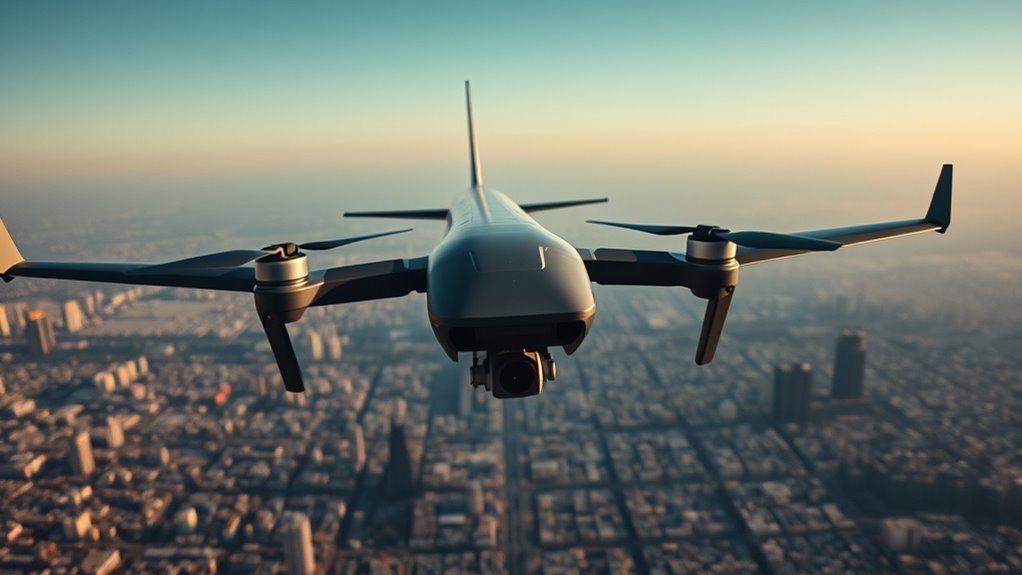
Many drone operators underestimate how quickly and effectively aircraft and drones can move, often assuming they have more time and space than they actually do. Aircraft have speed limitations that limit their response times, and drone sensor capabilities vary widely, affecting detection. To stay safe, consider these points:
- Aircraft can reach speeds of over 300 knots, closing distances rapidly.
- Drone sensors might not detect fast-moving aircraft until too late.
- Even slow aircraft can cover significant distances in seconds.
- Underestimating these factors risks collisions and violations.
Understanding aircraft speed limitations and drone sensor capabilities helps you anticipate movements accurately. Don’t assume you have extra time; always maintain a safe distance and stay alert to avoid airspace violations caused by misjudging capabilities.
Neglecting Local Regulations and Guidelines
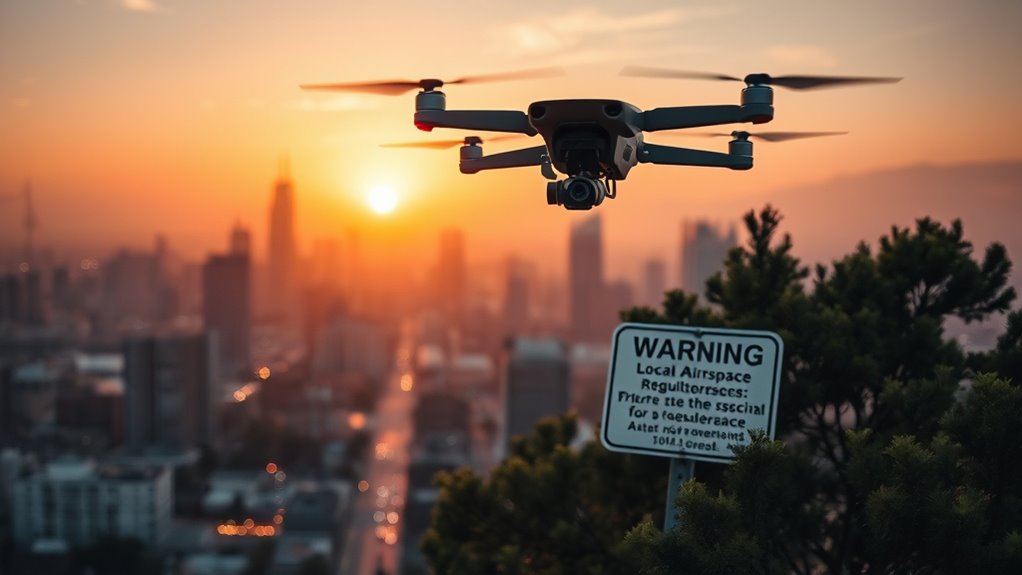
Failing to familiarize yourself with local regulations and guidelines can lead to serious violations and legal consequences. Every region has specific rules governing drone operations, including altitude limits, restricted zones, and flight permissions. Ignoring these local regulations and regional guidelines increases the risk of unintentionally entering no-fly areas or exceeding permitted altitudes. Before flying, always research the jurisdiction’s requirements and update yourself on any recent changes. This knowledge helps you avoid fines, penalties, or even criminal charges. Remember, regulations can vary markedly between locations, so what’s allowed in one area may be prohibited in another. By respecting local regulations and regional guidelines, you demonstrate responsible flying and reduce the risk of violations that could compromise safety and legality.
Poor Communication With Air Traffic Control

Poor communication with air traffic control can lead to dangerous situations, especially if you don’t provide clear, timely updates about your position and intentions. Effective radio communication is indispensable for maintaining a strong pilot-controller rapport and ensuring safety. Without it, misunderstandings can occur, risking airspace violations. To improve clarity, remember to:
- Speak clearly and state your intentions precisely.
- Confirm instructions to avoid misinterpretation.
- Use proper radio etiquette to maintain professionalism.
- Listen carefully and acknowledge messages promptly.
Building trust through consistent communication helps controllers assist you effectively and reduces the chance of conflicts. Regular, transparent updates ensure controllers are aware of your location and plans, making it easier to coordinate and avoid violations. Good radio communication is a crucial part of safe airspace navigation.
Lack of Awareness of Geofencing and No-Fly Zones
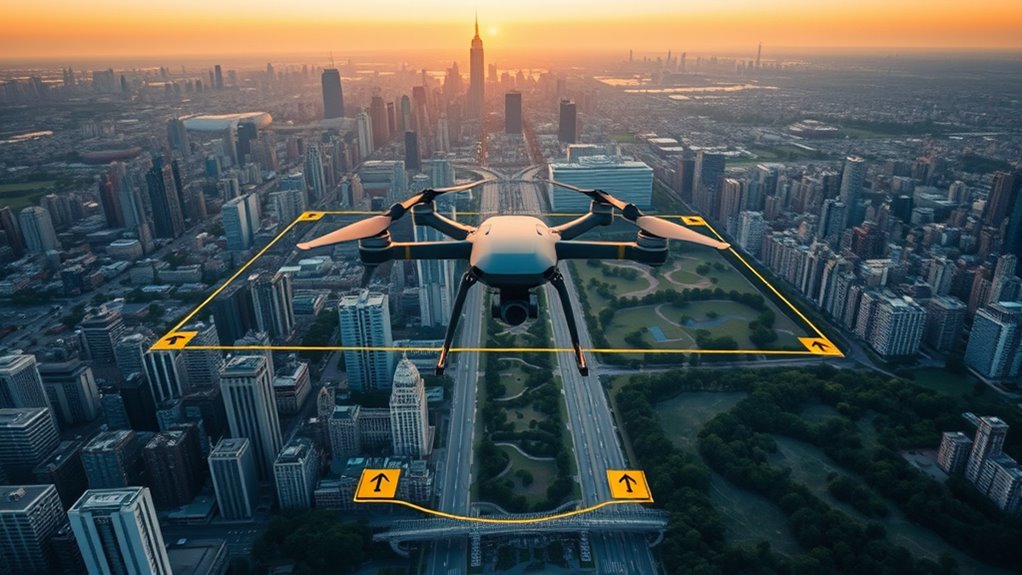
A lack of awareness about geofencing and no-fly zones can lead to serious violations, especially if you aren’t familiar with the boundaries set for safe airspace. Without proper geofencing awareness, you might unknowingly enter restricted areas, risking penalties or safety issues. No fly zone awareness is essential for avoiding these zones, which are often marked by official alerts or digital warnings. Many drones now have built-in geofence features; however, you still need to understand their limitations. Staying updated on designated no-fly zones and actively monitoring your drone’s geofencing alerts can help prevent accidental violations. Being proactive about geofencing awareness ensures your flights remain compliant and safe, reducing the risk of costly mistakes or legal consequences.
Frequently Asked Questions
How Do Weather Conditions Influence Airspace Violation Risks?
Weather conditions considerably influence airspace violation risks by impacting meteorological factors like fog, storms, and poor visibility. These conditions hinder your visual navigation, making it harder to recognize airspace boundaries or other aircraft. You should always check weather updates before flying, especially in adverse conditions, and rely on instruments when visual cues are compromised. Staying aware of meteorological impacts helps you avoid unintentional violations and ensures safer navigation.
What Technology Tools Help Monitor Airspace Restrictions Effectively?
This is like having a superhero on your team! You can use drone detection tools and advanced airspace management software to monitor restrictions effectively. These technologies give you real-time updates, helping you spot unauthorized drones and stay within legal limits. By leveraging these tools, you reduce the risk of violations and make certain safer, more compliant operations. Stay ahead of the game with the right tech—it’s your best defense!
Are There Legal Penalties for Unintentional Airspace Violations?
You might wonder if unintentional airspace violations carry legal repercussions. While penalties enforcement varies, many jurisdictions treat accidental violations seriously, potentially leading to fines or suspension of your drone pilot privileges. However, if you prove you acted in good faith and took reasonable precautions, penalties may be diminished or waived. Always stay informed about local regulations to minimize the risk of legal issues and ensure safe, compliant flying.
How Can Pilots Improve Situational Awareness During Flights?
You might think flying is all about handling controls, but improving situational awareness is key. Ironically, it often comes down to diligent visual scanning and paying attention to cockpit alerts, not just relying on instruments. Keep your eyes moving, double-check your surroundings, and stay alert to alerts. This simple discipline helps you catch potential airspace issues early, making your flight safer and more confident. Don’t let complacency be your blind spot.
What Training Resources Are Available for Understanding Airspace Regulations?
To understand airspace regulations better, you should explore various training resources. Simulation training offers hands-on experience maneuvering different airspace scenarios, helping you recognize and avoid common traps. Additionally, online courses provide flexible learning options covering the latest regulations and best practices. Combining these resources enhances your knowledge, improves decision-making, and keeps you compliant with airspace rules, ultimately making you a safer and more confident pilot.
Conclusion
Stay vigilant and never assume you know everything about airspace rules. One overlooked detail or misunderstood classification can lead to serious violations—and consequences you didn’t anticipate. Are you truly prepared to navigate the complexities, or could a single mistake escalate into a bigger issue? The skies are unpredictable, and so are the rules. Keep your knowledge sharp, stay alert, and always question whether you’re truly clear to fly. The next step could make all the difference.
Halloween Picks
halloween
As an affiliate, we earn on qualifying purchases.