Understanding wind direction is often more important than its speed because it shows you where pollutants, weather changes, and air masses are heading. Knowing the direction helps you predict pollution spread, plan outdoor activities, and optimize ventilation in your home or workspace. Changes in wind direction can bring moisture, rain, or dry conditions, influencing your environment and safety. If you keep exploring, you’ll discover how tracking wind direction impacts many aspects of weather and pollution management.
Key Takeaways
- Wind direction determines pollutant movement, impacting air quality more than wind speed alone.
- It influences weather patterns, such as rain and fog, affecting regional climate predictions.
- Proper ventilation and building placement depend on knowing wind direction for optimal airflow.
- Shifts in wind direction signal changes in weather, often more critical than changes in wind speed.
- Tracking wind direction helps manage pollution sources and assess health risks effectively.
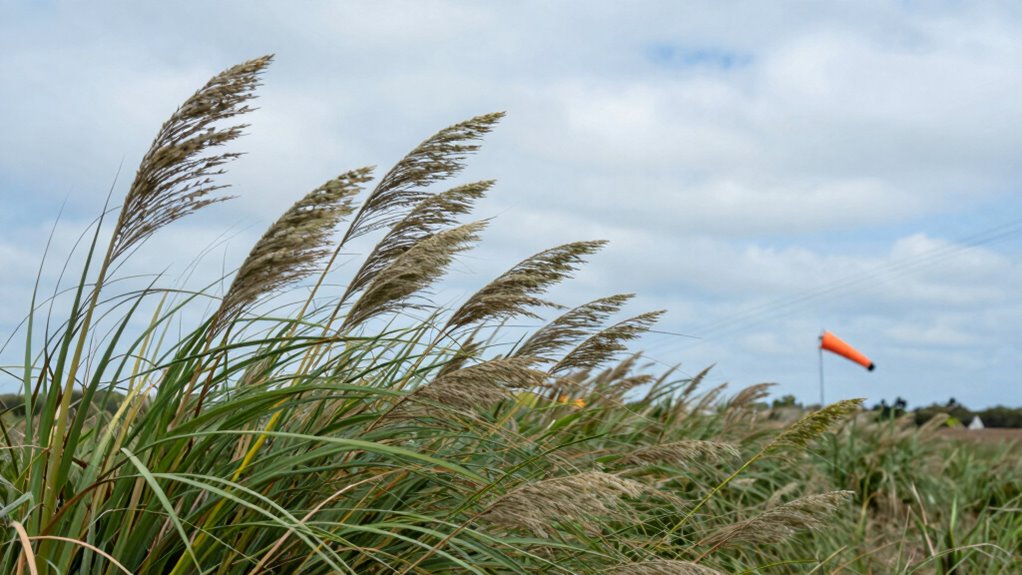
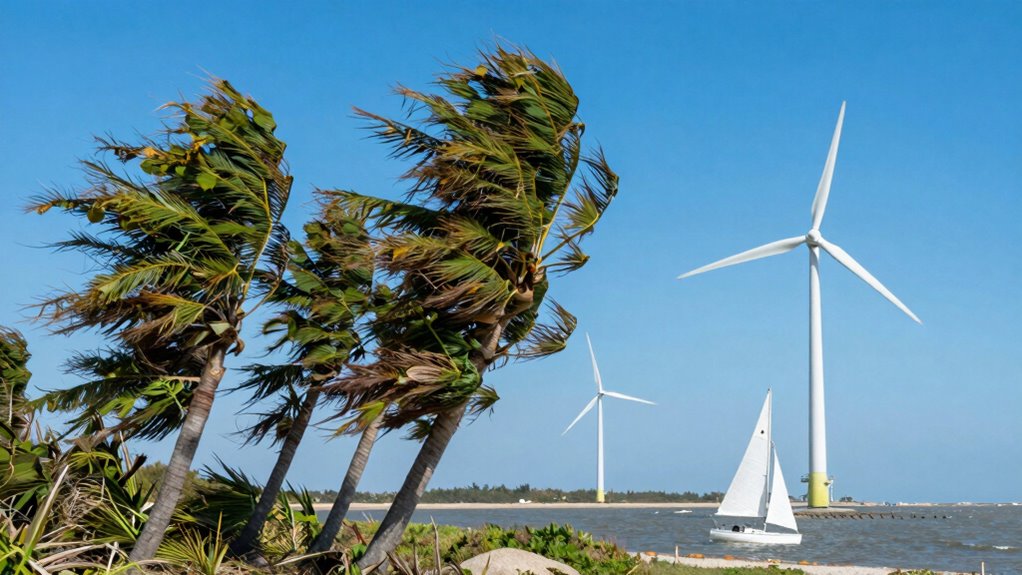
When it comes to understanding weather patterns and planning for outdoor activities, wind direction often matters more than how fast the wind blows. Knowing which way the wind is coming from can significantly influence your decisions, especially when it comes to air pollution and weather forecasting. For instance, if the wind blows from an industrial area, it can carry pollutants into residential neighborhoods, worsening air quality and affecting health. Conversely, a shift in wind direction can clear the air or bring in cleaner, fresher breezes. This is why meteorologists pay close attention to wind direction when forecasting weather, as it helps predict not just temperature changes but also pollution dispersion and local air quality. Accurate wind data plays a crucial role in understanding how air masses move and impact local environments. Additionally, understanding wind direction can help in designing ventilation systems and positioning natural ventilation in homes for better air quality. Recognizing the influence of wind direction is also essential for climate analysis, as it helps scientists understand larger atmospheric patterns that shape regional weather over time. Furthermore, tracking wind direction allows for more precise weather predictions, enabling communities to prepare more effectively for upcoming conditions. Awareness of wind direction can also aid in managing air pollution sources, helping to reduce health risks associated with poor air quality.
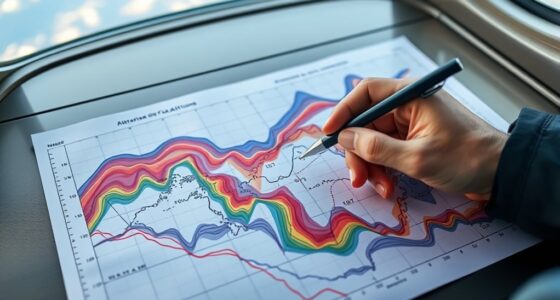
Understanding wind direction can also help you anticipate weather changes. When the wind shifts from a maritime to a land origin, it might bring moisture, increasing the likelihood of rain or fog. If it switches from the land to the sea, you might experience drier conditions. This directional information allows you to prepare accordingly—whether that means bringing an umbrella, adjusting your outdoor plans, or taking precautions against potential air quality issues. Wind direction maps are crucial in weather forecasting because they reveal how air masses move across regions, affecting everything from temperature to pollution levels. Without considering wind direction, your understanding of weather patterns remains incomplete.

AIOMEST Handheld Wind Cup Anemometer with Direction, Digital Wind Speed Meter Gauge Measure 1.5~93MPH Air Flow Velocity, Wind Temp for Outdoor Hunting Shooting Drone Surfing HVAC – AI-881M
🎯【Measure Higher Air Velocity】AI-881M is a cup wind meter that measures wider wind speed range: 1.5~93mph(0.7~42m/s), which is…
As an affiliate, we earn on qualifying purchases.
As an affiliate, we earn on qualifying purchases.
Frequently Asked Questions
How Is Wind Direction Measured Accurately in Different Environments?
You measure wind direction accurately using environmental sensors like wind vanes and anemometers, which are calibrated regularly to guarantee precision. In different environments, you might need specialized equipment—such as remote sensors for remote areas or ruggedized instruments for harsh conditions. Proper anemometer calibration and the strategic placement of sensors help you capture consistent wind direction data, regardless of environment, assuring reliable measurements for your analysis.
Can Wind Direction Influence Weather Forecasting More Than Wind Speed?
Yes, wind direction often influences weather forecasting more than wind speed because it determines wind patterns across different climate zones. By understanding how winds move, you can predict changes in temperature, humidity, and precipitation more accurately. Wind direction helps forecasters identify weather systems approaching your area, especially in diverse climate zones, making it a vital factor for precise weather predictions. Speed plays a role, but direction shapes overall weather trends.
How Does Wind Direction Affect Pollution Dispersion in Urban Areas?
A wind in the wrong direction is worth two in the bush. You’ll find that wind direction substantially influences pollution dispersion in urban areas. It directs urban airflow, determining where pollutants settle or drift away. When the wind blows from industrial zones toward residential areas, pollution spread worsens, increasing health risks. Conversely, favorable wind directions can help clear pollutants, making understanding wind patterns essential for managing urban air quality effectively.
Why Do Some Regions Experience More Variable Wind Directions?
You notice some regions have more variable wind directions because their regional climate and topographical influence create complex airflow patterns. Mountains, valleys, and coastlines shape how wind moves, causing frequent shifts in direction. In areas with less predictable terrain or a diverse climate, winds are more variable. These factors disrupt steady wind patterns, making the wind direction change often, which impacts weather, pollution dispersion, and local climate conditions.
How Is Wind Direction Used in Renewable Energy Planning?
Imagine a wind compass spinning as your team plans renewable energy sites. You pay close attention to wind direction and its variability to optimize turbine placement. Directional variability influences how consistently turbines generate power, so you select locations with steady wind directions. By analyzing wind patterns and prevailing directions, you guarantee maximum efficiency and energy output, making wind direction a vital factor in renewable energy planning.

BTMETER BT-100 Handheld Anemometer, Digital Wind Speed CFM Meter Gauge Air Flow Velocity Tester for HVAC Shooting Drone, Wind Chill, 14℉-113℉ Wind Temperature
【Multifunction Pro Anemometer】Wind Speed, Wind Temperature, Wind Chill, Low battery indicator on bright backlit LCD screen. BT-100 is…
As an affiliate, we earn on qualifying purchases.
As an affiliate, we earn on qualifying purchases.
Conclusion
Understanding wind direction is essential because it influences weather patterns, pollution spread, and even your daily comfort more than simply knowing wind speed. For example, a study found that wind direction changes can predict air quality issues up to 24 hours in advance, giving you valuable time to prepare. So, next time you check the weather, remember that knowing where the wind’s coming from can help you better anticipate and respond to your environment.

AIRAIN TECH 10-in-1 Wireless Weather Station with Outdoor Wireless Sensor,Radio Controlled Clock,Rain Gauge,Wind Speed/Direction,Moon Phase, Barometer,Temperature/Humidity,Weather Forecast (NO WiFi)
⛅️【High-Precision Swiss Temperature and Humidity Sensor】Real-time temperature range: -40°F to 140°F, with an accuracy of up to ±2°F/1°C….
As an affiliate, we earn on qualifying purchases.
As an affiliate, we earn on qualifying purchases.

Air Quality Monitor Home Indoor – 15-in-1 Professional Air Meter with HCHO, CO2, PM, TVOC, AQI, Temperature & Humidity, Real-Time Display, App Control, Portable, Accurate for Home & Office Use
【15-in-1 Comprehensive Air Quality Monitoring】This professional air quality monitor tracks 11 key parameters in real-time, including CO2, CO,…
As an affiliate, we earn on qualifying purchases.
As an affiliate, we earn on qualifying purchases.