
When searching for an aviation radio headset combo, the goal is to find a setup that balances clear communication, comfort, durability, and affordability. The Lightspeed Zulu 4 stands out as the best overall choice for its advanced noise-canceling and Bluetooth features, while the David Clark H10-13.4 offers proven durability for budget-conscious pilots. Buyers face tradeoffs like balancing premium features versus affordability, and comfort versus weight. Continue reading for a detailed comparison of the top options to help you make an informed decision.
Key Takeaways
- Premium models like the Lightspeed Zulu 4 and Bose A30 provide superior noise reduction and Bluetooth connectivity, ideal for frequent flyers.
- The David Clark H10-13.4 remains a reliable, budget-friendly choice with straightforward design and dependable performance.
- Comfort features such as gel seals and adjustable headbands significantly impact long-term wearability, especially for longer flights.
- Compatibility with both mono and stereo systems varies across models, affecting ease of use with different aircraft equipment.
- Wireless Bluetooth integration is a common feature in high-end headsets, but it may add to cost and complexity for casual pilots.
| Rugged Radios NASCAR Linkable Behind-The-Head Headsets (Pair) |  | Best for Race Environments | Noise Reduction Rating: 24 dB | Connectivity: Scanners, Race Receivers | Number of Headsets: 2 | VIEW LATEST PRICE | See Our Full Breakdown |
| Lightspeed Zulu 4 ANR Aviation Headset with Dual Bluetooth and FrameFit Ear Seals |  | Best for Long, Demanding Flights | Weight: 14.9 ounces | Connectivity: Dual Bluetooth | Ear Seals: FrameFit™ tapered foam | VIEW LATEST PRICE | See Our Full Breakdown |
| Bose Proflight Series 2 Aviation Headset with Bluetooth Connectivity, Dual Plug Cable, Black |  | Best for Comfort and Active Noise Cancellation | Weight: 4.5 ounces | Noise Cancellation: Active with three user modes | Connectivity: Bluetooth | VIEW LATEST PRICE | See Our Full Breakdown |
| David Clark H10-13.4 Aviation Headset |  | Best for Reliability and Comfort | Brand: David Clark | Model Number: H10-13.4 | Type: Headphones | VIEW LATEST PRICE | See Our Full Breakdown |
| Bose A30 Bluetooth Aviation Headset – Lightweight Comfortable Design, Adjustable ANR and Noise Cancelling Microphone, Dual Plug – Black |  | Best for Comfort and Advanced Noise Cancellation | Weight: Lightweight | Noise Cancellation: Active with three modes | Microphone: Noise cancelling, adjustable boom | VIEW LATEST PRICE | See Our Full Breakdown |
| Lightspeed Aviation Sierra ANR Aviation Headset – Premium Noise Canceling & Bluetooth Technology |  | Best Overall for Pilots Seeking Premium Comfort and Tech | Type: Aviation Headset | Noise Cancellation: Active Noise Reduction (ANR) | Bluetooth: Yes | VIEW LATEST PRICE | See Our Full Breakdown |
| RA200 Aviation Pilot Headset for Student Pilots and Flight Instructors |  | Best Value for Student Pilots and Instructors Needing Reliable Comfort | Weight: 16 oz | Noise Reduction Rating: 24 dB | Microphone: Electret noise-canceling | VIEW LATEST PRICE | See Our Full Breakdown |
| KA-1 General Aviation Headset for Pilots – Mono and Stereo Compatibility, Noise Reduction, Microphone, Gel Ear Seals, Adjustable Headband, Headset Bag |  | Best for Versatility and Long-Haul Comfort | Noise Reduction Rating: 24 dB | Microphone: Electret noise-canceling with preamp | Ear Seals: Gel, replaceable | VIEW LATEST PRICE | See Our Full Breakdown |
| Lightspeed Zulu 3 Premium ANR Aviation Headset with Noise Cancelling and Bluetooth | 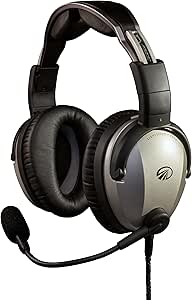 | Best for Demanding Environments with Heavy Duty Build | Weight: 14.6 ounces | Materials: Stainless steel, magnesium, Kevlar | Noise Reduction: Active Noise Reduction (ANR) | VIEW LATEST PRICE | See Our Full Breakdown |
More Details on Our Top Picks
Rugged Radios NASCAR Linkable Behind-The-Head Headsets (Pair)
This pair of NASCAR linkable headsets excels in extremely noisy race settings, offering effective noise reduction with 24 dB noise cancellation. Compared to traditional aviation headsets like the Bose Proflight Series 2, these focus on group communication over scanners and race receivers rather than aviation-specific features. The gel ear seals ensure all-day comfort, but the behind-the-head style may not appeal to all users or fit comfortably under helmets. Their main strength lies in facilitating clear, group communication in loud environments, though they depend on compatible scanners or receivers and lack the multi-device Bluetooth options of aviation headsets. This pick is ideal for race fans or crew members who need robust noise blocking and simple connectivity, but less so for pilots seeking aviation-grade audio clarity.
Pros:- Effective noise reduction for loud environments
- Easy to connect to scanners and race receivers
- Comfortable gel ear seals for all-day wear
Cons:- Requires compatible scanners or receivers, limiting versatility
- Limited to behind-the-head style, which may not suit all users
Best for: Race teams or fans needing communication in loud, noisy environments without aviation-specific features
Not ideal for: Pilots seeking headsets with built-in Bluetooth for mobile calls or aviation-specific noise cancellation
- Noise Reduction Rating:24 dB
- Connectivity:Scanners, Race Receivers
- Number of Headsets:2
- Ear Seals:Gel ear seals
- Headband Material:Stainless steel
Bottom line: This headset set is perfect for race participants who prioritize noise reduction and group communication over aviation-specific features.
Lightspeed Zulu 4 ANR Aviation Headset with Dual Bluetooth and FrameFit Ear Seals
The Lightspeed Zulu 4 stands out for its dual Bluetooth connectivity, allowing pilots to manage multiple devices simultaneously, a feature not available on Bose Proflight Series 2. Its FrameFit™ tapered foam ear seals ensure a secure, comfortable fit during long flights, while the advanced noise cancellation enhances clarity in demanding environments. However, its weight of nearly 15 ounces may cause fatigue over extended periods, unlike lighter headsets like the Bose. The durable construction with stainless steel and Kevlar cables makes it suitable for frequent flyers, though the high price might deter casual users. This headset makes the most sense for professional pilots or frequent flyers needing multi-device management and rugged durability, but less so for casual or budget-conscious users.
Pros:- Dual Bluetooth for managing two devices simultaneously
- Enhanced noise cancellation for clear communication
- Comfortable, secure fit for long flights
- Durable construction for demanding environments
Cons:- Relatively heavy compared to some headsets
- Premium price may be prohibitive for budget buyers
Best for: Professional pilots or frequent flyers requiring durability and multi-device Bluetooth connectivity
Not ideal for: Occasional pilots or casual users seeking a lightweight, budget-friendly option
- Weight:14.9 ounces
- Connectivity:Dual Bluetooth
- Ear Seals:FrameFit™ tapered foam
- Microphone:Dual Aperture Disc with noise cancellation
- Warranty:7 years
Bottom line: This headset is best suited for seasoned pilots or professionals who need durability, multi-device connectivity, and excellent noise cancellation.
Bose Proflight Series 2 Aviation Headset with Bluetooth Connectivity, Dual Plug Cable, Black
Compared with the Lightspeed Zulu 4, the Bose Proflight Series 2 offers a lighter, more comfortable fit, weighing only 4.5 ounces, making it ideal for long flights. Its active noise cancellation is highly effective, but it requires proper fit of the earbud tips for optimal sound quality—a critical factor not as crucial in the heavier Zulu 4. Bluetooth connectivity adds convenience, yet its single Bluetooth device limit makes it less versatile than dual Bluetooth systems. The Winglet mic helps ensure clear voice transmission, but the headset’s primary focus on comfort and noise cancellation may limit its features for those seeking more rugged durability. This model suits pilots prioritizing lightweight comfort and active noise reduction, but less so those needing multi-device Bluetooth or heavy-duty construction.
Pros:- Lightweight and comfortable for extended wear
- Effective active noise cancellation
- Includes Bluetooth for convenience
- Durable carrying case for easy storage
Cons:- Proper fit of ear tips is essential for best sound
- May require adjustment for optimal mic positioning
Best for: Pilots flying moderate noise aircraft who prioritize comfort and noise cancellation
Not ideal for: Pilots flying very noisy aircraft or needing multiple Bluetooth device connections
- Weight:4.5 ounces
- Noise Cancellation:Active with three user modes
- Connectivity:Bluetooth
- Microphone:Noise cancelling with Winglets
- Certifications:FAA TSO, E/TSO-C139A
Bottom line: This headset is ideal for pilots valuing comfort and active noise cancellation in less noisy aircraft environments.
David Clark H10-13.4 Aviation Headset
The David Clark H10-13.4 is a classic choice, offering over-ear comfort with soft double foam seals and proven durability, making it well-suited for pilots who value reliability. Its noise-canceling microphone and low-profile volume control contribute to clear communication, comparable to the Bose Proflight Series 2 but with a more traditional, bulkier design. The 5-year warranty underscores its reputation for longevity, though its bulkier profile might be less appealing for users who prefer lightweight options like Bose or Lightspeed. It excels in reliability and comfort but lacks modern features like Bluetooth connectivity, which can be limiting for today’s tech-savvy pilots. This headset is best for pilots prioritizing proven durability and comfort over the latest tech innovations.
Pros:- Excellent noise cancellation for clear communication
- Comfortable double foam ear seals
- Robust build quality with a 5-year warranty
- Reliable performance over years of use
Cons:- Bulkier design compared to modern lightweight headsets
- Lacks Bluetooth connectivity for mobile device pairing
Best for: Pilots seeking reliable, comfortable headsets with proven durability
Not ideal for: Pilots wanting integrated Bluetooth or lightweight headsets for long durations
- Brand:David Clark
- Model Number:H10-13.4
- Type:Headphones
- Ear Placement:Over Ear
- Features:Noise-canceling microphone, volume control
- Warranty:5 years
Bottom line: This headset is best suited for pilots who value durability and proven comfort over modern wireless features.
Bose A30 Bluetooth Aviation Headset – Lightweight Comfortable Design, Adjustable ANR and Noise Cancelling Microphone, Dual Plug – Black
The Bose A30 emphasizes lightweight comfort combined with sophisticated noise reduction, making it suitable for pilots who spend long hours in the cockpit. Its active noise reduction with three modes rivals the Zulu 4, but with a lighter, more comfortable design that beats the heavier options. The adjustable boom mic and Bluetooth capabilities add versatility, though its higher price point might be a barrier for casual pilots. Its dual plug ensures compatibility with most aircraft, and the removable cables simplify management. Compared to the Bose Proflight Series 2, the A30 offers a more modern, lighter fit, but it might lack some of the ruggedness or extended feature set of pricier models. This headset makes sense for pilots valuing comfort and premium noise cancellation, but not necessarily for those on a strict budget.
Pros:- Lightweight and comfortable for extended wear
- Active noise cancellation with multiple modes
- Bluetooth connectivity for versatile pairing
- Dual plug compatibility for most aircraft
Cons:- Higher price compared to entry-level headsets
- Features may be complex for new users
Best for: Pilots seeking lightweight comfort and high-grade noise cancellation for long flights
Not ideal for: Budget-conscious pilots or those who need highly rugged or feature-rich headsets
- Weight:Lightweight
- Noise Cancellation:Active with three modes
- Microphone:Noise cancelling, adjustable boom
- Connectivity:Bluetooth, dual plug
- Certification:FAA TSO, EASA E/TSO-C139a
- Cable:Removable, flexible
Bottom line: This headset is ideal for pilots prioritizing comfort, noise cancellation, and Bluetooth versatility in a lightweight design.
Lightspeed Aviation Sierra ANR Aviation Headset – Premium Noise Canceling & Bluetooth Technology
This headset stands out for combining advanced active noise reduction with Bluetooth connectivity, making it ideal for pilots who want both superior sound isolation and wireless features. Compared to the Lightspeed Zulu 3, it offers a more lightweight, reversible design, but at a higher price point. Its durable build and noise-canceling microphone ensure clear communication in demanding environments, though it relies on battery power for Bluetooth, adding a layer of maintenance. It’s perfect for long flights or tactical use where comfort and tech are priorities.
Pros:- Lightweight, reversible ear cups for all-day comfort
- Active noise reduction for superior clarity
- Bluetooth connectivity with customizable controls
- Durable construction designed for long-term use
Cons:- Higher price compared to basic headsets
- Requires regular charging for Bluetooth functionality
- Less suited for casual or infrequent pilots
Best for: Pilots who prioritize top-tier comfort, durability, and integrated wireless features for frequent and long flights
Not ideal for: Casual flyers or students who prefer a budget-friendly, wired-only headset without Bluetooth needs
- Type:Aviation Headset
- Noise Cancellation:Active Noise Reduction (ANR)
- Bluetooth:Yes
- Reversible Headband:Yes
- Microphone:Built-in, noise-canceling
- Connectivity:Wired with Bluetooth
Bottom line: This headset is best suited for professional pilots or frequent flyers who want premium tech and comfort with wireless convenience.
RA200 Aviation Pilot Headset for Student Pilots and Flight Instructors
The RA200 headset offers a balance of comfort and affordability, making it an excellent choice for student pilots and instructors. Its lightweight design with foam ear seals ensures comfort during lengthy sessions, while the 24 dB noise reduction and noise-canceling microphone improve communication clarity. Unlike the Lightspeed Sierra ANR, it doesn’t include Bluetooth, but its 7-year warranty and included protective bag add value. It’s an ideal choice for those who need dependable, straightforward communication gear without the added tech extras.
Pros:- Lightweight and comfortable for extended use
- Effective noise reduction and clear audio
- Adjustable volume controls for personalized fit
- Includes a padded, protective headset bag
Cons:- Limited to 3.5mm audio connection, no Bluetooth
- Pricier than basic wired headsets
- May lack advanced features for tech-savvy pilots
Best for: Flight students and instructors seeking reliable, comfortable headsets with effective noise reduction
Not ideal for: Pilots looking for wireless features or advanced noise-canceling technology
- Weight:16 oz
- Noise Reduction Rating:24 dB
- Microphone:Electret noise-canceling
- Ear Seals:Foam
- Headband:Custom fit
- Connectivity:3.5mm input jack
Bottom line: This headset is ideal for those who need dependable communication without extra tech complications.
KA-1 General Aviation Headset for Pilots – Mono and Stereo Compatibility, Noise Reduction, Microphone, Gel Ear Seals, Adjustable Headband, Headset Bag
The KA-1 headset offers versatile connectivity with mono and stereo modes, making it suitable for diverse aircraft and personal preferences. Its plush gel ear seals and extra-thick padded headband deliver comfort during long flights, outperforming the more basic RA200 in terms of noise isolation and sound quality. The preamp microphone and independent volume controls enhance communication precision, though it’s heavier and more expensive, which may deter casual users. Its replaceable gel seals and included bag make it a durable, long-term investment for serious pilots.
Pros:- Excellent noise reduction for clear communication
- Comfortable gel seals for extended wear
- Supports mono and stereo modes for flexibility
- Includes a protective headset bag
Cons:- Heavier than some competing models
- Requires replacement gel seals over time
- Higher price point for basic needs
Best for: Pilots needing a flexible, comfortable headset capable of long flights and multiple audio modes
Not ideal for: Casual pilots or those on a tight budget who do not require stereo/microphone versatility
- Noise Reduction Rating:24 dB
- Microphone:Electret noise-canceling with preamp
- Ear Seals:Gel, replaceable
- Headband:Adjustable, extra-thick padding
- Connectivity:Mono/stereo switch, 3.5mm AUX
- Weight:2.12 pounds
Bottom line: This headset suits pilots who value comfort and versatility for long-haul flying, despite a higher cost and weight.
Lightspeed Zulu 3 Premium ANR Aviation Headset with Noise Cancelling and Bluetooth
The Lightspeed Zulu 3 is built for serious pilots who need exceptional noise cancellation and durability. Its lightweight design, combined with stainless steel and magnesium construction, ensures longevity in tough conditions. It features advanced active noise reduction and Bluetooth, making it comparable to the Sierra ANR but with a more rugged build. The inclusion of features like ComPriority and FlightLink enhances communication management, though its higher price makes it less suitable for casual users. It’s a solid choice for demanding, professional flight operations.
Pros:- Excellent noise cancellation for clear communication
- Lightweight and comfortable for prolonged wear
- Durable, corrosion-resistant construction
- Includes Bluetooth for wireless connectivity
Cons:- Premium price may be prohibitive for casual pilots
- Setup of Bluetooth and app features adds complexity
- Overkill for simple or recreational flying
Best for: Professional pilots or flight operations requiring rugged, high-performance headsets with wireless features
Not ideal for: Casual or beginner pilots who don’t need the highest durability or advanced features
- Weight:14.6 ounces
- Materials:Stainless steel, magnesium, Kevlar
- Noise Reduction:Active Noise Reduction (ANR)
- Connectivity:Bluetooth
- Plugs:GA Dual Plugs
Bottom line: This headset is tailored for professional environments demanding durability, advanced noise reduction, and wireless capabilities.
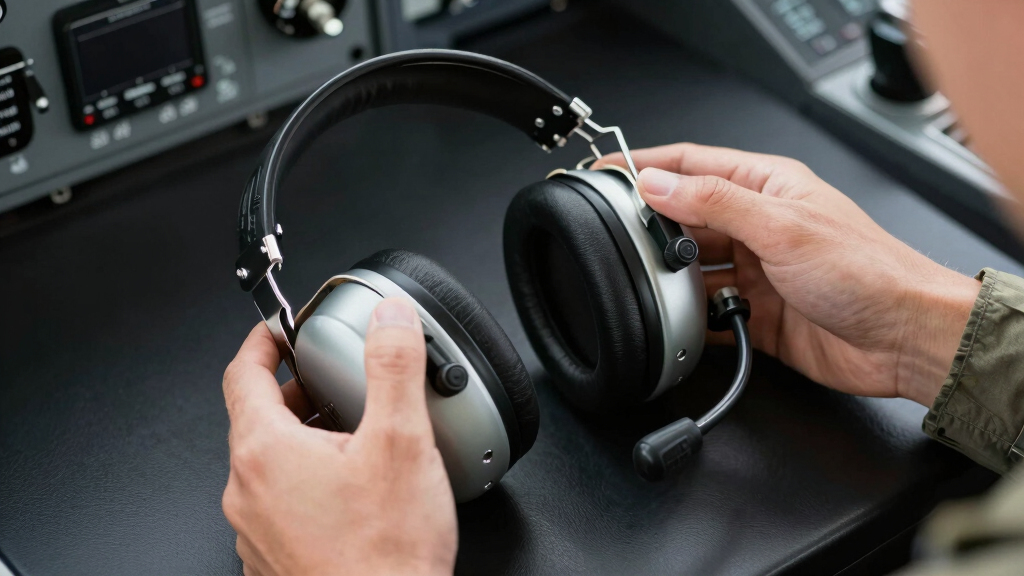
How We Picked
To create this lineup, I focused on performance, usability, build quality, and value. Priority was given to noise cancellation, microphone clarity, comfort, and Bluetooth features, since these are primary factors for pilots. I also considered durability, ease of maintenance, and whether the headsets suit both beginners and experienced flyers. Each product was evaluated against similar options to highlight strengths and tradeoffs, ensuring the ranking reflects real-world preferences and common pilot needs.Factors to Consider When Choosing Aviation Radio Headset Combo
Choosing the right aviation radio headset combo involves balancing several important factors. While cost is always a consideration, features like noise cancellation, comfort, and compatibility can significantly impact your flying experience. Understanding these key aspects helps avoid common pitfalls, such as buying a headset that’s uncomfortable for long flights or one incompatible with your aircraft’s audio system. Here are the main factors to weigh before making your purchase.Noise Cancellation and Microphone Clarity
Effective noise reduction is essential for clear communication and reducing fatigue during flights. Active noise cancellation (ANC) technology, found in premium headsets, can significantly improve clarity in noisy environments. Microphone quality also matters, as it ensures your instructions are heard without distortion. However, higher noise cancellation features often come with increased costs, so consider how much noise reduction you need based on your typical flying conditions.
Comfort and Fit
Comfort features like gel seals, adjustable headbands, and lightweight designs directly influence how long you can wear your headset without discomfort. For frequent or long-haul flights, prioritizing comfort prevents fatigue. Be cautious of overly bulky headsets that may cause pressure points or heat buildup, especially if you wear glasses. Test for adjustable features that let you customize fit for your head shape and size.
Compatibility and Connectivity
Ensure the headset supports your aircraft’s audio system—whether mono or stereo—and check for compatibility with your radio’s connector type. Bluetooth connectivity is increasingly common and offers wireless convenience, but it can introduce latency or connection issues if not well-implemented. Confirm that the headset’s connectors (dual plugs, single jack) match your aircraft’s configuration to avoid additional adapters or mismatched systems.
Durability and Maintenance
Flying can be tough on gear, so look for headsets with sturdy construction and replaceable parts like ear seals or cables. Headsets with a reputation for durability tend to last longer and withstand frequent use. Consider whether the model is easy to clean, especially if you operate in dusty or humid environments. Investing in a well-built headset can save money over time despite a higher initial price.
Price and Value
While premium headsets offer the latest features, they also come at higher costs. Balance your budget against the features you need most—such as active noise cancellation or Bluetooth. For occasional pilots, a reliable mid-range model might provide the best value, whereas frequent flyers may find that investing in a premium model improves overall flying comfort and safety. Avoid overspending on features you won’t use regularly.
Frequently Asked Questions
Is Bluetooth connectivity worth the extra cost?
Bluetooth connectivity can greatly enhance convenience by allowing wireless communication with your devices and hands-free calls, which is especially useful during longer flights. However, it can add to the cost and sometimes introduces slight latency or connection stability issues. If you fly frequently and value seamless wireless integration, investing in a Bluetooth-enabled headset makes sense. For occasional use or budget-conscious pilots, wired models may suffice without sacrificing essential features.
How do I know if a headset is compatible with my aircraft?
Compatibility depends on both the connector type and the system’s stereo or mono setup. Most general aviation aircraft use dual plugs, but some newer models might have single or different connectors. Check your aircraft’s documentation or existing headsets for the type of connection needed. It’s also wise to confirm if your radio supports stereo or mono audio, as this influences your choice to ensure seamless communication without needing adapters.
Are more expensive headsets worth the investment?
Higher-priced headsets typically offer superior noise cancellation, greater comfort, and better build quality, which can improve your flying experience significantly. If you spend many hours in the cockpit or fly frequently, the investment can translate into less fatigue and clearer communication. However, for occasional pilots or those on a tighter budget, mid-range models with reliable performance often provide excellent value without the premium price tag.
What features are most important for beginner pilots?
Beginners should prioritize comfort, straightforward controls, and reliable communication features. Headsets with good noise reduction and adjustable fit help reduce fatigue during initial training flights. Bluetooth features may be less critical but can add convenience. Durable construction and simple, intuitive controls ensure that new pilots can focus on flying rather than troubleshooting technology. A well-balanced headset that doesn’t overwhelm with features is often the best choice for those just starting out.
How often should I replace my aviation headset?
Frequency of replacement depends on usage and build quality. Well-maintained headsets with replaceable parts can last several years, even a decade, if cared for properly. Signs that it’s time for a new headset include persistent comfort issues, degraded microphone or speaker quality, or physical damage. Regularly inspecting cables, seals, and ear cups helps extend the lifespan, but replacing older models can ensure consistent performance and comfort.
Conclusion
For pilots seeking the best overall experience, the Lightspeed Zulu 4 offers advanced noise cancellation and wireless convenience, making it ideal for frequent flyers. Budget-conscious beginners might prefer the David Clark H10-13.4, which delivers reliable performance without breaking the bank. Those prioritizing premium features and maximum comfort should consider the Bose A30 or Lightspeed Sierra. Ultimately, your choice depends on how often you fly, your comfort needs, and your budget—there’s a perfect match for every type of pilot in this lineup.