
To avoid normalizing dangerous habits, stay aware of your actions and question the media and social influences around you. Reflect on whether your behaviors align with your values and goals, especially when peer pressure arises. Surround yourself with people who promote healthy choices and limit exposure to risky content. Cultivating self-awareness and critical thinking helps you recognize when external influences push you toward unsafe habits. Keep exploring how to maintain your well-being and stay vigilant against normalization.

Get travel and outdoor gear delivered free with Prime
- Fast, free delivery on millions of items
- Prime Video, Amazon Music and more included
- Member-only deals all year
Key Takeaways
- Develop self-awareness to recognize and reflect on your habits and their potential risks.
- Surround yourself with individuals who promote healthy, positive behaviors and challenge risky norms.
- Question the motives and portrayals of risky behaviors in media, seeking out responsible and realistic content.
- Regularly evaluate if your actions align with personal values and long-term goals, especially under peer influence.
- Practice critical thinking to differentiate between glamorous presentation and actual safety or benefit of behaviors.

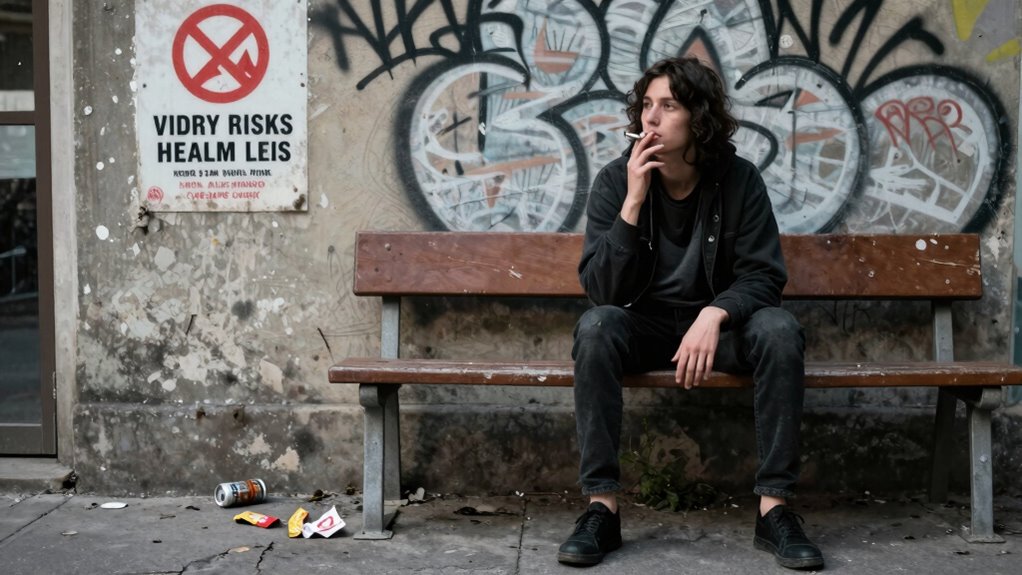
Many dangerous habits start small and gradually become accepted as normal, making it easy to overlook their risks. You might find yourself doing something innocuous at first, like skipping a workout or indulging in junk food, but over time, these behaviors can become ingrained, and you might not even realize how they’re affecting your health or well-being. One of the biggest influences on these habits is peer influence. When your friends or colleagues normalize risky behaviors—whether it’s partying late into the night, experimenting with substances, or engaging in dangerous driving—it becomes easier for you to follow suit. The desire to fit in or gain acceptance can cloud your judgment, leading you to dismiss potential dangers as just part of the social scene. Recognizing this influence is essential because it helps you stay aware of how your social environment shapes your habits.
Small risky habits can become normal over time, influenced by peer pressure and social acceptance.
Media portrayal also plays a significant role in normalizing dangerous behaviors. Movies, TV shows, social media, and even advertising often glamorize risky actions, making them seem exciting, rebellious, or even essential for popularity. When you see characters or influencers engaging in dangerous activities without consequences, it can distort your perception of real-life risks. You might start to believe that such behaviors are commonplace or that they won’t impact you negatively. It’s important to remember that media often exaggerates or romanticizes these actions, creating a false sense of safety and normalcy. Being critical of what you consume and questioning the motives behind media messages helps you avoid internalizing risky behaviors as acceptable. Understanding how media influences perception can empower you to make more informed choices about what behaviors to normalize or reject. Additionally, being aware of societal norms and how they evolve can help you resist pressures to conform to dangerous habits. Developing media literacy skills can further protect you from being misled by unrealistic portrayals. Recognizing the influence of popular culture can help you better evaluate what behaviors are truly safe or appropriate.
To prevent these habits from becoming ingrained, you need to develop a conscious awareness of your choices. Surround yourself with people who promote healthy, positive habits and who don’t normalize risky behaviors. When peer influence pushes you toward dangerous habits, take a step back and evaluate whether those actions align with your values and goals. Recognizing this role of peer pressure can help you develop strategies to resist it more effectively. Additionally, seek out media that portrays real-life consequences and promotes responsible behavior. Limit exposure to content that glamorizes danger, and instead, follow sources that provide honest, educational, and empowering messages. Cultivating self-awareness about your habits is an essential part of maintaining your well-being and avoiding the normalization of risky behaviors. Being aware of your emotional responses and internal motivations can also help you identify when you’re being influenced unduly.
Ultimately, staying vigilant about how peer influence and media portrayal impact your perceptions is key. Question your motivations and the messages you absorb daily. Remember that just because something is presented as normal or cool doesn’t mean it’s safe or beneficial. Cultivating awareness and making deliberate choices will help you resist the normalization of dangerous habits and foster a healthier, more mindful lifestyle.
As an affiliate, we earn on qualifying purchases.
Frequently Asked Questions
How Can I Recognize When a Habit Is Becoming Dangerous?
You can recognize a habit is becoming dangerous when you notice habit triggers and behavioral cues that lead to risky behaviors. If you find yourself consistently engaging in the same activity despite negative consequences, or if certain situations or emotions prompt you to act out of character, it’s a sign. Pay attention to how your habits influence your well-being, and seek support if these cues start to control your actions.
Are There Psychological Factors That Make Dangerous Habits More Appealing?
Yes, psychological factors like behavior reinforcement and cognitive biases make dangerous habits more appealing. When you experience immediate rewards, your brain reinforces the behavior, making it feel satisfying. Cognitive biases, such as optimism bias or normalization, lead you to underestimate risks and overvalue benefits. Recognizing these influences helps you understand why dangerous habits seem attractive, so you can actively challenge them and make healthier choices.
What Role Does Peer Pressure Play in Normalizing Risky Behaviors?
Peer influence heavily impacts how you perceive risky behaviors, making them seem more acceptable to gain social acceptance. When your friends normalize or engage in dangerous habits, you’re more likely to follow suit to fit in. Peer pressure can subtly push you toward risky actions, convincing you that they’re normal or even necessary for social bonding. Recognizing this influence helps you resist the urge to normalize dangerous habits and stay true to your values.
How Can I Support Someone Trying to Break a Dangerous Habit?
You can be their superhero in this battle. Start by actively listening and practicing motivational interviewing to help them explore their feelings and reasons for change. Encourage the use of support networks, like friends, family, or support groups, to create a strong safety net. Offer consistent encouragement and patience, showing you believe in their capacity to break free. Your unwavering support might just be the force that transforms their life.
What Are Early Warning Signs of Habit Normalization in Communities?
You’ll notice early warning signs like increasing cultural acceptance of risky behaviors and media influence promoting them as normal. When community members start dismissing concerns or when dangerous habits become common in social media and local stories, normalization begins. You should stay alert to these cues, question the portrayals, and encourage open discussions. Challenging these influences early helps prevent dangerous habits from becoming ingrained, protecting the community’s well-being.
Conclusion
By staying mindful of your behaviors and gently questioning your routines, you can prevent slipping into comfortable patterns that may not serve your well-being. Remember, what feels like just a small step today can become a steady path tomorrow. Cultivate awareness and choose kindness toward yourself, ensuring that your habits uplift rather than quietly undermine your best self. Small, mindful changes can gently steer you toward healthier, brighter days, without the need for drastic measures.
Halloween Picks
halloween
As an affiliate, we earn on qualifying purchases.