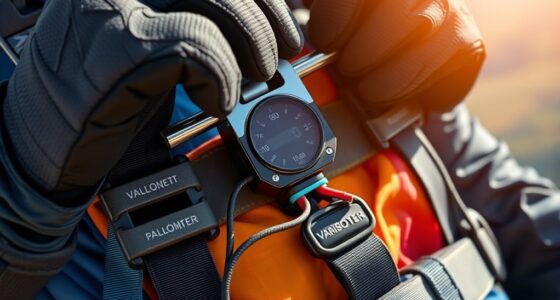
Autonomous flight systems act as intelligent co-pilots, using AI and advanced sensors to assist you during flights. They handle routine tasks, monitor systems, and respond to unforeseen issues, reducing your workload and increasing safety. These systems rely on redundancies and real-time data processing to stay reliable even in challenging conditions. If you’re curious about how this partnership works and its safety benefits, there’s more to uncover about this innovative technology.
Key Takeaways
- Autonomous flight systems rely on AI-powered co-pilots to manage routine tasks and enhance decision-making.
- These systems utilize advanced sensors and machine learning to adapt to changing flight conditions.
- Human pilots oversee AI co-pilots, focusing on strategic decisions and emergency interventions.
- Redundancies in sensors and control modules ensure system reliability and safety during autonomous operations.
- Effective pilot training emphasizes oversight, troubleshooting, and seamless collaboration with AI-assisted systems.
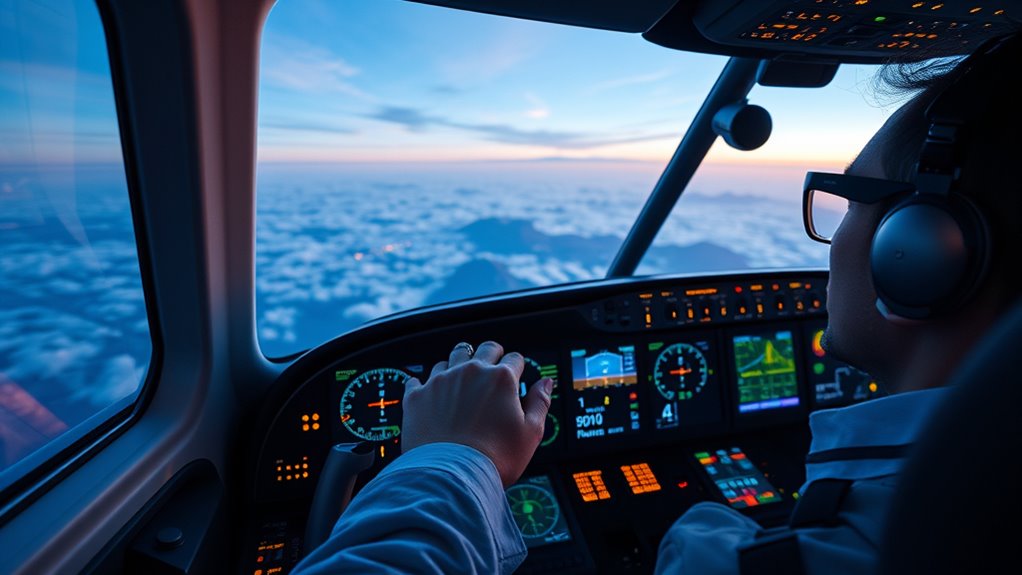
Autonomous flight systems are transforming aviation by enabling aircraft to operate independently, without human pilots. These advanced systems leverage artificial intelligence and sophisticated sensors to navigate, make decisions, and respond to changing conditions in real time. For pilots, this shift means a significant change in how they prepare and operate aircraft. Pilot training now increasingly emphasizes understanding the functionality and limitations of autonomous systems, rather than solely focusing on manual flying skills. This shift is vital because pilots will need to supervise, troubleshoot, and intervene in these systems when necessary. Training programs are adapting to guarantee pilots can seamlessly integrate AI assistance into their workflows, recognizing the importance of maintaining situational awareness even when the aircraft is flying itself.
A key element that makes autonomous flight systems reliable is their incorporation of system redundancies. These redundancies act as safeguards, ensuring that if one component fails, others can take over without compromising safety. For example, multiple sensors, power supplies, and control modules operate concurrently, so the failure of a single element doesn’t jeopardize the entire system. This redundancy layer is essential because it builds trust in autonomous systems and reassures both pilots and passengers that safety remains paramount. When combined with real-time data processing and machine learning algorithms, redundancies enable these systems to handle unexpected scenarios effectively, maintaining stability and safety even under adverse conditions. Additionally, the integration of vetted safety protocols ensures compliance with industry standards and further enhances system reliability.
As you consider the integration of autonomous flight systems, it’s important to understand that they don’t eliminate the role of pilots but rather augment their capabilities. These systems act as co-pilots, managing routine tasks and monitoring aircraft health, allowing human pilots to focus on strategic decision-making and emergency management when needed. This partnership between human and machine is designed to enhance safety and efficiency, reducing pilot workload and minimizing human error. However, this also places a premium on thorough pilot training so that pilots are confident in overseeing these systems and intervening when necessary. Moreover, ongoing system redundancies guarantee that the AI co-pilot assistance remains resilient, even if unforeseen issues arise.
Top picks for "autonomou flight system"
Open Amazon search results for this keyword.
As an affiliate, we earn on qualifying purchases.
Frequently Asked Questions
How Do AI Co-Pilots Handle Emergency Situations?
AI co-pilots handle emergency situations by supporting your pilot decision-making with real-time data analysis and alerts. They follow carefully designed emergency protocols, ensuring swift, accurate responses. When an emergency occurs, the AI assists in executing procedures, prioritizing critical actions, and maintaining situational awareness. This collaboration helps you manage crises efficiently, reducing stress and improving safety, all while adhering to established protocols for effective emergency handling.
What Are the Safety Protocols for Autonomous Flight Systems?
You’ll find that safety protocols for autonomous flight systems emphasize layered redundancies and cybersecurity measures. Redundant systems ensure that if one component encounters issues, others seamlessly take over, maintaining safety. Cybersecurity measures protect against digital threats, preventing unauthorized access or interference. Together, these protocols create a resilient environment, allowing you to trust the system’s ability to handle unexpected situations, guaranteeing smooth and secure flights every time.
How Is Passenger Privacy Maintained With AI Assistance?
You can trust that your privacy is protected with AI assistance by ensuring data encryption keeps your information secure. Additionally, your consent is always obtained before collecting or sharing any personal data. These measures help prevent unauthorized access and give you control over your data. So, you’re in safe hands, knowing that your privacy is a priority with robust encryption and clear user consent protocols in place.
What Are the Legal Regulations for Autonomous Aircraft?
Imagine you’re in 1969, yet today, you face evolving legal regulations for autonomous aircraft. You need to follow strict liability frameworks and certification standards set by aviation authorities like the FAA and EASA. These regulations define how autonomous systems are tested, certified, and insured. They also clarify liability in case of accidents, ensuring safety and accountability while encouraging innovation in AI-assisted flight technology.
How Do AI Co-Pilots Learn and Improve Over Time?
AI co-pilots learn and improve over time through machine learning, where they analyze vast amounts of data training. You feed them real flight data, allowing them to identify patterns and optimize decision-making. As they gain more experience, they adapt and refine their responses, enhancing safety and efficiency. This continuous learning process helps AI co-pilots become more reliable, supporting pilots and ensuring smoother, safer flights.
Conclusion
As you explore autonomous flight systems, it’s clear AI co-pilots are transforming aviation. Did you know that by 2030, over 70% of commercial flights could incorporate AI assistance? This evolution enhances safety, efficiency, and decision-making in the cockpit. Embracing these technologies means you’re part of a future where pilots and AI work together seamlessly, reducing human error and elevating travel standards. The sky’s the limit when innovation and automation unite.