
A passive aviation headset still makes sense if you value reliability, simplicity, and durability over electronic features. You benefit from consistent noise reduction without worrying about battery life or potential electronic failures, making it perfect for demanding or remote environments. Additionally, they’re comfortable, lightweight, and easy to maintain, saving you money long-term. If you prefer straightforward, dependably performance-focused gear, a passive headset offers great value. To discover more about when this choice truly shines, keep exploring these benefits.

Get travel and outdoor gear delivered free with Prime
- Fast, free delivery on millions of items
- Prime Video, Amazon Music and more included
- Member-only deals all year
Key Takeaways
- When electronic components may fail or are unnecessary, passive headsets provide reliable noise reduction without power dependency.
- For budget-conscious pilots or flight schools, passive headsets offer cost-effective, low-maintenance solutions.
- In noisy environments where simple mechanical noise reduction suffices, passive headsets are effective.
- When comfort and ergonomic fit during long flights are priorities, passive headsets offer adjustable, plush padding.
- In rugged or remote conditions, passive headsets are durable, easy to clean, and require minimal upkeep.
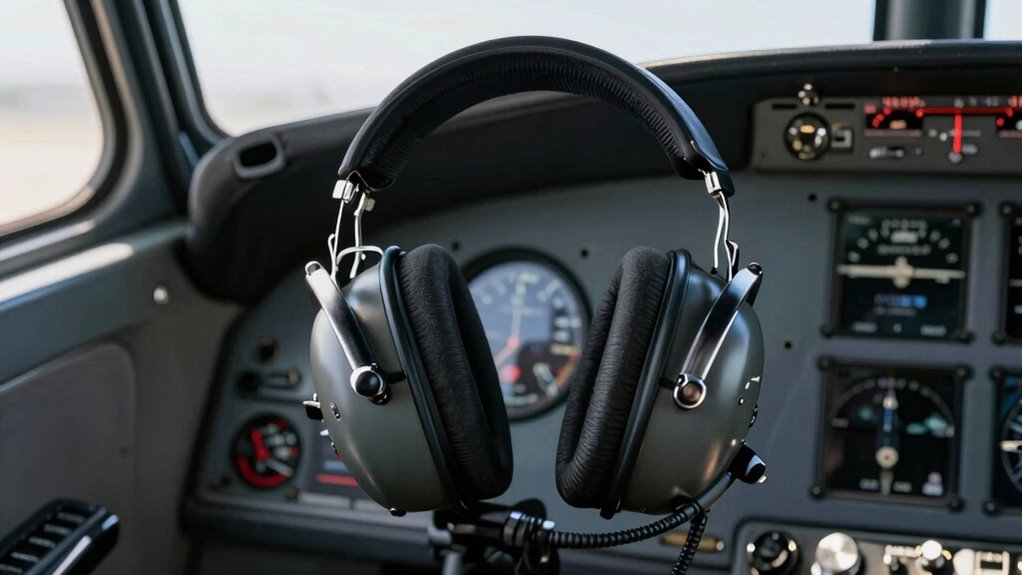
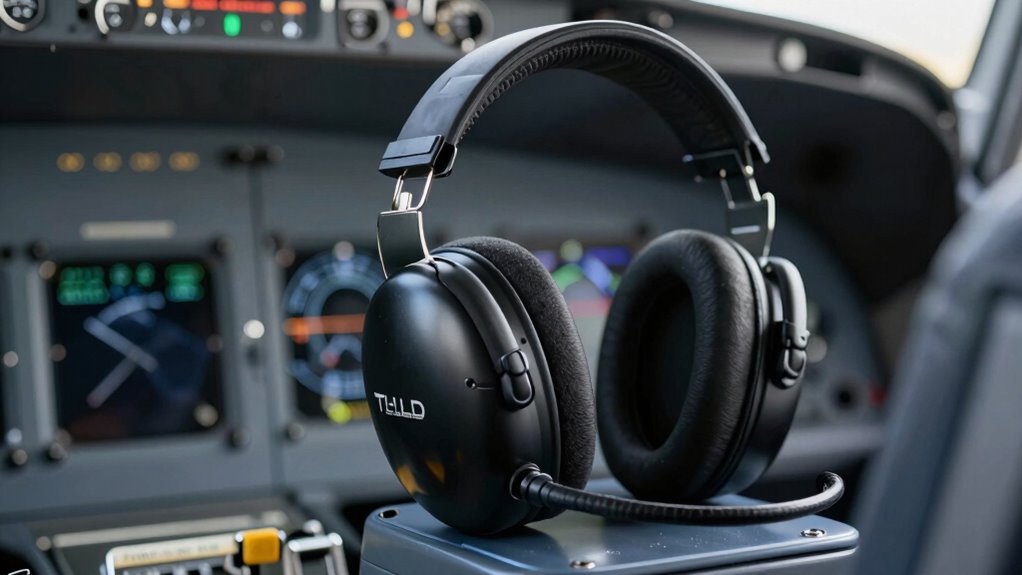
Even as active noise-canceling headsets become more popular, passive aviation headsets still make a lot of sense for pilots seeking simplicity, reliability, and cost-effectiveness. These headsets use physical barriers like ear seals and padded ear cups to block out noise, and for many pilots, this straightforward approach offers distinct advantages. When _weighing_ noise reduction, passive headsets excel because they don’t rely on electronic components that can malfunction or require power. Their ability to block ambient noise through solid construction means you get consistent performance without worrying about batteries dying or electronic failure in critical moments.
Passive headsets offer reliable, power-free noise reduction with simple, durable design for comfortable, consistent use in the cockpit.
Comfort features are also a key reason to _opt for_ passive headsets. Many pilots prefer their ergonomic design, plush padding, and adjustable headbands, which provide a comfortable fit during long flights. Because these headsets don’t have complex electronics, they tend to be lighter and less bulky, reducing fatigue over extended periods. The simplicity in design also means fewer parts that can break or need maintenance, making them a reliable choice for pilots who prioritize durability. Additionally, the mechanical noise reduction offered by passive headsets is often sufficient for most flying environments, further emphasizing their practicality. This reliability is especially valuable in demanding or remote settings where electronic failures could be problematic.
You’ll notice that passive aviation headsets often come with features like adjustable headbands, soft leather or foam ear seals, and inline volume controls, all aimed at enhancing comfort. These features allow you to customize the fit, ensuring the headset stays secure and comfortable even during lengthy flights. Since there are no electronic components to worry about, you can focus entirely on flying without distraction or concern over technical issues. This reliability can be especially important in environments where electronic interference or power issues are more common. Moreover, the durability of passive headsets makes them a long-lasting investment, especially in rugged conditions. The simple design also makes them easier to clean and maintain, which is a significant benefit for frequent pilots.
Additionally, the absence of electronic components reduces the chances of electronic failures, which can be critical in high-stakes flight situations. Cost is another compelling factor in favor of passive headsets. They tend to be more affordable upfront and typically require less maintenance over their lifespan. You won’t need to replace batteries or worry about electronic repairs, which can add up over time. For flight schools, private pilots, or those on a budget, passive headsets provide an economical yet effective solution without sacrificing essential noise reduction or comfort.
In essence, if you value straightforward operation, consistent noise reduction without electronic reliance, and a comfortable fit, passive aviation headsets still make a lot of sense. They’re dependable, easy to maintain, and often more affordable, making them an excellent choice for many pilots. Whether you’re flying short hops or long cross-country flights, these headsets continue to prove their enduring value in the cockpit.
As an affiliate, we earn on qualifying purchases.
Frequently Asked Questions
How Do Passive Headsets Compare in Noise Reduction?
Passive headsets generally offer good sound isolation, blocking out ambient noise through their physical ear cups. While they don’t actively cancel noise like electronic models, their sound isolation helps you focus and stay aware of your surroundings. Plus, they tend to be more cost-efficient, making them a practical choice for pilots who want reliable noise reduction without extra electronics. Overall, passive headsets are a smart, budget-friendly option for clear, quiet communication.
Are Passive Headsets Suitable for Long Flights?
Passive aviation headsets can be suitable for long flights if comfort considerations are a priority, as they tend to be lighter and less bulky. They’re also cost-effective, making them a good choice for frequent flyers or those on a budget. However, if noise reduction is essential for comfort or safety, consider whether active models might better meet your needs. Ultimately, balance comfort and cost to find what works best for your long flights.
Can Passive Headsets Connect to All Aircraft Systems?
You can’t connect passive headsets to all aircraft systems, as they lack active electronics for compatibility. Remember, “You get what you pay for,” so if wireless compatibility and custom fit are priorities, active headsets might be better. However, passive headsets still work well in many aircraft, especially older models. Their simplicity offers durability and reliability, making them a solid choice when system integration isn’t a concern.
What Is the Typical Lifespan of a Passive Aviation Headset?
A passive aviation headset typically lasts around 5 to 10 years, depending on usage and care. You’ll find that comfort features like cushioned ear cups and adjustable headbands help prolong comfort during long flights. When considering a price comparison, passive headsets are often more affordable initially and require less maintenance, making them a reliable choice if you prioritize durability and comfort without needing active noise cancellation.
Do Passive Headsets Require Special Maintenance or Care?
Passive headsets require minimal maintenance—just a quick wipe and check for wear, making upkeep almost effortless. With their sturdy design, they don’t need special care, ensuring your headset comfort stays excellent for years. You might think maintenance frequency is a chore, but it’s so simple, it’s hardly noticeable. Keep them clean and free of debris, and your passive headset will perform flawlessly, outlasting even the most advanced options.
Conclusion
So, next time you’re flying, remember that a passive headset isn’t just a nostalgic relic—it’s your trusty bunker, shielding you from the deafening chaos of modern avionics. Sure, it’s like wearing earplugs at a rock concert, but maybe that’s the point. In a world of noise-canceling tech, sometimes you just need a simple, silent fortress. Embrace the passive, and give your ears a break from the nonstop symphony of aviation technology.
Halloween Picks
halloween
As an affiliate, we earn on qualifying purchases.