To guarantee safe and efficient flying, you need a solid grasp of instrumentation essentials like variometers, airspeed indicators, and flight computers. Variometers help you monitor vertical speed, while airspeed indicators show your current airflow speed—both crucial for smooth climbs and descents. Flight computers integrate data from these instruments to enhance navigation and performance. Proper maintenance and understanding of each component keep your flights accurate and safe. Keep going to uncover more tips to master your aircraft’s instrumentation.
Key Takeaways
- Variometers measure vertical speed, aiding pilots in maintaining smooth climbs and descents.
- Airspeed indicators display aircraft speed relative to surrounding air, essential for safe maneuvering.
- Flight computers integrate data from various instruments to provide comprehensive navigation and performance insights.
- Regular calibration and maintenance of instruments ensure accuracy and reliable readings during flight.
- Proper cockpit lighting enhances instrument visibility, supporting quick interpretation and overall flight safety.
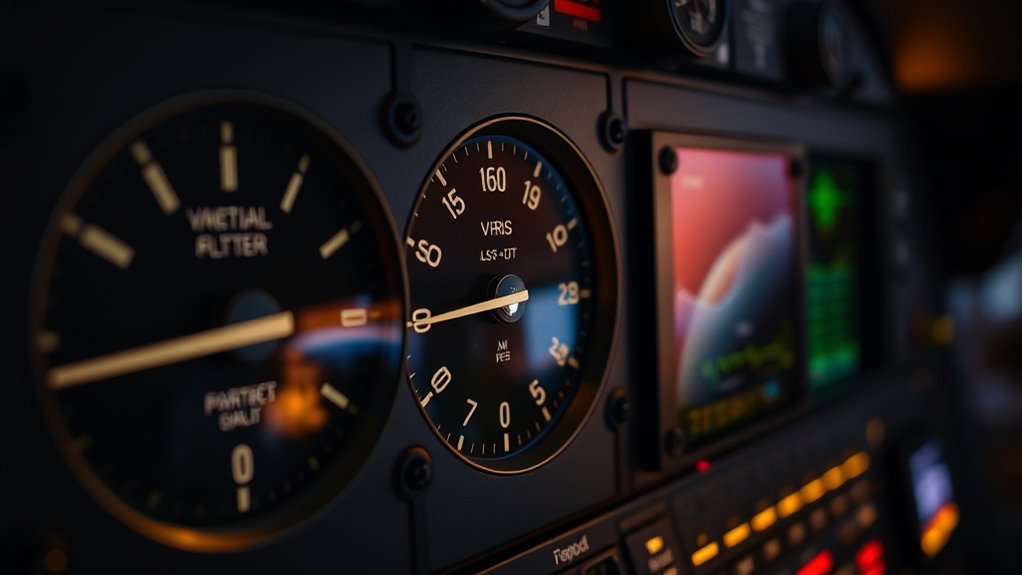
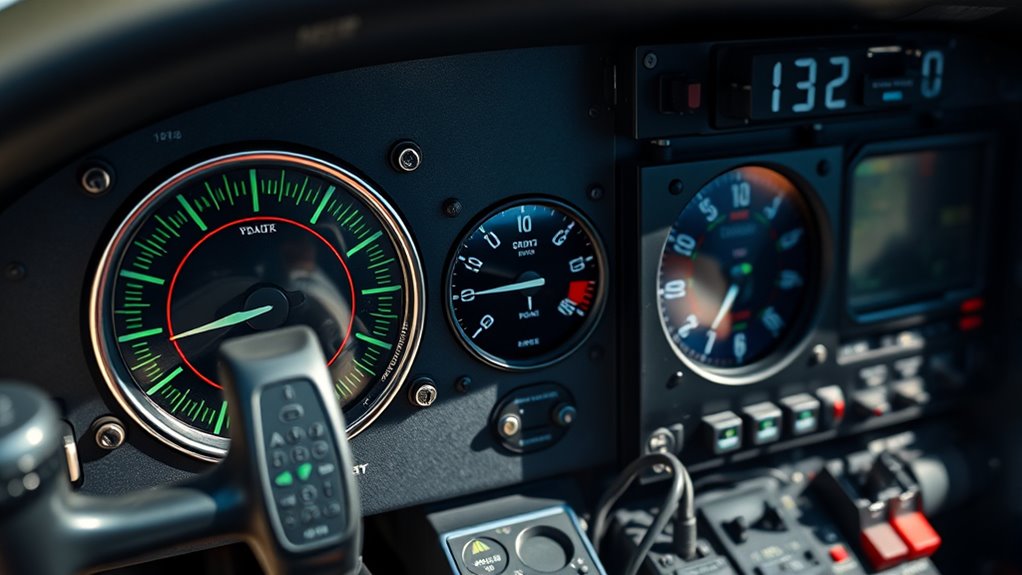
Understanding instrumentation essentials is essential for anyone involved in measurement and control systems. When you’re flying or working with aircraft, accurate readings and reliable instruments can mean the difference between safety and danger. One critical aspect you need to grasp is how instruments like altimeters are calibrated to guarantee precise altitude measurement. Altimeter calibration involves setting the instrument to match a known pressure at a specific altitude, which is indispensable for maintaining safe separation from terrain and other aircraft. If your altimeter isn’t properly calibrated, you risk misjudging your altitude, which can lead to dangerous situations, especially in poor visibility or when flying at night. Regular calibration checks are necessary, often performed during pre-flight or scheduled maintenance, to keep your readings trustworthy. Alongside calibration, cockpit lighting plays an essential role in instrument readability. Proper lighting ensures you can quickly and accurately interpret data from variometers, airspeed indicators, and flight computers, regardless of external lighting conditions. Poor lighting can cause eye strain or misreadings, which might lead you to make incorrect decisions. Many aircraft incorporate adjustable cockpit lighting, allowing you to set the brightness for maximum visibility. It’s a small but fundamental detail that enhances your ability to monitor instruments closely during critical phases of flight, such as takeoff, landing, or night operations. Additionally, awareness of emerging AI security vulnerabilities in modern avionics systems highlights the importance of safeguarding your instrumentation against cyber threats. As you operate variometers and airspeed indicators, understanding their function and how they integrate with flight computers helps you make better decisions. Variometers measure vertical speed, providing essential data during climbs and descents. Knowing how to interpret their readings accurately can help you maintain a smooth flight path and avoid unnecessary altitude changes. Airspeed indicators inform you of your current speed relative to the air, which is indispensable for safe maneuvering and stall prevention. The flight computer consolidates data from these instruments, offering navigational and performance insights that streamline your decision-making process. To keep these instruments functioning correctly, regular checks, calibration, and maintenance are necessary. For example, ensuring your altimeter is correctly calibrated before each flight guarantees altitude readings remain precise, especially when shifting through different pressure zones or weather conditions. Additionally, understanding how cockpit lighting influences instrument visibility helps you optimize your workspace, reducing fatigue and improving overall safety.
Frequently Asked Questions
How Do Variometers Differentiate Between Climb and Descent Rates?
You can tell if you’re climbing or descending by looking at the variometer’s needle, which detects altitude change through pressure variation analysis. When pressure drops, the variometer shows a climb; when it rises, it indicates a descent. It continuously monitors altitude change detection, providing real-time feedback on your vertical movement. This way, you quickly understand whether you’re ascending or descending without needing additional information.
What Are the Common Errors in Airspeed Indicator Readings?
You might trust your airspeed indicator blindly, but errors can mislead you just as easily as instrument lag delays your readings during rapid speed changes. Common errors include improper calibration procedures, which cause inaccurate readings, and handling mistakes like rough handling or not zeroing the instrument. Always verify calibration and anticipate lag effects, especially in turbulent conditions, to maintain accurate speed awareness and safe flying.
How Do Flight Computers Integrate Data From Multiple Instruments?
You see how flight computers use data integration to combine information from multiple instruments, ensuring accurate readings. They rely on proper instrument calibration to avoid errors and seamlessly merge data from variometers, airspeed indicators, and other sensors. This integration provides pilots with reliable, real-time data on speed, altitude, and vertical movement, enhancing safety and decision-making during flight. Proper calibration and data integration are essential for the system’s accuracy.
What Maintenance Is Required for Accurate Variometer Function?
To keep your variometer accurate, you need to regularly perform instrument calibration and sensor maintenance. Check for any blockages or damage that could affect its readings, and verify the pressure sensors are clean and functioning correctly. Calibration should be done according to the manufacturer’s guidelines, typically annually or after any suspected malfunction. Proper maintenance guarantees precise vertical speed readings, essential for safe and effective flight.
Are There Digital Alternatives to Traditional Flight Instruments?
Yes, digital alternatives to traditional flight instruments exist, offering clearer digital displays and easier integration with modern aircraft systems. These digital instruments often feature automated calibration, reducing manual effort and increasing accuracy. You’ll find that they provide real-time data with enhanced readability, making your flights safer and more efficient. Upgrading to digital instruments can streamline your cockpit, but verify regular calibration to maintain precision and reliability.
Conclusion
Now that you understand the critical instruments like variometers, airspeed indicators, and flight computers, you’re better prepared for any situation in the cockpit. But remember, these tools are only part of the story—what you do with them can mean the difference between safety and trouble. Stay sharp, keep learning, and never underestimate the power of precise instrumentation. The skies are unpredictable, and your next challenge could be just around the corner. Are you ready?