If you’re exploring sailplane licensing, you’ll encounter options like the LAPL(S) for recreational flying and the more advanced SPL for cross-country soaring. Both require flight hours and exams, but SPL involves deeper training. Additionally, many countries offer national endorsements that let you fly specific aircraft types beyond these licenses. These pathways offer flexibility tailored to your flying goals. Continuing this information will help you understand how each licensing route fits your aviation ambitions.
Key Takeaways
- LAPL(S) is a recreational license for gliders with simplified training and basic theoretical exams.
- SPL is a more advanced license for cross-country soaring, requiring additional training and knowledge.
- Both licenses necessitate passing exams and practical solo flights to demonstrate proficiency.
- National endorsements extend license capabilities to specific aircraft types with tailored training and skill tests.
- The licensing pathway offers flexibility, allowing pilots to progress from basic to complex sailplanes and specialized aircraft.

Are you wondering how to navigate the various licensing options available? Understanding the different pathways can seem overwhelming at first, but once you grasp the basics, it becomes much clearer. The LAPL(S), or Light Aircraft Pilot Licence (Sailplanes), this license is tailored for those interested in soaring and gliding activities. It’s designed to be accessible, with simplified training requirements compared to other licenses. Typically, you’ll need to complete a minimum number of flight hours, including solo flights, and pass theoretical exams. The training requirements focus on basic aerodynamics, meteorology, and navigation, ensuring you’re well-prepared to handle sailplane operations safely. The aircraft types covered here are primarily gliders and sailplanes, which are generally less complex, making the training more straightforward. If your interest lies in recreational flying without the need to operate powered aircraft, the LAPL(S) offers a practical, less intensive pathway.
On the other hand, the SPL, or Sailplane Pilot Licence, is more advanced and suitable for those who want to pursue cross-country soaring or compete in gliding competitions. The SPL involves more extensive training, including cross-country flying and advanced meteorology. The training requirements are more comprehensive, demanding a higher number of flight hours and theoretical knowledge. This license allows you to operate a broader range of sailplanes and participate in more complex flying activities, making it ideal if you’re committed to developing more advanced soaring skills. Additionally, the SPL emphasizes understanding gliding techniques and safety protocols, which are essential for more challenging flights.
National endorsements, meanwhile, expand your flying capabilities within specific aircraft types beyond your core license. For instance, if you hold a private pilot license but want to fly certain types of aircraft not covered by your license, these endorsements allow you to do so after completing additional training. The training requirements for endorsements vary depending on the aircraft types. Some endorsements may only need a few hours of instruction and a skill test, while others might involve more extensive ground school. They provide flexibility, enabling you to pilot different aircraft within the national framework, whether it’s microlights, vintage aircraft, or other specialized types.
Navigating these licensing options involves understanding your intended aircraft types and the associated training requirements. Each pathway offers a tailored approach, ensuring you gain the necessary skills and qualifications to fly safely and legally. Whether you’re aiming for recreational soaring, advanced gliding, or expanding your aircraft type repertoire, knowing the distinctions helps you choose the right licensing pathway to meet your flying ambitions.

Glider Flying Handbook (Federal Aviation Administration): FAA-H-8083-13A
Spiral bound!
As an affiliate, we earn on qualifying purchases.
As an affiliate, we earn on qualifying purchases.
Frequently Asked Questions
Can I Convert My Lapl(S) to a Higher License?
Yes, you can convert your LAPL(S) to a higher license if you meet the eligibility criteria, such as completing additional training, gaining required flight hours, and passing relevant exams. The conversion options vary depending on your current license and the specific license you aim for. Make sure to check with your local aviation authority for precise requirements and procedures to successfully upgrade your license and expand your flying privileges.
Are There Age Restrictions for Obtaining SPL or National Endorsements?
Think of the sky as your playground, but even in this vast space, age restrictions mark the entry gates. You must meet the licensing age requirements to obtain an SPL or national endorsement, ensuring you’re mature enough to handle the responsibilities of flying. These age restrictions vary by country, so check local regulations. You can’t just soar; you need the right age to open the next level of your flying journey.
What Medical Requirements Are Necessary for Each Licensing Pathway?
You need to meet specific medical standards for each licensing pathway, guaranteeing your health doesn’t impair flying safety. The certification procedures involve undergoing medical examinations by approved aviation medical examiners. For LAPL(S), a basic medical certificate suffices, while SPL and national endorsements often require more detailed medical assessments. Meeting these medical requirements is vital to obtain your license and guarantee you can operate aircraft safely and legally.
How Long Does It Take to Complete Each Licensing Process?
Time flies when you’re aiming for the skies! Typically, the flight training duration for each licensing process varies—LAPL(S) takes about 20-30 hours, SPL around 15-25 hours, and national endorsements depend on the specific type. The licensing exam timing usually aligns with your training schedule, often completed within a few weeks to a couple of months. Your dedication and progress determine how quickly you’ll be ready to take off!
Are There Specific Training Providers Approved for These Licenses?
You should look for approved providers that meet the required training standards. These providers are officially recognized to deliver the necessary instruction for your license, ensuring you receive quality training aligned with regulations. Approved providers can be found through official aviation authority websites or accredited flight schools. Choosing an approved provider guarantees you’re on the right track, helping you meet all licensing requirements efficiently and confidently.
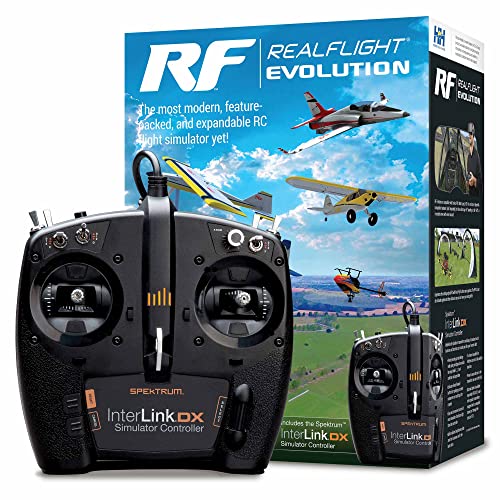
REALFLIGHT Evolution RC Flight Simulator Software with Interlink DX Controller Included RFL2000 Air/Heli Simulators Compatible with VR headsets Online Multiplayer Options
A fresh and modern user interface that’s even easier and more intuitive to use, virtually eliminating the need…
As an affiliate, we earn on qualifying purchases.
As an affiliate, we earn on qualifying purchases.
Conclusion
Now that you understand the licensing pathways like LAPL(S), SPL, and national endorsements, you’re better equipped to choose the right route for your flying ambitions. Did you know that over 30% of pilots in the UK have obtained their licenses through these pathways? This shows their popularity and accessibility. Whatever your goal, taking the right step now can turn your aviation dreams into reality. So, get started and take to the skies with confidence!

Inspection Authorization Test Prep: Study & Prepare: A comprehensive study tool to prepare for the FAA Inspection Authorization Knowledge Exam (Test Prep Series)
As an affiliate, we earn on qualifying purchases.
As an affiliate, we earn on qualifying purchases.

Silent Invaders: Combat Gliders of the Second World War
As an affiliate, we earn on qualifying purchases.
As an affiliate, we earn on qualifying purchases.