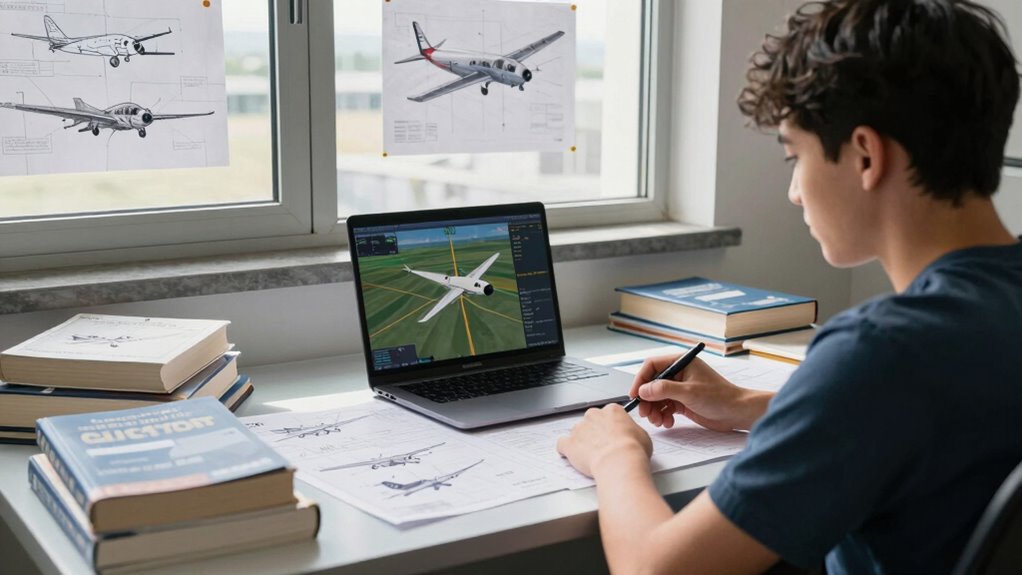

Even if you’re a practical learner, ground school is crucial because it provides essential theoretical knowledge that boosts your flying confidence and safety. It helps you understand how aircraft respond in various conditions and improves your decision-making skills. This knowledge supports troubleshooting and adapting to unexpected situations, making your flying more reliable. By mastering the fundamentals, you’ll become a more competent pilot. If you keep exploring, you’ll discover how theory and practice together make you a safer, smarter flyer.

Get travel and outdoor gear delivered free with Prime
- Fast, free delivery on millions of items
- Prime Video, Amazon Music and more included
- Member-only deals all year
Key Takeaways
- Provides a solid understanding of aerodynamics, enhancing aircraft handling and troubleshooting skills.
- Teaches navigation and communication protocols vital for safe and efficient flights.
- Builds decision-making skills through knowledge of procedures and emergency protocols.
- Strengthens situational awareness by integrating theoretical concepts with practical flying.
- Boosts confidence and safety by understanding the “why” behind aircraft behavior and responses.
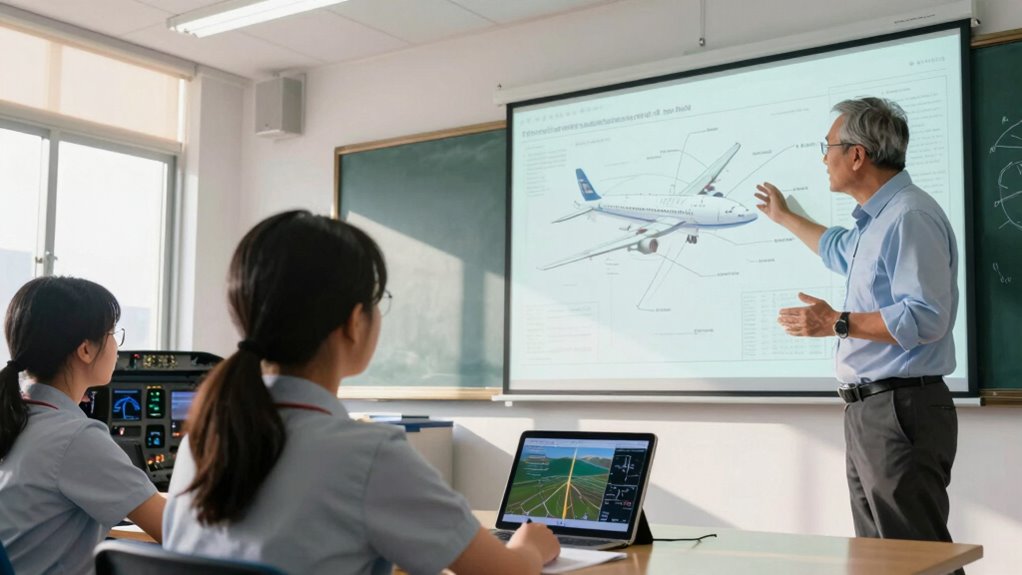
Why is ground school considered an essential step in becoming a skilled pilot? It’s because this phase lays the foundational knowledge you need to operate aircraft safely and confidently. While practical flying lessons teach you how to handle the controls, ground school immerses you in the fundamental theories that make flying possible. You’ll explore aerodynamics principles, understanding how lift, drag, thrust, and gravity interact to keep an airplane in the air. Grasping these concepts helps you anticipate aircraft behavior in different conditions, making you a more competent pilot. Without this knowledge, you’d be flying on instinct alone, which isn’t enough for safe and effective flying.
In addition to aerodynamics principles, ground school introduces you to navigation techniques that are essential for safe flight. You learn how to interpret charts, use navigation aids, and plan routes effectively. These skills are important because they guarantee you can reach your destination accurately and avoid hazards. Knowing how to read weather reports and understand airspace regulations also forms part of your training, giving you the tools to make informed decisions in-flight. Navigation techniques aren’t just about reaching a point; they’re about maintaining situational awareness and adapting to changing conditions, which can be the difference between a safe flight and an emergency. Understanding these fundamental concepts is crucial for building confidence and ensuring safety in all phases of flight.
Ground school also emphasizes the importance of communication skills and procedural knowledge. You’ll learn how to communicate with air traffic control clearly and efficiently, a skill that’s essential in busy skies. Understanding standard procedures and emergency protocols prepares you to handle unexpected situations calmly and confidently. This theoretical background supports your practical flying skills, making you more prepared for real-world scenarios. Additionally, grasping the aerodynamics principles enhances your ability to troubleshoot and adapt to different aircraft behaviors, further supporting your overall competence. Recognizing the role of theory in practical flying helps you develop a comprehensive understanding of aircraft operations. Moreover, understanding the basic science behind flight can improve your ability to analyze and respond to unusual aircraft responses during flight. A solid grounding in aerodynamics also allows you to better anticipate how changes in weight, altitude, or weather might affect aircraft performance.
Even if you’re eager to get in the cockpit, skipping ground school isn’t advisable. It’s where you develop the mental framework that supports all your flying efforts. The knowledge gained about aerodynamics principles and navigation techniques enhances your ability to make quick, informed decisions during flight. It also boosts your confidence, knowing you understand the “why” behind the actions you take. Ultimately, ground school guarantees that when you’re flying, you’re not just controlling an aircraft—you’re doing so with a solid understanding of the science and procedures that make aviation safe and reliable.
pilot ground school training kit
As an affiliate, we earn on qualifying purchases.
As an affiliate, we earn on qualifying purchases.
Frequently Asked Questions
Can I Become a Pilot Without Formal Ground School Training?
You can’t become a certified pilot without formal ground school training. It’s crucial for understanding aviation safety, regulations, and navigation, which are essential for pilot certification. Ground school provides the foundational knowledge needed to operate aircraft safely and confidently. Skipping it risks missing important information, potentially compromising safety and certification. To guarantee you’re fully prepared and meet all requirements, completing ground school is an indispensable step in your pilot training journey.
How Does Ground School Enhance Practical Flying Skills?
Ground school enhances your practical flying skills by teaching you aeronautical theory, which helps you understand how aircraft operate. This knowledge allows you to make better decisions during flight, improving flight safety. You’ll learn to interpret instruments, plan routes effectively, and respond confidently to emergencies. Ultimately, ground school bridges the gap between theory and practice, making you a more competent and safer pilot, even if you’re a practical learner.
Is Online Ground School as Effective as In-Person Classes?
Is online ground school as effective as in-person classes? Absolutely. Think of virtual simulations and interactive modules as your flight’s autopilot, guiding you smoothly through complex concepts. Online courses offer flexibility, engaging multimedia, and realistic scenarios that make learning dynamic. While in-person classes provide hands-on experience, the combination of technology and self-paced study guarantees you grasp essential knowledge effectively, preparing you confidently for practical flying.
What Are the Common Misconceptions About Ground School?
Many people think ground school is just busywork or unnecessary, but it’s vital for building foundational knowledge and mastering the theory behind flying. You might believe practical skills alone are enough, but understanding concepts like aerodynamics and regulations ensures safe, confident flying. Don’t underestimate the importance of ground school—it’s where you solidify your knowledge, making your practical experience more effective and your overall training more thorough.
How Much Time Should I Dedicate to Ground School Weekly?
You should plan to dedicate about 8 to 12 hours weekly to ground school, depending on your study schedule and learning pace. Effective time management helps you stay consistent and avoid last-minute cramming. Break your study sessions into manageable blocks, set specific goals for each, and regularly review material. By maintaining a steady routine, you’ll build a solid foundation and stay prepared for your practical flying lessons.
Conclusion
Even if you’re a practical learner, ground school is vital. It provides the foundational knowledge that keeps you safe and confident during flight. Did you know that 90% of aviation accidents are linked to human error, often preventable through proper training? Skipping ground school might save time initially, but it increases risks later. Embrace it as an essential step—your safety and success depend on it. Trust the process, and you’ll soar with confidence.
Halloween Picks
halloween
As an affiliate, we earn on qualifying purchases.