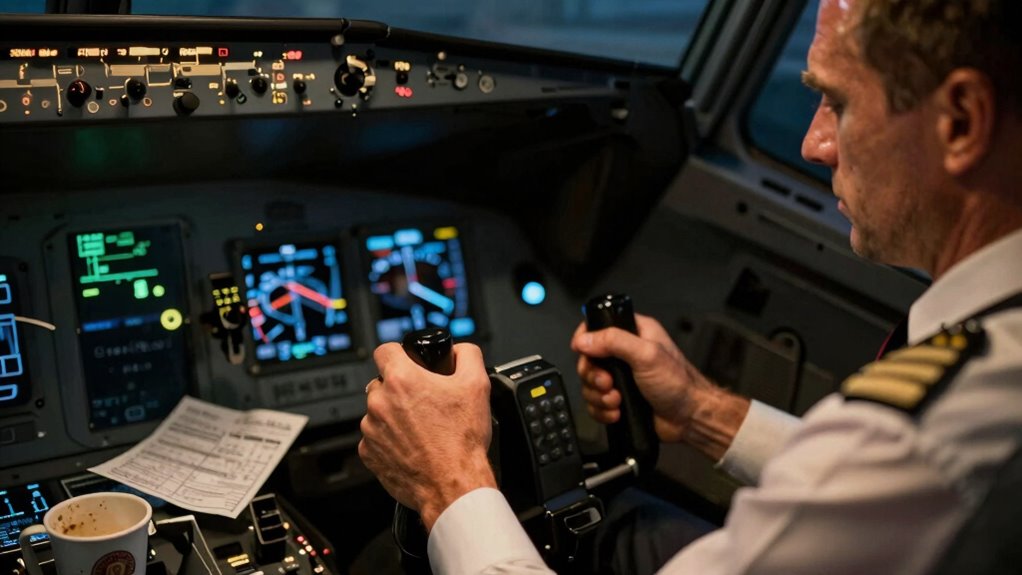

Human factors like miscommunication, stress, and cognitive biases often cause more problems than pilots admit, especially under pressure. You might hesitate to share concerns or admit uncertainties, which can lead to safety gaps. Stress and fatigue impair judgment, making it harder to communicate clearly or make good decisions. These hidden issues can escalate risks, often unnoticed until it’s too late. If you stay aware, you’ll discover ways to better understand and manage these human factors.

Get travel and outdoor gear delivered free with Prime
- Fast, free delivery on millions of items
- Prime Video, Amazon Music and more included
- Member-only deals all year
Key Takeaways
- Pilots often underreport communication issues that can lead to misunderstandings and safety gaps.
- Human biases, stress, and fatigue impair judgment, increasing errors during critical decision-making.
- Hierarchical dynamics and groupthink discourage voicing concerns, despite potential safety risks.
- Stress and social pressures influence behavior, causing pilots to withhold information or delay decisions.
- Recognizing human factors’ impact is vital to implementing strategies that reduce errors and enhance safety.
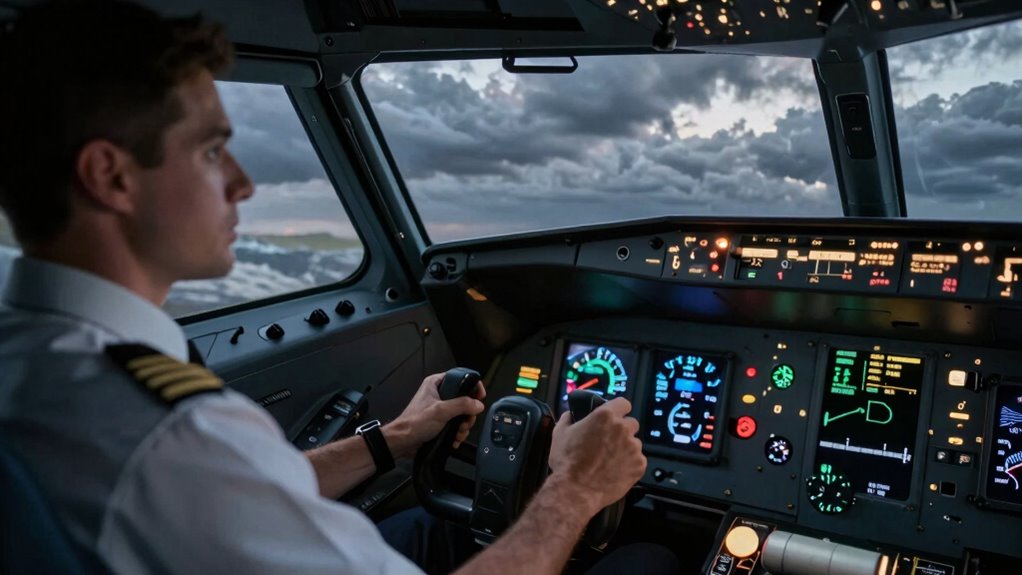
Human factors play a critical role in shaping pilot performance and safety, yet they often go unnoticed amid technical training and operational procedures. One essential aspect of these human factors is crew communication. You might think that pilots always communicate flawlessly, but in reality, miscommunications happen more often than you realize. When stress or fatigue set in, your ability to share information clearly can deteriorate, leading to misunderstandings that might compromise safety. Sometimes, in high-pressure situations, pilots hesitate to voice concerns or admit uncertainties, fearing it might seem unprofessional or cause delays. This reluctance can create gaps in crew communication, where important information isn’t passed along accurately or promptly. These lapses might seem minor at first, but they can snowball into serious safety issues if not addressed. Recognizing the importance of crew communication can help mitigate these risks.
Human factors like stress and fatigue can impair crew communication, increasing risk during critical moments.
Decision-making processes are another human factor that often causes more trouble than pilots admit. You might believe you’re always making the best call, but cognitive biases, stress, and fatigue can cloud judgment. When faced with unexpected challenges—like sudden weather changes or equipment failures—you may struggle to process information effectively or prioritize actions correctly. Sometimes, you might stick to familiar routines instead of exploring alternative solutions, especially under pressure. This tendency can hinder your ability to adapt swiftly and make excellent decisions. Additionally, groupthink or communication hierarchies within the cockpit can influence decision-making, suppressing dissenting opinions that might be critical for safety. When pilots don’t openly discuss concerns or options, they risk overlooking better solutions or delaying necessary actions. An awareness of decision-making biases can help pilots recognize and counteract these influences.
The interplay between crew communication and decision-making processes is critical. If communication falters, your ability to make informed, timely decisions diminishes. Conversely, poor decision-making can strain communication, causing crew members to withhold important information or escalate tensions. Moreover, understanding the impact of stress on human behavior can provide valuable insights into how to better manage high-pressure situations. Recognizing that these human factors are deeply interconnected helps you understand why errors occur even among experienced pilots. Often, these issues stem not from a lack of skill but from cognitive and social dynamics that are difficult to manage under pressure.
Ultimately, you need to be aware that human factors like crew communication and decision-making processes are constantly at play, influencing your performance more than you might admit during routine operations. By acknowledging these vulnerabilities, you can develop better awareness, foster open communication, and cultivate decision-making strategies that mitigate errors. Recognizing these hidden challenges allows you to enhance safety and ensure smoother flights, even when the unexpected arises.
As an affiliate, we earn on qualifying purchases.
Frequently Asked Questions
How Do Human Factors Influence Airline Safety Protocols?
Human factors profoundly influence airline safety protocols by affecting crew communication and cockpit ergonomics. You might overlook how communication breakdowns lead to errors, or how poor cockpit design hampers quick decision-making. Recognizing these issues prompts you to improve crew interactions and cockpit layouts, reducing mistakes. Addressing human factors guarantees safety protocols are more effective, helping you create a safer flying environment where pilots can operate confidently and efficiently, even under stress.
What Unseen Psychological Pressures Affect Pilot Decision-Making?
You’re often unaware of unseen psychological pressures influencing your decision-making. Cognitive biases, like confirmation bias, can cloud your judgment, while emotional stress from fatigue or external worries can impair your focus. These unseen stresses subtly sway your safety-sensitive choices, sometimes leading to overlooked risks or rushed responses. Recognizing these pressures helps you stay alert, avoid errors, and make more mindful, measured decisions during critical moments in flight.
Are There Hidden Biases Impacting Pilot Judgment During Emergencies?
Yes, hidden biases like cognitive biases and emotional influences can impact your judgment during emergencies. You might unconsciously rely on past experiences or succumb to stress, clouding your decision-making process. These biases can lead you to overlook critical information or make hasty choices. Recognizing and managing these psychological traps is essential to maintain clear thinking and guarantee safety, especially when every second counts in high-pressure situations.
How Does Fatigue Specifically Impair Pilot Performance?
When you’re fatigued, sleep deprivation leads to cognitive decline, making it harder to process information quickly. For example, a pilot experiencing exhaustion might overlook critical warning signals or misjudge distances, increasing error risk. Fatigue impairs judgment, slows reactions, and reduces situational awareness. This makes you less effective during emergencies, where sharp decision-making is essential. Recognizing fatigue’s impact helps you prioritize rest to guarantee peak performance.
What Training Gaps Exist Regarding Human Factors Awareness?
You may face training deficiencies and awareness gaps regarding human factors, which can limit your understanding of how psychological and physiological issues impact performance. Many training programs focus heavily on technical skills, neglecting the importance of recognizing and managing fatigue, stress, or communication errors. To improve safety, you need thorough awareness training that highlights these human factors, helping you identify risks early and respond effectively to prevent errors.
Conclusion
So, as you navigate the nuances of human factors, remember that behind the controls, your focus must forge a fearless future. By facing flaws and fostering focus, you can prevent pitfalls and pilot progress. Recognize the risks, respect the reactions, and refine your response. With vigilance and vigilance alone, you’ll master the maze of human nature, making each flight safer, smoother, and more sophisticated. Keep your eyes open and your efforts unwavering—your journey depends on it.
Halloween Picks
halloween
As an affiliate, we earn on qualifying purchases.