
To improve cruise efficiency between climbs, focus on maintaining ideal speed using your flight management system, which balances fuel use and flight time. Streamline airflow by avoiding unnecessary drag and adjusting aircraft trim for smooth conditions. Make strategic use of weather by leveraging tailwinds and avoiding headwinds or turbulence. Small, precise adjustments in speed and altitude, based on real-time conditions, can save fuel and extend range. Keep exploring these tactics to maximize your flight’s efficiency and sustainability.

Get travel and outdoor gear delivered free with Prime
- Fast, free delivery on millions of items
- Prime Video, Amazon Music and more included
- Member-only deals all year
Key Takeaways
- Maintain optimal cruise speed using modern flight management systems to balance fuel efficiency and flight time.
- Leverage favorable wind conditions, such as tailwinds, to reduce fuel consumption during cruise.
- Keep aircraft aerodynamically clean by retracting high-drag devices and ensuring proper trimming.
- Make small, continuous adjustments to throttle and altitude based on real-time environmental data.
- Monitor fuel consumption closely and adjust flight parameters proactively to sustain efficiency.
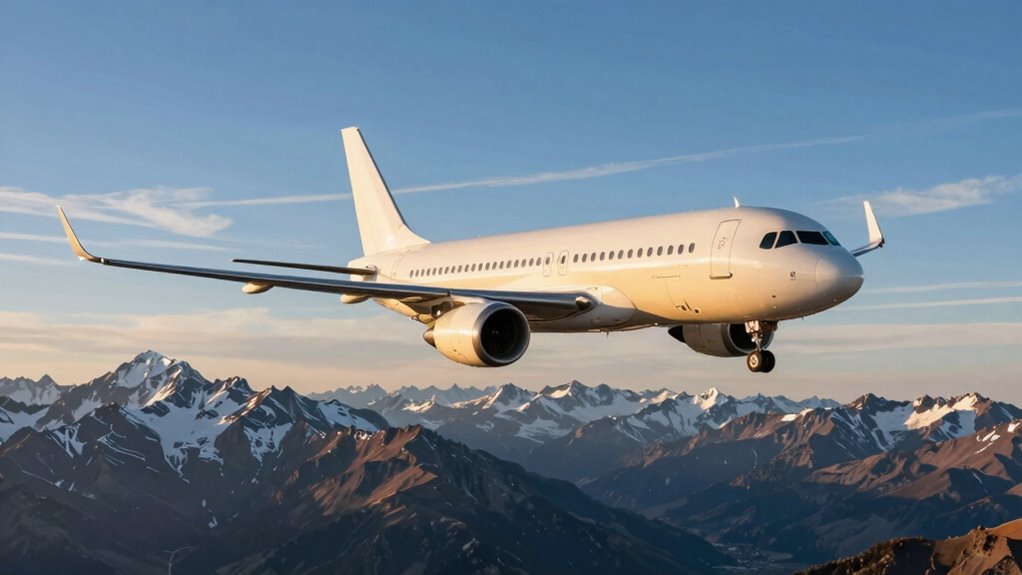
Ever wonder how pilots maximize fuel efficiency during the cruise phase between climbs? It all comes down to effective fuel management and aerodynamic enhancement. When you’re cruising at altitude, every gallon saved extends your range, reduces costs, and minimizes environmental impact. Pilots and flight crews focus on precise fuel planning beforehand, guaranteeing the aircraft carries only what’s necessary for the journey. This means carefully calculating fuel loads, factoring in reserves, potential delays, and alternate routes. Once in the air, pilots continuously monitor fuel consumption, adjusting as needed to avoid unnecessary fuel burn.
Effective fuel management and aerodynamic improvements maximize efficiency during cruise, extending range and reducing costs.
Aerodynamic enhancement plays a critical role in maintaining fuel efficiency during cruise. The aircraft’s shape and how smoothly it moves through the air directly influence fuel consumption. Pilots aim to minimize drag by maintaining a steady, clean airflow around the fuselage, wings, and control surfaces. They avoid abrupt maneuvers that can create turbulence and increase resistance. Additionally, they ensure that flaps, slats, and other high-drag devices are retracted once at cruise altitude, reducing aerodynamic drag considerably. Properly trimmed aircraft also help keep airflow smooth, preventing unnecessary engine workload and fuel burn. Maintaining optimal aircraft configuration is essential for sustaining maximum efficiency during flight. Implementing fuel management strategies is equally important to optimize overall efficiency.
Optimizing cruise speed is another key aspect. Flying too fast can increase drag exponentially, consuming more fuel, while flying too slow might extend flight time and increase overall costs. Pilots rely on established ideal speeds, often referred to as “economic cruise speed,” which balances fuel efficiency and flight time. They adjust throttle inputs to maintain this speed, avoiding unnecessary acceleration or deceleration. Modern aircraft are equipped with advanced flight management systems (FMS) that assist in calculating the most efficient speeds and altitudes based on current conditions, such as wind patterns and aircraft weight. These systems also help pilots adapt to changing environmental factors by providing real-time guidance.
Weather conditions, particularly wind, also influence fuel management and aerodynamic efficiency. Pilots leverage tailwinds to boost speed without additional fuel, while headwinds may require strategic adjustments to altitude or speed. By staying alert to changing conditions, they ensure the aircraft remains in its most aerodynamically efficient state. Recognizing how environmental factors impact flight efficiency allows for better route planning and fuel conservation.
In essence, improving cruise efficiency between climbs involves a combination of meticulous fuel management and aerodynamic enhancement. By carefully planning fuel loads, maintaining smooth airflow, flying at ideal speeds, and adapting to weather, pilots can greatly reduce fuel consumption. These practices not only save money but also contribute to a more sustainable, environmentally friendly flight. Every small adjustment counts in the pursuit of maximum efficiency during the cruise phase, helping you reach your destination with minimal fuel expenditure.
aircraft fuel efficiency monitor
As an affiliate, we earn on qualifying purchases.
As an affiliate, we earn on qualifying purchases.
Frequently Asked Questions
What Are the Best Engine Settings for Optimal Cruise Efficiency?
For ideal cruise efficiency, you should focus on engine tuning and fuel management. Adjust your engine settings to maintain a steady, fuel-efficient power output, avoiding unnecessary throttle changes. Use precise fuel management techniques, like lean-of-best-power settings, to reduce fuel consumption while maintaining performance. Regularly monitor engine parameters and make incremental adjustments, ensuring your engine runs smoothly and efficiently, saving fuel and improving overall cruise performance.
How Does Aircraft Weight Impact Cruise Fuel Consumption?
Think your aircraft’s weight doesn’t matter? Think again. An increased aircraft load boosts fuel burn, making your plane chug through the sky like a stubborn mule. Every extra pound means more effort from the engine, draining your fuel faster and lowering cruise efficiency. So, if you want to stretch that fuel, keep the aircraft load in check. Less weight equals less fuel burn and a happier wallet.
Can Weather Conditions Significantly Affect Cruise Efficiency?
Weather variability can markedly impact your cruise efficiency because changing conditions like wind, temperature, and turbulence influence fuel consumption. As a pilot, your decision making becomes essential—you might adjust altitude or course to optimize efficiency amid fluctuating weather. Being proactive and responsive to weather changes helps you maintain better fuel economy and smoother flights, ensuring you adapt effectively to conditions beyond your control.
What Role Does Autopilot Play in Maintaining Efficiency?
Autopilot plays a vital role in maintaining cruise efficiency through autopilot optimization and precise flight path planning. You can rely on autopilot to keep your aircraft on the most efficient route, adjusting for wind and weather conditions in real-time. By fine-tuning autopilot settings and planning your flight path carefully, you maximize fuel efficiency and minimize deviations, ensuring a smoother, more economical cruise between climbs.
How Often Should Maintenance Be Performed to Ensure Optimal Cruise Performance?
You should perform regular maintenance every 50 to 100 flight hours to keep your aircraft operating efficiently. This includes thorough checks on fuel management systems and engine performance. Proper pilot training is essential to identify potential issues early, ensuring peak cruise performance. Consistent maintenance helps prevent unexpected problems, maximizes fuel efficiency, and maintains smooth operation, so stay diligent with scheduled inspections and stay updated on best practices for fuel management and aircraft care.
Conclusion
As you fine-tune your cruise efficiency between climbs, you’ll notice smoother flights and better fuel economy—almost like the aircraft and your skills are dancing in harmony. Sometimes, the smallest adjustments lead to the most surprising savings, making each flight feel effortless. It’s funny how a tiny tweak can turn a routine climb into a seamless glide, almost as if the skies are aligning just for you. Keep experimenting, and enjoy the unexpected rewards of your improved flying rhythm.
Halloween Picks
halloween
As an affiliate, we earn on qualifying purchases.