
Midair avoidance starts before takeoff because you need to plan routes, check weather, and communicate with air traffic control to prevent conflicts. By reviewing flight plans, understanding airspace restrictions, and ensuring systems are working correctly, you reduce risks early on. This proactive approach helps avoid surprises during flight. The key is thorough preparation and constant awareness, which keeps everyone safe. Keep exploring to discover more about how these safety measures come together.

Get travel and outdoor gear delivered free with Prime
- Fast, free delivery on millions of items
- Prime Video, Amazon Music and more included
- Member-only deals all year
Key Takeaways
- Early route planning helps identify and mitigate potential conflicts before aircraft are airborne.
- Reviewing weather and airspace information minimizes risks during initial flight phases.
- Continuous communication with air traffic control ensures coordinated separation from other aircraft.
- System checks before takeoff confirm collision avoidance tools are functioning properly.
- Proactive safety measures in pre-flight planning prevent midair conflicts during ascent.
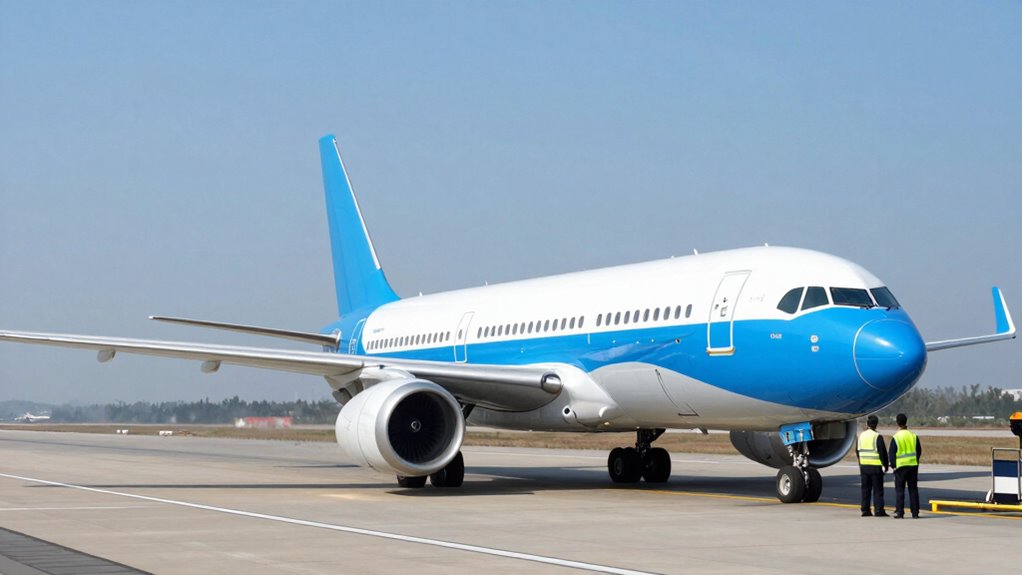
Before a plane even taxis down the runway, pilots are already planning how to avoid midair collisions. This proactive approach is crucial for aircraft safety, guaranteeing that every flight begins with clear strategies for preventing accidents. The moment you step into the cockpit, your training kicks in, guiding you through meticulous pre-flight procedures. These steps aren’t just routine; they’re essential components of maintaining safety in an increasingly crowded sky.
Your pilot training emphasizes the importance of situational awareness from the very start. You learn to interpret weather reports, coordinate with air traffic control, and review flight plans to identify potential risks. This preparation allows you to anticipate conflicts well before takeoff. For example, you’re trained to check the air traffic environment, ensuring your planned route doesn’t intersect with other aircraft paths. This foresight helps maintain safe separation between planes, which is fundamental to aircraft safety.
Aircraft safety isn’t just about what happens during the flight; it begins long before engines roar to life. During your training, you become familiar with the importance of understanding NOTAMs (Notices to Airmen), which provide essential information about temporary hazards or restrictions. You learn to analyze these notices so you can adjust your plans accordingly. This early planning prevents last-minute surprises that could compromise safety once in the air. Additionally, understanding airspace management is key to maintaining safe distances and avoiding conflicts. Recognizing the significance of aviation safety protocols further enhances your ability to prevent potential hazards. A comprehensive understanding of collision avoidance systems helps you respond effectively to alerts during flight. Moreover, staying updated on current aviation regulations ensures compliance and operational safety, reducing the risk of preventable incidents. Being knowledgeable about air traffic control procedures is also essential for coordinating effectively and avoiding misunderstandings that could lead to conflicts.
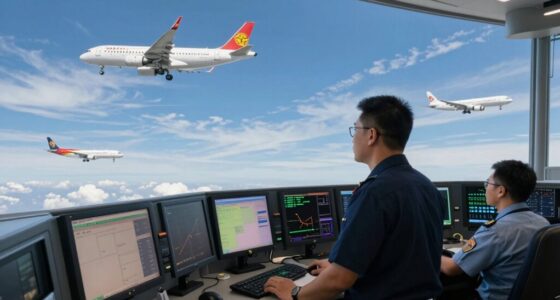
Communication plays a crucial role in midair collision avoidance, and your training emphasizes clear, continuous dialogue with air traffic control. Before takeoff, you confirm your flight path, altitude, and departure procedures. This coordination ensures everyone involved understands your intentions and can alert you to potential conflicts. Such communication is a cornerstone of aircraft safety, built into every step of the process.
Furthermore, your training inculcates the discipline of thorough pre-flight inspections and checklists. These routines verify that all navigation systems, radar, and collision avoidance tools are functioning correctly. Modern aircraft are equipped with Traffic Collision Avoidance Systems (TCAS), but you’re trained to interpret and respond to these alerts appropriately. Starting the flight with reliable systems and a clear plan maximizes safety and minimizes risks during the critical initial phase of flight.
In essence, midair collision avoidance begins long before you leave the ground. Your pilot training provides the knowledge, skills, and discipline needed to anticipate, communicate, and prepare, guaranteeing aircraft safety from the moment you taxi onto the runway.
pre-flight aircraft collision avoidance systems
As an affiliate, we earn on qualifying purchases.
As an affiliate, we earn on qualifying purchases.
Frequently Asked Questions
How Do Pilots Prepare for Midair Avoidance Before Takeoff?
You prepare for midair avoidance before takeoff by reviewing aircraft maintenance records to guarantee everything’s in top shape, reducing unexpected issues. You also assess weather considerations, checking for conditions like fog, storms, or turbulence that could impact visibility or flight safety. By thoroughly planning and communicating with your crew, you guarantee you’re ready to respond quickly to any midair threats, maintaining safe separation from other aircraft throughout your flight.
What Technology Assists in Early Midair Collision Detection?
Think of technology as your vigilant guardian, constantly watching the skies. Satellite tracking and radar systems act like an eagle’s sharp eyes, detecting potential threats early. These tools provide real-time data, alerting pilots to nearby aircraft long before danger lurks nearby. By integrating these advanced systems, you gain an essential head start in midair collision avoidance, ensuring safer flights and peace of mind from takeoff to landing.
Are There Specific Training Protocols for Midair Avoidance?
Yes, there are specific training protocols for midair avoidance. You’re trained in emergency procedures that help you respond quickly to potential collisions. Effective pilot communication is essential; you learn how to coordinate with air traffic control and other aircraft to maintain situational awareness. These protocols emphasize early detection, clear communication, and decisive action, ensuring you can avoid midair conflicts safely and efficiently, especially during vital phases like takeoff and climb.
How Do Air Traffic Controllers Coordinate to Prevent Collisions?
Think of air traffic controllers as conductors of a vast symphony, guaranteeing every aircraft moves in harmony. They coordinate through strict airspace regulations and meticulous flight path planning, like charting a safe route on a complex map. By constantly communicating via radar and radio, they keep an eye on aircraft, adjusting their paths before conflicts arise. This proactive approach ensures the skies stay safe, preventing collisions before they ever become a concern.
What Are the Legal Consequences of Midair Collisions?
If a midair collision occurs, legal consequences can be severe. You could face charges of negligence or violation of aviation safety laws, especially if aircraft visibility was poor or pilot communication was inadequate. Authorities hold pilots responsible for maintaining situational awareness and clear communication. You may also face civil penalties or lawsuits. Proper adherence to safety protocols and open communication are essential to avoiding legal repercussions after an incident.
Conclusion
As you prepare for takeoff, remember that midair avoidance isn’t just a quick reflex—it’s a mindful dance that starts before you even leave the ground. Like a cautious traveler scanning the horizon, you set the stage for safety, weaving awareness into every move. By starting early, you craft a symphony of vigilance that keeps you flying smoothly through the skies. Embrace this rhythm, and let it be your guiding star above the clouds.
Fall Picks
fall essentials
As an affiliate, we earn on qualifying purchases.