
TL;DR

Get travel and outdoor gear delivered free — and shop member deals
- Fast, free delivery on millions of items
- Access to Prime Big Deal Days deals on October 6–7
- Prime Video, Amazon Music and more included
Outdoor patio furniture sets vary widely in materials, styles, and price. Durable options like teak and aluminum last longer, while eco-friendly designs are trending. Proper maintenance extends their lifespan, making smart choices essential for your outdoor oasis.
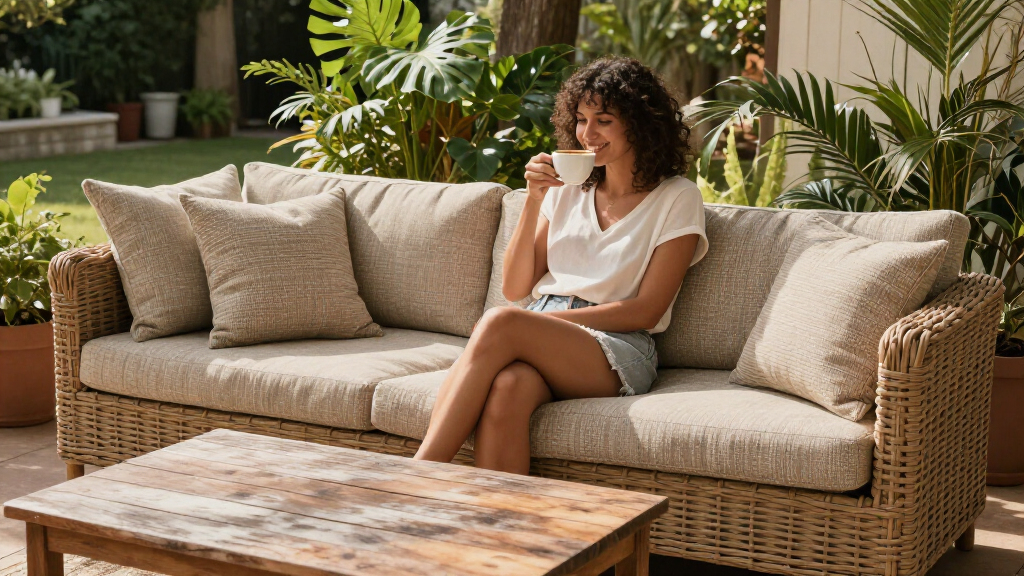
Imagine sinking into a cozy outdoor sofa, surrounded by vibrant cushions and the scent of blooming flowers. Your backyard becomes an extension of your living space—an inviting haven for family, friends, or quiet evenings alone. But building that perfect outdoor retreat starts with choosing the right patio furniture set. Not all are created equal, and knowing what to look for can save you money, time, and frustration.
This guide breaks down everything you need to know—materials, styles, recent trends, and practical tips—to help you pick a set that matches your space, lifestyle, and budget. Ready to turn your outdoor area into the ultimate hangout spot? Let’s dive in.
Choose durable materials like teak or aluminum for longer-lasting outdoor furniture.
Match your furniture style to your outdoor decor to create a cohesive, inviting space.
Invest in weatherproof cushions made with quick-dry, UV-resistant fabrics for year-round comfort.
Measure your space carefully to select sets that fit without overcrowding or leaving gaps.
Maintain your furniture regularly with simple cleaning and protective covers to extend its lifespan.
What Material Makes Outdoor Furniture Last the Longest?
When it comes to outdoor patio furniture sets, material choice is everything. It’s the difference between furniture that fades, rots, or rusts within a few years versus pieces that stand up to sun, rain, and wind for a decade or more.
Teak, a dense tropical hardwood, is renowned for its durability and natural oils that resist water and pests. Its ability to age gracefully, developing a silvery patina if left untreated, means it can blend into natural surroundings or be refinished for a fresh look. The tradeoff? Teak requires periodic oiling if you want to maintain its warm hue. Choosing teak means investing upfront for longevity; neglecting maintenance can lead to quicker weathering, but its inherent resilience often makes it worth the effort.
Then there’s aluminum. Lightweight, rust-proof, and easy to move, aluminum furniture is ideal for coastal or humid climates where moisture is a constant threat. Modern aluminum frames often come with UV-resistant powder coatings, which prevent fading and surface degradation. This means your furniture retains its appearance longer with less upkeep. However, aluminum can feel less substantial and may not suit those seeking a traditional or heavy look, which is a tradeoff for its ease of maintenance and longevity. Investing in quality powder coating can mean fewer touch-ups and a longer lifespan, making it a smart choice for busy households.
Other popular options include synthetic resin wicker, which mimics natural wicker but resists moisture, and steel, which offers strength but may require rust prevention treatments. Each material has its implications: resin wicker’s flexibility and weather resistance come at the cost of potentially less structural strength, while steel’s durability is offset by its weight and susceptibility to rust if untreated.
Pro tip: Mixing materials—like an aluminum frame with weather-resistant cushions—can maximize lifespan and comfort, allowing you to tailor your furniture to your climate and aesthetic preferences.
As an affiliate, we earn on qualifying purchases.
How to Pick the Perfect Style for Your Outdoor Space
Style isn’t just about looks—it sets the mood of your outdoor retreat. Whether you want a sleek modern vibe or a cozy rustic feel, your furniture should reflect your personality and match your existing decor. But beyond aesthetics, style impacts functionality and how well your furniture integrates into your lifestyle.
For example, a modern style with clean lines and neutral tones can create a sense of spaciousness and simplicity, ideal for small or contemporary spaces. Rustic designs with natural wood finishes evoke warmth and charm, fostering a relaxed, inviting atmosphere perfect for casual gatherings. Coastal styles, featuring light colors and weathered finishes, can make your outdoor space feel like a seaside retreat, encouraging relaxation and leisure.
Here’s a comparison to help you choose:
| Style | Key Features | Implications |
|---|---|---|
| Modern | Clean lines, neutral colors, minimalist design | Maximizes space, easy to coordinate with contemporary decor, but may lack warmth |
| Rustic | Natural wood, earthy tones, distressed finishes | Creates cozy, inviting atmosphere; may require more maintenance due to natural materials |
| Coastal | Light blues, whites, weathered wood | Fosters a relaxed, breezy vibe; suitable for casual, beach-inspired settings |
| Traditional | Ornate details, rich fabrics, classic shapes | Elegant and timeless; may be less adaptable to modern aesthetics |
Choosing a style influences not only the look but also the durability and maintenance needs of your furniture. For instance, coastal styles with weathered finishes may require specific cleaning routines to preserve their charm, while rustic pieces might need periodic sealing to prevent weather-related damage. Understanding these tradeoffs ensures your outdoor setup remains beautiful and functional over time.
Remember: your style choice impacts the size, shape, and color of your furniture, so select options that resonate with your lifestyle and how you want to feel in your outdoor space.
Comfort Counts: Finding Cushions That Feel Good and Last
Comfort isn’t just about plush cushions—though that helps. It’s about finding weatherproof padding that stays comfortable year after year. If you’ve ever sat on a lumpy, damp cushion, you know how quickly it ruins the mood. But comfort also involves proper support and breathability, which can prevent fatigue and discomfort during extended use.
Look for cushions made with quick-dry foam and UV-resistant, stain-proof fabrics. For instance, Sunbrella fabrics are popular because they resist fading, mold, and mildew, making them ideal for outdoor conditions. The choice of foam matters: quick-dry foam allows water to escape quickly, preventing mold and mildew buildup, while dense foam provides better support for prolonged sitting. Removable covers facilitate cleaning, but also allow you to replace or upgrade cushions over time, extending their usability.
Adding extra pillows or throws not only enhances comfort but also allows customization and seasonal updates. For example, soft, weather-resistant pillows can turn a basic seating area into a cozy nook, encouraging longer, more relaxed gatherings. The key is balancing softness with support and choosing fabrics that withstand the elements without sacrificing comfort.
Imagine hosting a summer barbecue where guests sink into cushions that stay dry, supportive, and inviting, regardless of weather. This combination of comfort and durability encourages frequent use and reduces replacement costs.
Tradeoffs exist between softness, support, and weather resistance. Softer cushions may feel luxurious but could be less durable, while firmer cushions last longer but might sacrifice plushness. Understanding these tradeoffs helps you select cushions that meet your comfort needs and climate challenges.
Which Sizes and Sets Fit Your Space Without Cluttering?
Size matters. You want enough furniture to entertain but not so much it overwhelms your yard or patio. A cramped space feels claustrophobic, while too little furniture can leave you wishing for more. The key is to find a balance that maximizes usability without sacrificing aesthetic harmony.
Start by measuring your area carefully, considering pathways and movement space. For small balconies or patios, a bistro set with two chairs and a compact table creates an intimate setting without overcrowding. For larger yards, sectional sofas or expansive dining sets allow for more guests and versatile arrangements, but they must be proportionate to the space to avoid feeling overwhelming.
Matching set sizes to your space involves understanding the function you desire. For example, if you love hosting large gatherings, prioritize larger dining tables and lounge areas. If your goal is quiet evenings, smaller, cozy arrangements will suffice.
Here’s a guide to choosing the right size:
- Small patios or balconies: 2-4 seats, compact designs that don’t block views or pathways
- Medium yards: 4-6 seats, versatile tables and chairs for family and friends
- Larger outdoor areas: 8+ seats, sectional sofas, or multiple dining groups for entertaining
For example, a family with a spacious backyard might opt for a large dining table with eight chairs and a sectional sofa, creating a flexible space for both dining and lounging. Proper sizing ensures that your outdoor furniture enhances your space rather than dominates or underwhelms it, making every inch functional and inviting.
Weatherproofing and Maintenance Tips to Keep Your Furniture Looking New
Outdoor furniture faces sun, rain, and wind—and those elements can take a toll. The good news? With a little care, your set can last a long time, maintaining its appearance and structural integrity. Neglecting maintenance can lead to issues like rust, rot, or fabric deterioration, which may require costly repairs or replacements. Regular upkeep preserves your investment and ensures your outdoor space remains inviting.
Start with simple habits: wipe down surfaces regularly with mild soap and water to remove dirt and prevent buildup of grime that can accelerate wear. For fabric cushions, spot clean and store or cover during heavy rain or winter to prevent mold and fading. Protective covers are a smart investment—they act as armor, shielding your furniture from harsh weather when not in use. Elevating furniture slightly on level, non-slip pads prevents scratches and keeps everything stable during windy days, reducing the risk of damage.
For example, a set of aluminum chairs stored under a waterproof cover can stay shiny and rust-free for over a decade. Wooden sets benefit from annual sealing or oiling, which helps maintain their moisture resistance and appearance. Regular inspections for loose joints or rust spots allow you to address issues early, preventing more significant damage later.
Consistent maintenance routines, tailored to your furniture’s materials, significantly extend their lifespan. Think of it as giving your outdoor setup a regular tune-up—small efforts today save money and hassle tomorrow.
Latest Trends in Outdoor Patio Furniture You’ll Want to Know
The outdoor furniture market is buzzing with innovation. From eco-friendly materials to tech integrations, staying current helps you pick furniture that’s both stylish and future-proof. These trends reflect evolving consumer values—prioritizing sustainability, versatility, and smart features—while also offering practical benefits such as durability and convenience.
One hot trend is sustainable design. Brands now use recycled plastics, responsibly sourced woods, and eco-friendly finishes to reduce environmental impact. For example, chairs made from 100% recycled ocean plastics not only demonstrate environmental responsibility but also offer durability comparable to traditional materials. This shift toward sustainability encourages consumers to make eco-conscious choices without sacrificing style or longevity, aligning personal values with outdoor living.
Another trend is modular and multi-functional furniture. Think sectional sofas with built-in storage or tables that convert from dining to coffee height. These pieces adapt to your needs, saving space and adding versatility, which is especially valuable in smaller yards or urban settings. They also allow for dynamic arrangements, making your outdoor space more adaptable and engaging.
Smart features are increasingly common—such as built-in USB ports, weatherproof speakers, or LED lighting—transforming your patio into an entertainment hub. Imagine relaxing with music, charging devices, and enjoying a sunset—all from the comfort of your outdoor furniture. These innovations enhance convenience and create a modern, tech-savvy outdoor lifestyle.
Finally, fabrics are evolving to resist stains, UV damage, and mold. Choosing pieces with these features ensures your furniture stays fresh longer, reducing replacement frequency and maintenance efforts. Embracing these trends means your outdoor space remains stylish, functional, and resilient across seasons, reflecting a forward-thinking approach to outdoor living.
Frequently Asked Questions
What is the most durable material for outdoor furniture?
Teak and aluminum are the top contenders for durability. Teak’s natural oils resist water and pests, lasting up to 15 years, while aluminum is lightweight, rust-proof, and typically lasts over a decade with minimal upkeep.How do I choose the right size for my outdoor space?
Measure your area carefully, leaving enough room to move comfortably. For small patios, opt for bistro sets; larger yards can accommodate bigger dining or sectional sets. Use the guideline of 4-6 seats for medium spaces and more for large areas.Are outdoor cushions weatherproof?
Yes. Look for cushions with quick-dry foam and fabrics like Sunbrella that resist fading, mold, and stains. Removable covers make cleaning easier, and storing cushions during harsh weather prolongs their appearance and comfort.How much should I expect to spend on a quality patio furniture set?
Budget sets start around $200-$500, mid-range options cost between $1,000 and $3,000, and premium, luxury sets can go beyond $5,000. Your choice depends on material, brand, and design complexity.How do I maintain and clean outdoor furniture?
Regularly wipe down surfaces with mild soap and water. Cover or store during winter or heavy rain, especially for wooden or fabric pieces. Follow manufacturer instructions for specific care tips to keep furniture looking fresh.Conclusion
Getting the right outdoor patio furniture set isn’t just about looks—it’s about making a space that invites you to relax, entertain, and enjoy the outdoors for years. Think durability, style, and comfort, then match those with smart maintenance habits.
Picture your perfect backyard—vivid colors, cozy cushions, and sturdy furniture ready for every season. That’s within reach, as long as you choose wisely and care for your set. Your outdoor oasis awaits.
Fall Picks
fall essentials
As an affiliate, we earn on qualifying purchases.