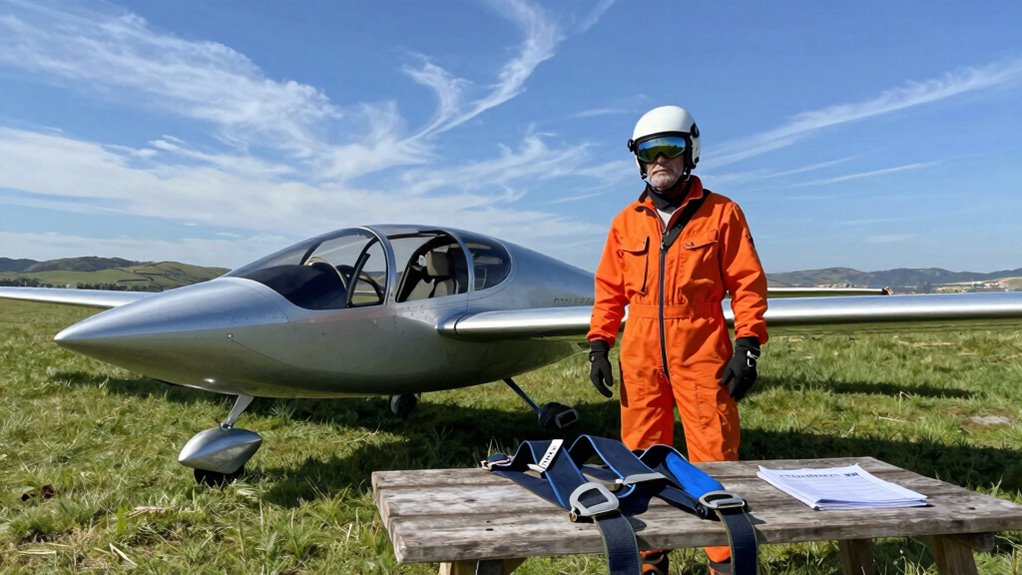

As a powered sailplane pilot, you need different safety habits because you’re managing an engine, fuel, and electrical systems alongside flying skills. These systems add variables that unpowered glider pilots don’t face, requiring you to follow specific emergency procedures and communication protocols. Regular checks and swift responses are essential to prevent mechanical issues. If you continue exploring, you’ll discover how these habits help keep you safe and confident in various flight situations.

Get travel and outdoor gear delivered free with Prime
- Fast, free delivery on millions of items
- Prime Video, Amazon Music and more included
- Member-only deals all year
Key Takeaways
- Powered sailplanes involve engine management, adding complexity and requiring specific emergency procedures not used in unpowered gliding.
- They require distinct communication protocols to coordinate engine status and flight intentions safely.
- Regular pre-flight checks must include engine and electrical systems, unlike standard gliders.
- Mechanical issues are more common, necessitating tailored safety routines for powered systems.
- Pilots must develop habits that address both soaring and powered flight risks to ensure comprehensive safety.
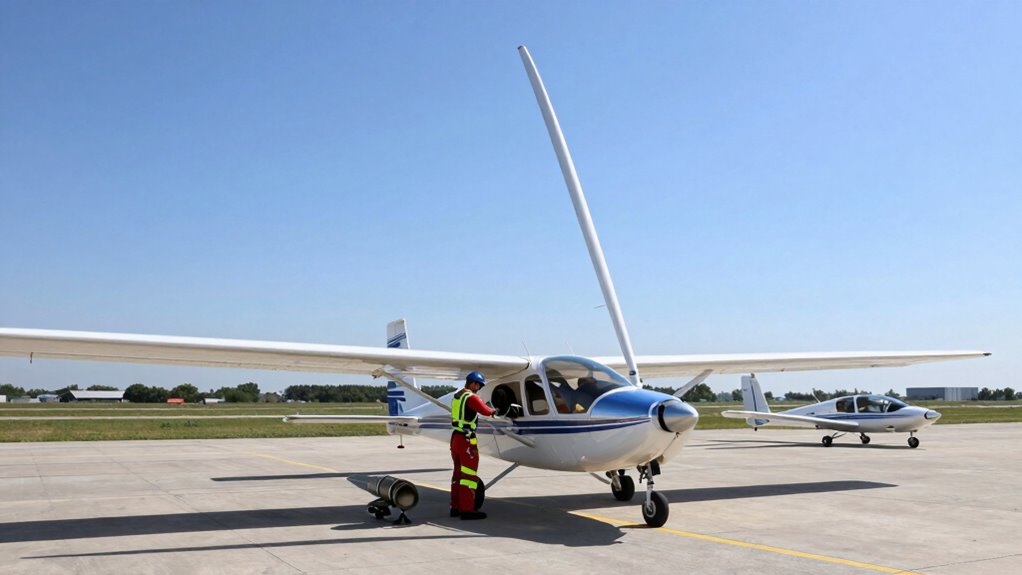
Flying a powered sailplane requires more than just skill; it demands a strong commitment to safety habits that can prevent accidents and guarantee enjoyable flights. One of the most critical aspects of maintaining safety is mastering emergency procedures. Unlike traditional gliders, powered sailplanes have engines, which introduce additional risks such as engine failure, fuel issues, or electrical malfunctions. You must be prepared to handle these situations swiftly and confidently. Regularly practicing emergency protocols ensures you know exactly what steps to take if the engine stops unexpectedly or if other mechanical problems arise mid-flight. This preparation minimizes panic and allows you to respond effectively, keeping yourself and others safe.
Equally important are communication protocols. Clear, consistent communication with air traffic control, other pilots, and ground personnel forms the backbone of safe powered sailplane operations. You should always establish and follow established communication procedures before and during your flight. This includes using designated radio frequencies, adhering to standard phraseology, and maintaining a steady communication flow to report your position, altitude, and intentions. Proper communication helps prevent misunderstandings and reduces the risk of collisions, especially in busy airspace or when flying in formation with other aircraft. It also ensures that assistance can be provided quickly if an emergency occurs. Developing effective communication skills is essential to ensure clarity and safety during all phases of flight.
Your safety habits should include pre-flight checks focused on both the aircraft’s systems and your communication equipment. Confirm that your radio is functioning correctly, that your emergency locator transmitter (ELT) is operational, and that all safety gear is in place. Staying vigilant about these details enhances your ability to respond promptly to any unforeseen issues. During the flight, continuously monitor engine performance indicators and weather conditions. If you detect any anomalies, follow your emergency procedures and communicate promptly with air traffic control to declare an emergency if necessary. Incorporating proper maintenance routines further helps prevent mechanical failures and keeps your aircraft in optimal condition. Additionally, understanding engine failure procedures specific to powered sailplanes ensures you are prepared for engine-related incidents.
After each flight, review your emergency procedures and communication practices. Think about what went well and where you can improve. Regular training exercises and staying updated on best practices reinforce your safety habits and prepare you for the unexpected. It is also beneficial to review mechanical issues and how they can be identified early during flight. Remember, powered sailplane flying involves more variables than unpowered gliding, so integrating rigorous emergency procedures and robust communication protocols into your routine is essential. These habits aren’t just safety measures—they’re your safeguard against mishaps, ensuring each flight remains as safe and enjoyable as possible.
As an affiliate, we earn on qualifying purchases.
Frequently Asked Questions
How Does Powered Flight Affect Emergency Procedures in Sailplanes?
Powered flight considerably impacts your emergency procedures in sailplanes, especially concerning emergency handling and power loss. When you experience power loss, you must quickly switch to glide mode, prioritize safe landing sites, and execute emergency descent techniques. Unlike traditional sailplanes, you need to be prepared for engine failure and manage power control effectively. This requires different safety habits, emphasizing engine management, immediate troubleshooting, and swift decision-making to guarantee safety during powered flight emergencies.
Are There Specific Training Requirements for Powered Sailplane Pilots?
As a powered sailplane pilot, you need specific training that covers battery management and fuel planning. You’ll learn how to properly monitor your batteries to prevent failures and manage power sources efficiently. Additionally, you’ll be trained in fuel planning to make certain you have enough fuel for your entire flight, accounting for engine use and reserve requirements. This specialized training helps you handle powered flight safely and respond effectively to emergencies.
What Common Accidents Are Unique to Powered Sailplane Operations?
You should be aware that engine failure and fuel management are common accidents unique to powered sailplane operations. Engine failure during flight can catch you off guard, especially since powered sailplanes rely on engines for extended flight. Poor fuel management might lead to running out of fuel unexpectedly. To stay safe, always monitor your engine and fuel levels closely, plan your flights carefully, and be prepared to glide safely if engine issues occur.
How Does Engine Maintenance Impact Safety Protocols?
You know, neglecting engine maintenance routines is like playing Russian roulette with engine reliability. When you skip checks or ignore small issues, you’re gambling with safety. Proper maintenance routines guarantee your engine’s reliability, preventing sudden failures mid-flight. It’s essential because a reliable engine equals safer flights. So, stay vigilant, follow your maintenance schedule, and remember: a well-maintained engine is your best friend in the skies, not a ticking time bomb.
Do Powered Sailplane Pilots Experience Different Weather Considerations?
Yes, as a powered sailplane pilot, you face different weather considerations. Weather variability and wind patterns can considerably impact your flight, making it vital to monitor forecasts closely. You need to be aware of sudden changes in wind speed and direction, especially near mountains or open fields. These factors can affect your stability and safety, so adjusting your flight plan accordingly and staying alert to changing conditions is essential.
Conclusion
As a powered sailplane pilot, your safety habits are your lifeline—like the steady heartbeat beneath a soaring wing. While gliding silently through the sky, remember that the same vigilance keeps you grounded during engine checks and takeoff routines. In the quiet moments before lift-off, your habits become the sturdy anchor amid the vast, unpredictable blue. Stay vigilant, adapt, and respect the skies—because in flight, safety isn’t just a habit; it’s your wings.
Columbus Day / Indigenous Peoples' Day Picks
long weekend sales
As an affiliate, we earn on qualifying purchases.