
To understand a polar curve, focus on its shape, especially the peak that shows your best glide ratio at an ideal speed. Notice how the curve slopes down on either side, indicating worse performance at speeds too slow or too fast. Keep an eye on the maximum glide ratio point, as it guides you toward the most efficient speed for distance. Learning how these features influence your flight helps you make smarter energy management choices—continue to explore for more insights.
Key Takeaways
- Identify the peak glide ratio on the curve to find the most efficient speed for distance flying.
- Recognize that the outer edge of the curve indicates maximum speed, while the innermost points show slowest sustainable speeds.
- Understand that the shape and asymmetry of the curve reveal how drag and performance vary with different speeds.
- Use the curve to determine safe, efficient speed ranges for energy management during climbs and descents.
- Focus on the relationship between speed, angle of attack, and glide ratio to optimize flight performance and safety.
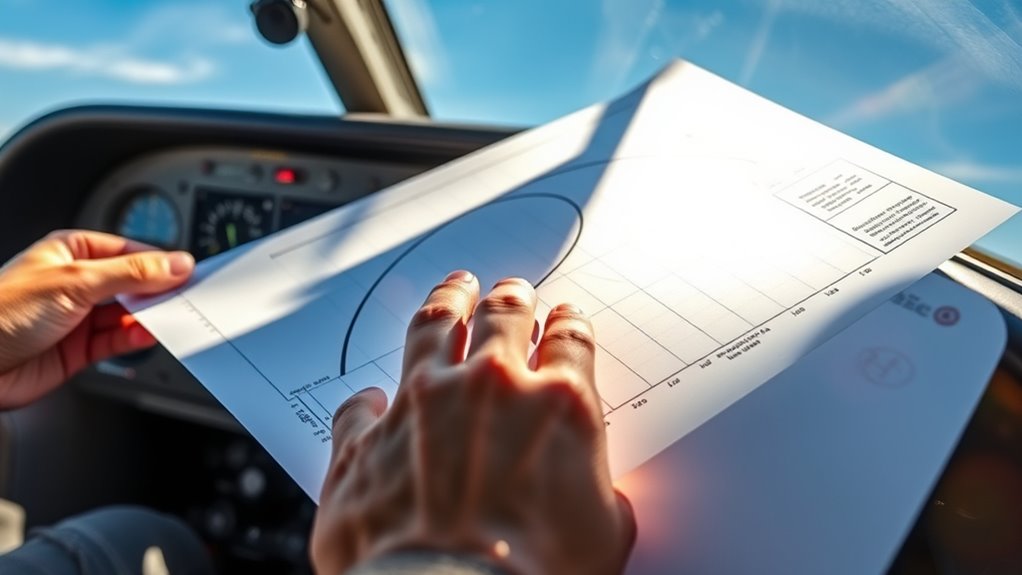
Understanding how to read a polar curve is essential for analyzing graphs that depict the relationship between the angle and the distance from the origin. When you look at a polar curve, you’re essentially examining how a glider’s performance varies with different speeds and angles of attack. Glide ratios, which measure the distance traveled forward compared to the altitude lost, are key to understanding these curves. They help you determine the most efficient speed ranges for your aircraft or glider, ensuring optimal performance during flight. Recognizing these relationships allows you to make informed decisions about when to accelerate or decelerate to maximize glide efficiency.
Reading a polar curve reveals optimal glide speeds and performance variations for safer, efficient flying.
As you examine a polar curve, focus on the shape and the specific points where the glide ratio reaches its peak. These points indicate the best speed range for maintaining the most efficient glide with minimal altitude loss. The curve’s outer edge often represents the maximum speed, while the innermost points reflect the slowest speeds at which the aircraft can still sustain controlled flight. The curve’s asymmetry can reveal how performance changes with speed, helping you understand where you might experience stall conditions or where drag increases significantly. By noting these variations, you gain insight into the aircraft’s behavior across different speed ranges, which is vital for safe and effective flying.
Understanding the glide ratio at various points on the polar curve also helps you anticipate how your aircraft will perform in different flight conditions. For example, during a glide, maintaining a speed within the optimal range ensures you maximize distance while conserving energy. When you’re climbing or descending, the curve can show you how speed adjustments impact your glide efficiency. This knowledge allows you to manage your aircraft’s energy more effectively, especially in critical situations where airspeed and altitude control are crucial. The key is to identify the speed range where the glide ratio is highest, which is often marked by the peak point on the curve.
In practice, reading a polar curve involves paying attention to the relationship between angle, speed, and glide ratio. You want to understand at what speeds your aircraft achieves the best glide performance and how deviations from this range affect your flight path. By mastering this, you’ll be better equipped to plan your flights, optimize your glide, and ensure safety. Remember, the curve’s shape and the associated glide ratios provide a visual summary of your aircraft’s performance capabilities, enabling you to make smarter, more precise flying decisions across all speed ranges.
Top picks for "read polar curve"
Open Amazon search results for this keyword.
As an affiliate, we earn on qualifying purchases.
Frequently Asked Questions
How Do Polar Curves Differ Between Gliders and Powered Aircraft?
You’ll notice polar curves differ between gliders and powered aircraft because glider aerodynamics emphasize lift-to-drag ratios at various speeds, resulting in a curve optimized for efficiency. Powered aircraft performance, however, reflects engine thrust and fuel consumption, leading to curves that favor different speeds for maximum endurance or range. These differences help you determine the best speed for your aircraft type, whether glider or powered, to optimize flight efficiency and performance.
What Are Common Mistakes When Interpreting a Polar Curve?
Imagine you’re steering a windy landscape; misreading a polar curve can lead you astray. Common mistakes include ignoring measurement errors, which skew your understanding of glide performance, and oversimplifying the curve by assuming constant efficiency. You might focus only on peak speed or best glide angle, missing how real-world conditions vary. Always double-check data accuracy and consider the full shape of the curve to make informed flying decisions.
How Can Polar Curves Improve My Flight Planning?
Polar curves help you improve your flight planning by highlighting your glider’s efficiency and power performance across different speeds. By analyzing these curves, you can choose ideal speeds for various conditions, maximizing glide distance and energy use. This allows you to make informed decisions, conserve altitude, and enhance safety during your flights, ultimately helping you fly more efficiently and confidently.
What Equipment Is Needed to Accurately Measure a Polar Curve?
To accurately measure a polar curve, you need reliable instruments like a GPS and airspeed indicator, which should be regularly calibrated to guarantee precision. Use proper data recording techniques, such as noting airspeed and glide ratio at various speeds, to gather consistent data. This careful calibration and systematic data collection help you create an accurate polar curve, ultimately improving your flight planning and performance understanding.
How Often Should a Pilot Update Their Polar Curve Data?
You should update your polar curve data regularly—think of it as “an ounce of prevention is worth a pound of cure.” Follow your aircraft’s maintenance schedule and calibration procedures closely, ideally updating after significant modifications or every season. Weather conditions and aging equipment can affect accuracy, so staying current guarantees maximum performance and safety, helping you fly confidently and efficiently.
Conclusion
Mastering a polar curve is like steering a vast, starry sky—you learn to read the patterns and find your way with confidence. Once you understand the speed-to-fly relationships, flying becomes smoother, almost like gliding on glass. Remember, each curve is a secret map guiding you to better performance. Keep practicing, and you’ll open the language of your wing, turning every flight into a graceful dance across the sky’s canvas.