Upgrading your older glider with modern avionics and advanced materials can greatly boost safety, performance, and reliability. Replacing analog gauges with digital displays gives you clearer, real-time data and reduces workload. Using composite repairs and modern materials lightens your aircraft while strengthening the structure, extending its lifespan. These upgrades not only improve flight clarity and safety but also make your glider more capable and enjoyable. Keep exploring to discover how these improvements can transform your flying experience.
Key Takeaways
- Modern digital flight instruments replace analog gauges, improving clarity, situational awareness, and reducing pilot workload.
- Advanced composite repairs restore damaged areas, enhancing durability, safety, and aerodynamic performance without extra weight.
- Upgrading to modern materials reduces aircraft weight, increasing climb performance, glide distance, and overall efficiency.
- Expert installation and system calibration are essential for seamless integration of new avionics and structural upgrades.
- Overall modernization boosts safety, flight performance, aircraft lifespan, and pilot confidence, making older gliders more capable and enjoyable.

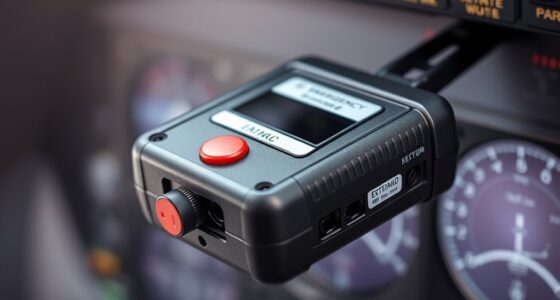
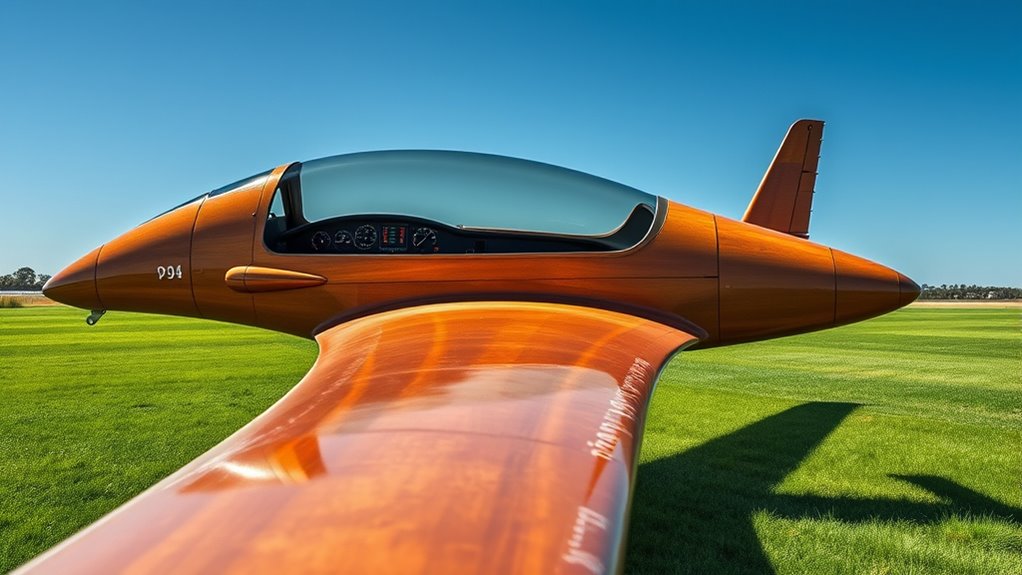
If you own an older glider, upgrading its components can substantially enhance performance and safety. Modern advancements in materials and avionics offer opportunities to breathe new life into your aircraft, making it more efficient, reliable, and easier to operate. One of the most impactful upgrades involves the integration of digital flight instruments. These modern displays replace traditional analog gauges, providing clearer, more detailed information at a glance. You’ll benefit from real-time data on altitude, speed, and attitude, which improves situational awareness and reduces pilot workload. Digital flight instruments also often include features like built-in flight planning, automated alerts, and data logging, helping you fly more confidently and accurately.
Upgrading to digital flight instruments enhances safety, clarity, and confidence in your older glider.
Alongside avionics, updating the aircraft’s structure with advanced composite repair techniques can dramatically extend its lifespan and performance. Older gliders often suffer from fatigue or minor damage that isn’t always obvious but can compromise safety. Advanced composite repair allows you to restore damaged areas seamlessly, strengthening the airframe without adding unnecessary weight. These repairs involve specialized materials and techniques that bond well with existing composites, ensuring durability and maintaining aerodynamic integrity. This not only improves safety but can also enhance the glider’s flight characteristics by reducing drag and weight. With proper repair, your glider can perform closer to its original design specifications, maximizing efficiency and glide ratio.
Upgrading materials isn’t limited to repairs. You can consider replacing older components with modern composites designed for lighter weight and higher strength. This reduces overall weight, enabling better climb rates and longer glide distances. When selecting new materials, ensure they are compatible with your aircraft’s design, and consult with specialists experienced in advanced composite repair. Proper installation is critical to ensure the structural integrity and safety of your glider.
Implementing these upgrades requires careful planning and expert assistance. While digital flight instruments are increasingly user-friendly, they may need calibration and integration with existing systems. Similarly, advanced composite repair techniques demand skilled workmanship to achieve seamless results. Investing in professional upgrades not only boosts the safety and performance of your glider but also adds value and longevity to your aircraft. Whether you’re aiming for better flight performance or increased safety margins, modernizing with digital avionics and advanced composite repair techniques will make your older glider more capable and enjoyable to fly.
Frequently Asked Questions
How Do I Ensure Compatibility of New Avionics With My Glider?
To guarantee compatibility of new avionics with your glider, start by checking electrical integration requirements to match power supplies and connections. Next, verify software compatibility to ensure the new system communicates effectively with existing components. Consult with manufacturers or specialists, review technical manuals, and test the setup thoroughly before installation. This approach helps prevent issues and guarantees your upgrade functions seamlessly with your glider’s existing systems.
What Are the Cost Considerations for Upgrading Older Gliders?
When upgrading your older glider, consider costs like new avionics, materials, and installation. These upgrades can increase insurance costs due to added complexity but often boost resale value, making your investment worthwhile. Budget for ongoing maintenance of modern components and potential compatibility issues. Weigh the initial expenses against long-term benefits, ensuring the upgrade aligns with your flying goals and financial situation for a smart, cost-effective improvement.
How Does Upgrading Affect My Glider’s Weight and Performance?
Ever wondered how upgrades impact your glider’s weight and performance? Adding modern avionics and advanced materials can increase weight slightly, but the performance benefits often outweigh this. You might experience improved aerodynamics, better handling, and enhanced safety features. Will the weight impact reduce your glide ratio? Not necessarily, as the performance gains from lighter, stronger materials and upgraded systems usually enhance your overall flying experience.
Are There Certifications Required for Modernised Glider Components?
When you modernise your glider, you’ll need certification standards and regulatory approval for the new components. These guarantee that your upgrades meet safety and performance requirements set by aviation authorities. You should check with the relevant certification bodies early in the process to confirm that your modifications comply. This way, you can fly confidently, knowing your modernised glider is safe and legally approved for operation.
How Long Does the Upgrade Process Typically Take?
The upgrade process typically takes several weeks to a few months, depending on your glider’s complexity and the extent of modernization. Timing considerations are vital in upgrade planning, so you should coordinate with specialists early to avoid delays. Factors like ordering new materials, installing modern avionics, and conducting thorough testing all impact the schedule. Proper planning ensures a smoother process and minimizes downtime, so start early and stay organized.
Conclusion
By upgrading older gliders, you blend the past with the future—preserving their timeless grace while embracing cutting-edge avionics and materials. It’s a delicate dance between tradition and innovation, where modern tech breathes new life into familiar wings. As you modernize, you keep the spirit of soaring alive, proving that progress doesn’t erase history but elevates it. In this balance, your glider becomes not just a craft of the skies, but a testament to evolution.