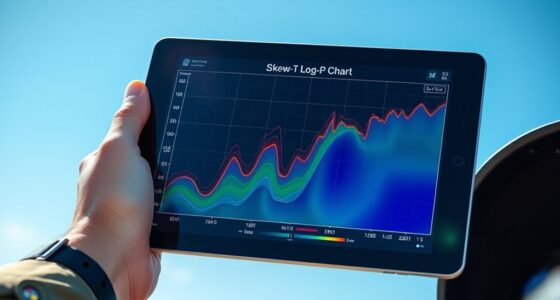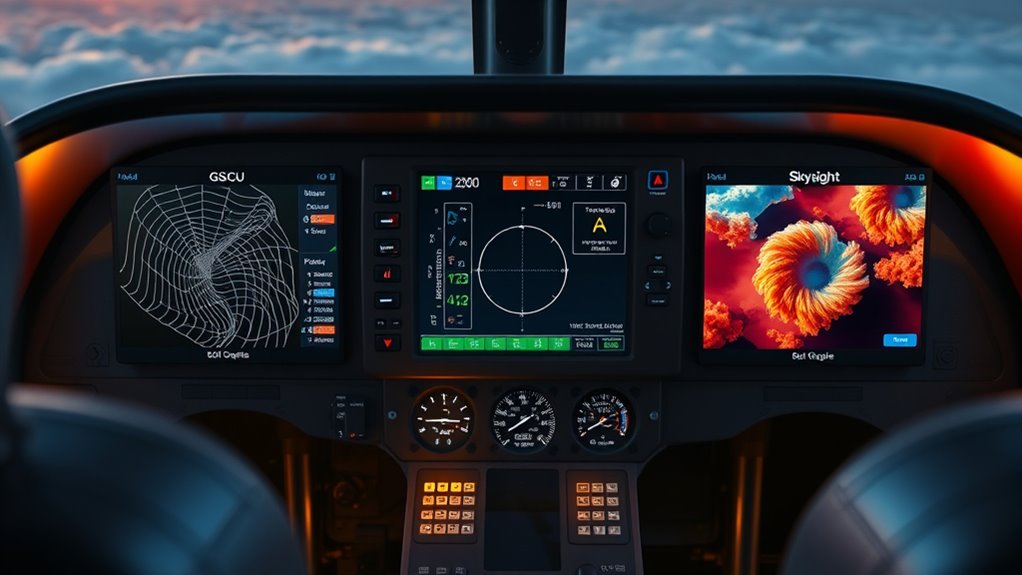

To optimize your glider flights, you can leverage tools like GSCU for detailed cloud cover and base heights, Skysight for high-resolution thermal forecasts, and AI models for real-time atmosphere insights. These tools help you plan routes, identify lift zones, and avoid dangerous conditions with increased accuracy. Using them together boosts your safety and efficiency in the air. Keep exploring to discover how these technologies can elevate your flying experience even further.

Get travel and outdoor gear delivered free with Prime
- Fast, free delivery on millions of items
- Prime Video, Amazon Music and more included
- Member-only deals all year
Key Takeaways
- GSCU provides detailed cloud cover and base height data essential for route safety and visibility planning.
- Skysight offers high-resolution thermal forecasts to optimize lift usage and flight efficiency.
- AI-powered weather models integrate real-time meteorological data for accurate thermal activity predictions.
- Combining cloud forecasts, thermal predictions, and AI updates enhances decision-making and flight safety.
- Understanding and utilizing these tools allows glider pilots to plan routes effectively and adapt to changing conditions.
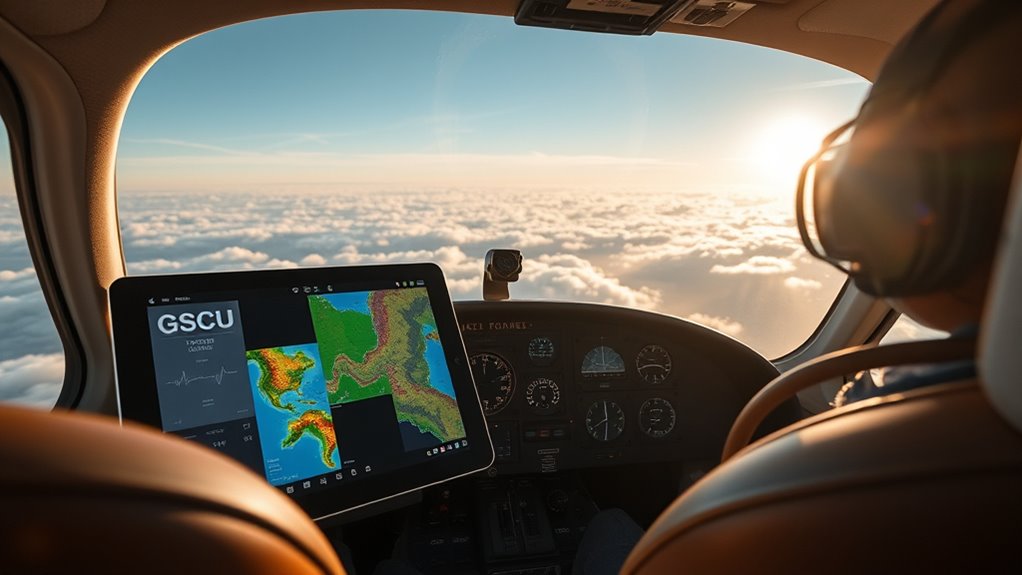
Weather plays a crucial role in glider flying, and having the right tools can make all the difference between a successful flight and a challenging one. As a glider pilot, you need accurate and reliable weather information to plan your routes effectively. Cloud forecasting and thermal prediction are two essential components of this information that can markedly influence your decision-making process. Cloud forecasting helps you understand where clouds will form, their type, and their height, which is essential for identifying potential lift sources. Thermal prediction, on the other hand, allows you to anticipate areas where rising warm air will create the lift you need to stay aloft longer and cover more distance.
Modern tools like GSCU, Skysight, and AI models have transformed how you access weather data. GSCU provides detailed cloud forecasts, showing you cloud cover, cloud base heights, and the likelihood of cloud formation throughout your flying area. This information helps you avoid overcast conditions that could limit your visibility or lead to dangerous flying situations. It also identifies where clouds might generate thermals, guiding you to the best spots to find lift. Skysight offers high-resolution thermal prediction models that analyze current atmospheric conditions to forecast thermal strength and location over time. You can use this data to plan your flight path, maximize lift, and avoid periods of weak or turbulent air.
GSCU and Skysight offer detailed cloud and thermal forecasts to optimize your glider flight planning.
AI-powered weather models take this a step further by integrating vast amounts of meteorological data and providing real-time updates. These models can predict thermal activity with impressive accuracy, helping you decide when and where to start your glide or extend your flight. They analyze factors like temperature gradients, humidity levels, and wind patterns to generate precise thermal forecasts. With these insights, you can adjust your altitude, speed, and route proactively, making your flight safer and more efficient. Understanding the accuracy of weather models is crucial for trusting these predictions and making informed decisions during your flight.
Using these tools effectively requires understanding their outputs and translating them into practical decisions. For example, if your cloud forecast indicates widespread overcast but your thermal prediction shows strong thermals nearby, you might choose to circle in those areas rather than head into a cloud-covered zone. Likewise, real-time updates from AI models can alert you to sudden changes, helping you adapt on the fly. Combining cloud forecasting with thermal prediction gives you a detailed picture of the atmospheric conditions, enabling you to optimize your flying strategy.
As an affiliate, we earn on qualifying purchases.
Frequently Asked Questions
How Accurate Are AI Weather Models Compared to Traditional Forecasts?
AI forecast accuracy has improved markedly, often surpassing traditional forecasts in specific conditions. You’ll find that AI models analyze vast data quickly, providing more precise short-term predictions. While traditional forecasts are reliable, AI offers faster updates and better trend detection. However, for long-term predictions, traditional methods still hold value. Overall, the comparison depends on the situation, but AI is increasingly a valuable tool for accurate, real-time weather insights.
Can GSCU and Skysight Be Used Offline?
GSCU and Skysight aren’t fully offline, but they do let you access some data offline, like stored forecasts. Think of it as a safety net for data synchronization—your device updates when connected, so you can still review important info when you’re out of range. While you can’t get live updates offline, you can plan your flight with the data you’ve previously downloaded, giving you peace of mind in the sky.
Do These Tools Provide Real-Time Weather Updates During Flights?
Yes, GSCU and Skysight do offer real-time updates during your flight, helping you monitor weather conditions accurately. They provide essential flight monitoring data, including live weather changes, so you can make informed decisions on the go. Keep in mind, for the most reliable information, make certain you’re connected to the internet, as offline access may limit real-time update capabilities. These tools are designed to keep you safe and informed throughout your flight.
Are There Mobile Versions of GSCU and Skysight for Pilots?
Yes, both GSCU and Skysight offer mobile versions, giving you great mobile compatibility. These apps include crucial features like real-time weather updates, wind forecasts, and thermals, all optimized for your smartphone or tablet. With user-friendly interfaces, you can access essential weather data easily during flights, helping you make informed decisions on the go. Their app features ensure you stay connected to critical weather info anytime, anywhere.
How Do I Interpret Data Differences Between GSCU, Skysight, and AI Models?
To interpret data differences between GSCU, Skysight, and AI models, focus on data consistency and model limitations. Recognize that each tool uses different data sources and algorithms, so discrepancies are normal. Trust GSCU for real-time updates, Skysight for detailed forecasts, and AI for predictive insights. Always compare outputs critically, understanding that models have inherent limitations, and use multiple sources to make informed flying decisions.
Conclusion
With these advanced weather tools like GSCU, SkySight, and AI models, you can confidently plan your flights and maximize your soaring chances. Some might worry they’re too complex or unreliable, but with practice, you’ll find they’re invaluable for safer, more successful gliding. Embrace these technologies, and you’ll uncover a new level of precision and safety in your flying. Don’t let hesitation hold you back—trust these tools to elevate your soaring experience.
Halloween Picks
halloween
As an affiliate, we earn on qualifying purchases.