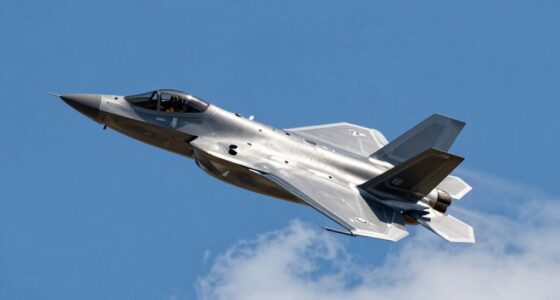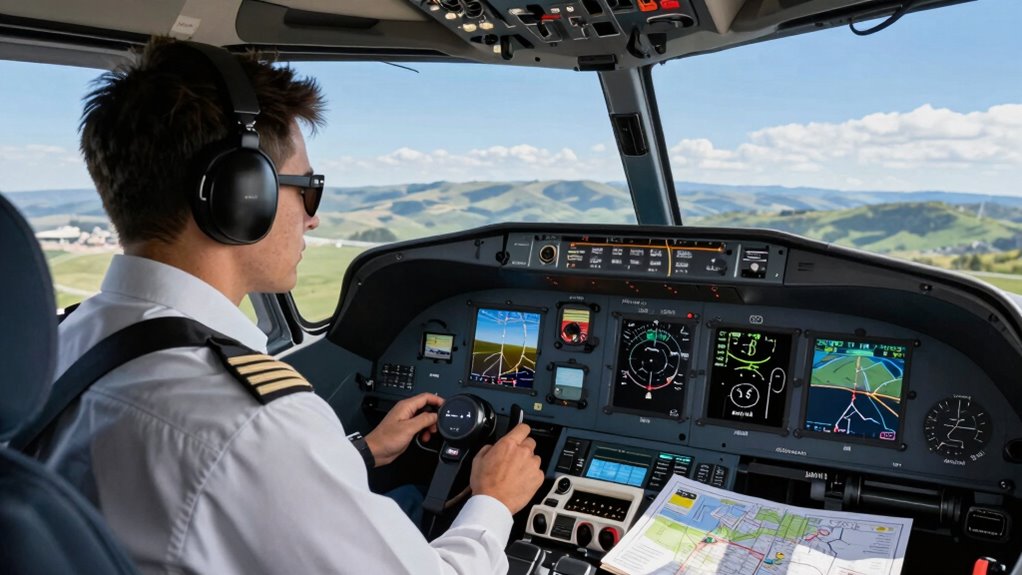

To build better turnpoint discipline, focus on thorough pre-flight planning by studying the location, visual cues, and adjusting for wind and altitude. During flight, cross-check your instruments and visual references, using a layered approach of navigation techniques. Practice turns repeatedly to develop muscle memory and maintain steady headings. Stay disciplined with smooth, precise movements, and reinforce good habits regularly. Keep refining your approach, and you’ll improve safety, accuracy, and confidence throughout your flights.

Get travel and outdoor gear delivered free — and shop member deals
- Fast, free delivery on millions of items
- Access to Prime Big Deal Days deals on October 6–7
- Prime Video, Amazon Music and more included
Key Takeaways
- Consistently review and familiarize yourself with turnpoint locations and visual cues during pre-flight planning.
- Use a layered navigation approach combining GPS, pilotage, and visual references for accuracy.
- Practice slow, controlled turns to develop smooth, predictable maneuvers during approach.
- Maintain steady heading and altitude throughout each turn to reinforce disciplined execution.
- Reinforce habits through repeated practice and mental mapping to build confidence and consistency.
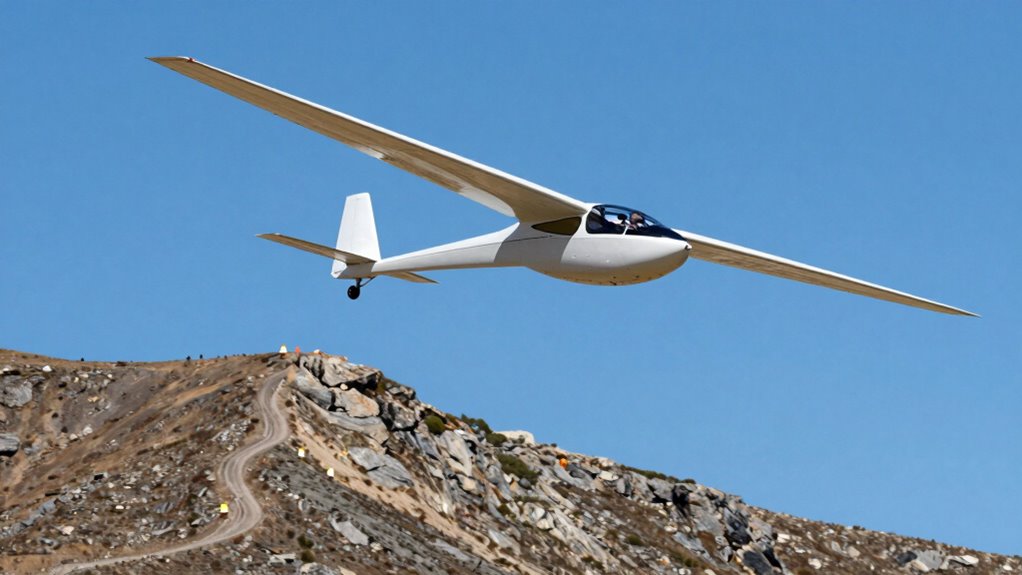
Mastering turnpoint discipline is essential for flying efficiently and confidently. It’s the foundation that ensures your navigation accuracy remains sharp and your flight planning is spot-on. When you approach a turnpoint, you want to be precise, not just close enough. This means you need to develop a systematic approach to identifying and reaching each turnpoint accurately. Good navigation accuracy isn’t just about instinct or luck—it’s about preparation and disciplined execution. Before each flight, you should thoroughly review your flight plan, familiarizing yourself with the exact locations of each turnpoint, their coordinates, and the visual cues that will help you identify them. This preparation minimizes hesitation and guesswork when you’re in the air, allowing you to focus on executing your turn precisely.
Thorough pre-flight planning ensures precise turnpoint identification and execution, minimizing hesitation and boosting navigation confidence.
During your flight planning, consider factors like wind conditions, altitude, and speed, which all influence how you approach each turnpoint. These details help you to anticipate your position more accurately and adapt your navigation techniques accordingly. The better your planning, the more confident you’ll feel when approaching each turnpoint, making it easier to maintain consistent navigation accuracy. When you’re in the cockpit, stay vigilant and constantly cross-check your instruments and visual references. Don’t rely solely on one method; use a combination of GPS, pilotage, and visual cues to confirm your position. This layered approach ensures you catch errors early and correct your course before drifting off track. Incorporating navigation techniques into your routine can further improve your precision and situational awareness. Developing a thorough understanding of navigation fundamentals will help reinforce your overall discipline and decision-making skills. Regular practice with these techniques can also help you adapt to varying conditions, improving your resilience and flexibility during flights. Additionally, understanding the importance of preparation can help you stay proactive in managing potential issues before takeoff.
Practicing your turnpoint approach repeatedly will also reinforce your discipline. Repetition helps engrain the habits of precise navigation and reinforces your mental map of the course. When approaching a turnpoint, slow down if necessary, and prepare to execute a smooth, predictable turn. Avoid rushing or making abrupt movements, which can compromise your position and overall navigation accuracy. Keep your focus on maintaining a steady heading and altitude, ensuring that your turn is accurate and well-timed.
Building consistent navigation accuracy requires deliberate effort, especially in varying conditions. Ultimately, building better turnpoint discipline depends on your commitment to meticulous flight planning, continuous situational awareness, and disciplined execution. The more you practice these habits, the more natural they will become, and your navigation accuracy will improve significantly. This disciplined approach not only enhances safety but also boosts your confidence, making each flight smoother and more enjoyable. With consistent effort, you’ll find yourself approaching each turnpoint with precision, turning what might seem like a challenge into a routine part of your flying proficiency.
As an affiliate, we earn on qualifying purchases.
Frequently Asked Questions
How Do Weather Conditions Affect Turnpoint Discipline?
Weather conditions directly influence your turnpoint discipline by impacting your navigation and timing. Unpredictable weather patterns, like sudden storms or fog, can cause you to deviate from your planned route or delay your decision-making. Wind influence also plays a big role, as strong or shifting winds can push you off course, requiring you to adjust your altitude or heading. Staying alert to weather updates helps you maintain discipline and stay on track.
What Tools Can Improve Turnpoint Accuracy?
You can improve turnpoint accuracy by using high-quality GPS devices with excellent GPS accuracy, ensuring your readings are precise. Regularly calibrate your instruments to maintain consistency and eliminate errors. Utilizing reliable GPS apps or software that provide real-time feedback can help you stay on course. Combining accurate GPS data with proper calibration makes it easier to hit your turnpoints precisely, boosting your overall navigation skills and confidence during flights.
How to Handle Unexpected Turnpoint Deviations?
Imagine your navigation strategy is a ship’s compass—when deviations happen, stay calm and adapt. You handle unexpected turnpoint deviations by relying on pilot preparedness and quick thinking. Reassess your position, double-check your instruments, and use alternative navigation tools if needed. Staying flexible and confident helps you correct course swiftly, turning surprises into opportunities to demonstrate your skill, ensuring you maintain accuracy and safety despite unforeseen challenges.
What Training Exercises Enhance Turnpoint Discipline?
To enhance turnpoint discipline, focus on navigation strategies like visual cues and precise timing, which reinforce your pilot mindset. Practice exercises such as timed navigation courses, where you simulate turnpoint arrivals under different conditions, and mental rehearsals to strengthen focus and decision-making. These activities help you develop consistent routines, improve situational awareness, and build confidence, ensuring you stay disciplined and accurate during actual flights.
How Does Team Communication Impact Turnpoint Discipline?
Your team’s communication impacts turnpoint discipline by fostering better team coordination and adherence to communication protocols. When you communicate clearly, listen actively, and share information promptly, everyone stays aligned and aware of their responsibilities. This reduces confusion, prevents mistakes, and guarantees smooth navigation through turnpoints. Effective communication creates trust, enhances focus, and keeps your team disciplined, ultimately leading to more successful and synchronized performances during your course.
Conclusion
By consistently practicing and refining your turnpoint discipline, you’ll become a more confident and precise pilot. Remember, every successful turnpoint is a step toward mastering your skills and enjoying the freedom of flight even more. So, why settle for average when you can elevate your flying to new heights? Keep pushing yourself, stay focused, and embrace the challenge—your future flights will thank you. Are you ready to take your turnpoint discipline to the next level?
Fall Picks
fall essentials
As an affiliate, we earn on qualifying purchases.