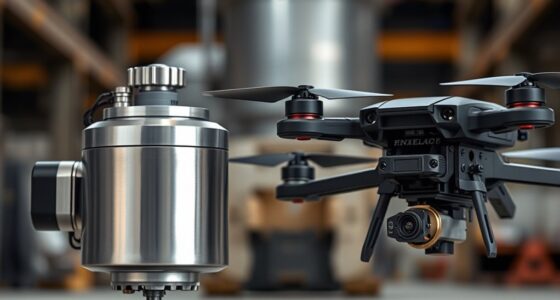

The future of electric propulsors looks promising as advances in battery tech boost energy density, allowing for lighter, longer-lasting systems. Aerodynamic improvements in ducted fans reduce drag and boost efficiency, making them quieter and more reliable. Combining these innovations leads to more sustainable, high-performance vehicles across aviation, marine, and urban transport. As technology continues to evolve, you’ll discover even greater potential for cleaner, more efficient propulsion solutions that could reshape mobility entirely.
Key Takeaways
- Advancements in battery technology enable longer, lighter, and more efficient electric ducted fan systems.
- Aerodynamic optimizations reduce drag and improve thrust, enhancing overall propulsor efficiency.
- Integration of batteries with aerodynamic design extends operational range and reduces energy consumption.
- Increased durability and faster charging support sustainable, reliable electric propulsion for various vehicles.
- Ongoing research and funding accelerate innovation, positioning electric ducted fans as key in future eco-friendly transportation.
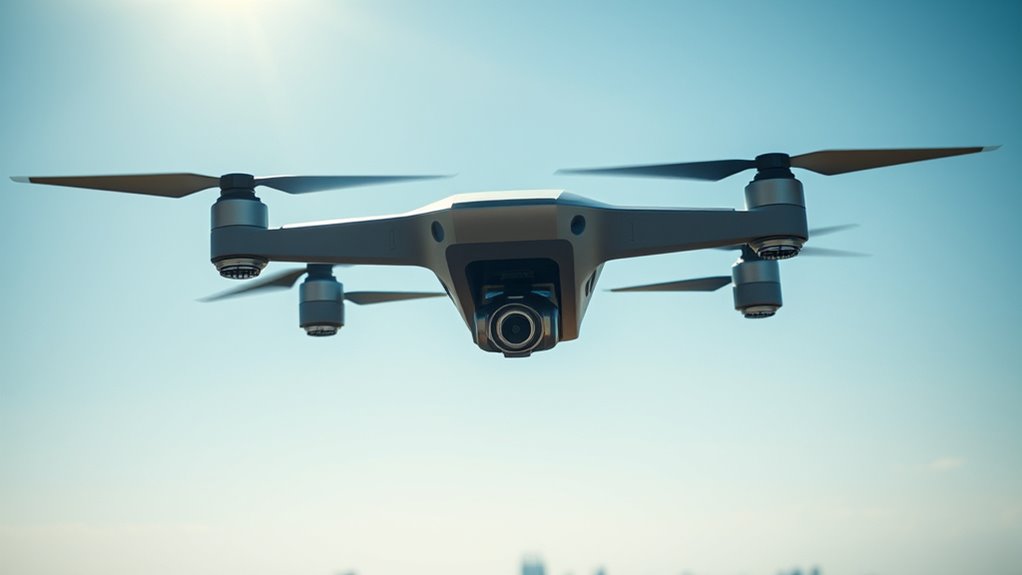
Electric propulsors are transforming the future of aerospace and marine propulsion by offering cleaner, more efficient alternatives to traditional engines. At the heart of this revolution are significant advancements in battery technology. Modern batteries now boast higher energy densities, allowing your electric systems to store more power in a smaller, lighter package. This means your aircraft or vessel can operate longer and with greater agility without being weighed down by bulky power sources. As battery technology continues to evolve, you’ll see increased range, faster charging times, and improved durability, making electric propulsors more practical for a wider range of applications.
Advancements in battery tech enable longer, lighter, more efficient electric propulsion for aerospace and marine vehicles.
Alongside battery advancements, aerodynamic optimization plays a pivotal role in maximizing efficiency. When designing ducted fans for electric propulsion, paying close attention to aerodynamics ensures minimal drag and maximum thrust. You can fine-tune blade shapes, fan duct geometries, and airflow pathways to reduce energy losses and improve overall performance. By streamlining these components, you’ll achieve higher propulsive efficiency, which translates into longer flight or voyage times and reduced energy consumption. This focus on aerodynamics isn’t just about raw power; it’s about making every watt count, so your propulsion system operates at peak performance with less energy input.
The synergy between improved batteries and aerodynamic design means electric propulsors are becoming increasingly capable of handling demanding environments. As you incorporate lightweight materials and optimize ducted fan geometries, you’ll notice better load handling and enhanced stability. This allows for quieter operation—an essential feature for both marine environments and urban air mobility—and contributes to a more sustainable future. Furthermore, these advancements open doors to innovative configurations, such as modular systems that can be easily scaled or adapted for different craft sizes and mission profiles.
In essence, the future of electric propulsors hinges on these technological strides. Battery breakthroughs make energy storage more efficient and reliable, while aerodynamic optimization ensures that this stored energy is converted into maximum thrust with minimal waste. As you stay informed and apply these cutting-edge developments, you’ll be at the forefront of a shift toward cleaner, more sustainable transportation technologies. Electric ducted fans will become the standard for efficient, quiet, and environmentally friendly propulsion, shaping the next generation of aerospace and marine vehicles. Further research into funding opportunities can accelerate adoption and innovation in this field.]
8-Band Receive & GMRS Transmit: Communicate on GMRS channels while receiving across VHF, UHF, NOAA, FM, airband, 220 MHz,... As an affiliate, we earn on qualifying purchases.
Radioddity GM-30 PRO GMRS Radio, Long Range Walkie Talkie with UHF/VHF/NOAA/FM/Airband Reception, Support APP Wireless Programming, 1.77" TFT Display, Frequency Copy, USB-C Charging, 1,000 Channels
Frequently Asked Questions
How Do Ducted Fans Compare to Open-Rotor Electric Propulsors?
Ducted fans generally offer better aerodynamic benefits and safety considerations compared to open-rotor electric propulsors. The duct helps improve efficiency by reducing noise and increasing thrust, making them safer by containing moving parts and preventing debris from flying out. While open-rotors can be more efficient in some conditions, ducted fans provide a balanced combination of performance and safety, making them a popular choice in modern electric propulsion systems.
What Materials Are Most Effective for Ducted Fan Durability?
You know what they say, “You get what you pay for.” For ducted fan durability, you should choose composite materials like carbon fiber or fiberglass, which offer high strength-to-weight ratios. These materials provide excellent corrosion resistance, vital for longevity in harsh environments. Using durable composites ensures your ducted fans stay reliable and efficient, making them a smart investment for long-term performance.
How Will Noise Reduction Impact Ducted Fan Adoption?
Noise reduction will markedly boost ducted fan adoption by improving noise mitigation and lowering noise perception. As you experience quieter operation, you’ll find these fans more acceptable, especially in urban environments. Enhanced noise control makes electric propulsion systems more appealing to communities and regulators, encouraging broader deployment. Ultimately, reducing noise perception helps you enjoy efficient, eco-friendly transportation without the disturbance traditionally associated with ducted fans.
Can Ducted Fans Operate Efficiently at Very High Altitudes?
Yes, ducted fans can operate efficiently at very high altitudes. At these elevations, high altitude aerodynamics improve airflow, reducing drag and boosting performance. However, thermal performance considerations become critical, as lower air density affects cooling and motor efficiency. Studies show that with advanced materials and design tweaks, ducted fans maintain high efficiency even in thin, cold air, making them promising for future high-altitude applications.
What Are the Maintenance Challenges for Electric Ducted Fans?
You’ll face maintenance challenges like blade erosion and bearing wear with electric ducted fans. Blade erosion occurs from dust, debris, and operational stress, reducing efficiency over time. Bearing wear results from continuous rotation and lubrication issues, potentially causing vibrations or failure. Regular inspections, blade replacements, and proper lubrication help manage these issues. Staying vigilant guarantees your ducted fans stay reliable and efficient, especially in demanding operational environments.

Radioddity GM-30 Plus GMRS Handheld Radio, GMRS Repeater Capable, Long Range NOAA/UHF/VHF/Airband Scanner & Receiver with 1000 Channels, GPS Tracking, 2500mAh Battery USB-C Charging, 1 Pack
Extensive Channel Capacity: Offers up to 1,000 channels across 10 zones, including 30 default GMRS channels and 970...
As an affiliate, we earn on qualifying purchases.
Conclusion
Think of electric propulsors as the guiding stars in your journey toward sustainable flight. Just like sailors rely on steady constellations to chart their course, advancements in ducted fans and efficiency light the way forward. As you embrace this new horizon, remember that each innovation is a beacon, steering us closer to a future where flying is cleaner and smarter. With these guiding lights, your voyage into electric propulsion will be both inspiring and unstoppable.

Uniden Bearcat SR30C, 500-Channel Compact Handheld Scanner, Close Call RF Capture, Turbo Search, PC programable, NASCAR, Racing, Aviation, Marine, Railroad, and Non-Digital Police/Fire/Public Safety
LISTEN IN AND STAY INFORMED! The Uniden Bearcat SR30C is a very affordable 500 channel hand-held scanner with...
As an affiliate, we earn on qualifying purchases.

BAOFENG UV-5G PRO GMRS Handheld Radio, 5W NOAA/UHF/VHF/Airband Scanner & Receiver, GMRS Repeater Capable, Long Range Rechargeable Two Way Radio, for Adults, Support Chirp Programming
Long Range Transmission: Experience long-distance transmission capabilities, reaching up to 15 miles. This extended range allows you to...
As an affiliate, we earn on qualifying purchases.