
When using parachutes and emergency gear like safety packs and PLBs, you must perform regular inspections to guarantee everything functions properly. Check your parachute for tangles, damage, and proper deployment, and verify your safety packs and batteries are in good condition. Familiarize yourself with activation procedures for PLBs, and always follow safety protocols. Staying prepared and diligent can make all the difference if an emergency arises—continue to discover more about keeping your gear ready and reliable.
Key Takeaways
- Regularly inspect safety packs and PLBs for damage, battery life, and proper storage to ensure readiness during emergencies.
- Familiarize yourself with activation procedures for emergency gear, including PLBs and safety packs, through practice and training.
- Ensure emergency packs contain essential supplies like first aid, tools, and signaling devices, and are easily accessible when needed.
- Follow routine maintenance protocols for all equipment, including checking for corrosion, secure connections, and functionality.
- Conduct visual inspections before each jump or flight to confirm all safety and emergency equipment is in optimal condition.
Have you ever wondered how pilots and skydivers guarantee their safety during emergencies? The answer lies in meticulous preparation, especially when it comes to using parachutes and emergency equipment. When an emergency strikes, your ability to deploy your parachute correctly can be the difference between safety and disaster. Parachute deployment might seem straightforward, but it requires calmness, quick thinking, and familiarity with the process. Regular emergency gear maintenance is essential so that all equipment functions flawlessly when needed. This includes checking your parachute’s lines for tangles or damage, ensuring the deployment mechanism isn’t jammed, and verifying that the harness fits snugly and comfortably. Proper maintenance prevents equipment failure, which could otherwise compromise your safety in critical moments. Before every jump or flight, you should conduct a thorough inspection—this routine becomes second nature with practice. Remember, a well-maintained parachute is your lifeline, and neglecting its upkeep can lead to dangerous malfunctions during deployment. Additionally, many safety protocols emphasize the importance of visual inspections to catch issues early before they become hazards.
When it’s time to deploy, the process involves pulling the ripcord or activation handle in a controlled, deliberate manner. This action releases the deployment bag, allowing the canopy to unfurl and catch the air, slowing your descent. You need to be prepared for different scenarios, such as deploying in turbulent conditions or when entangled with other gear. Staying calm and following the proper sequence ensures a smooth deployment. If you’re skydiving, the instructor’s guidance and your training will help you execute this confidently. In the case of an emergency in a plane, pilots rely on automatic activation devices or manual releases to ensure the parachute opens properly.
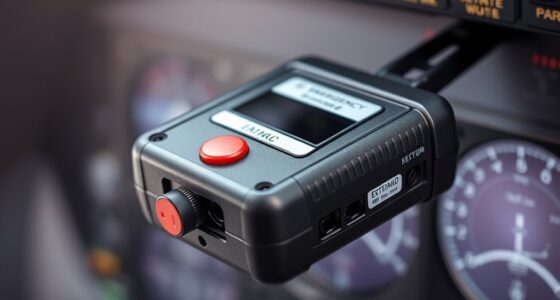
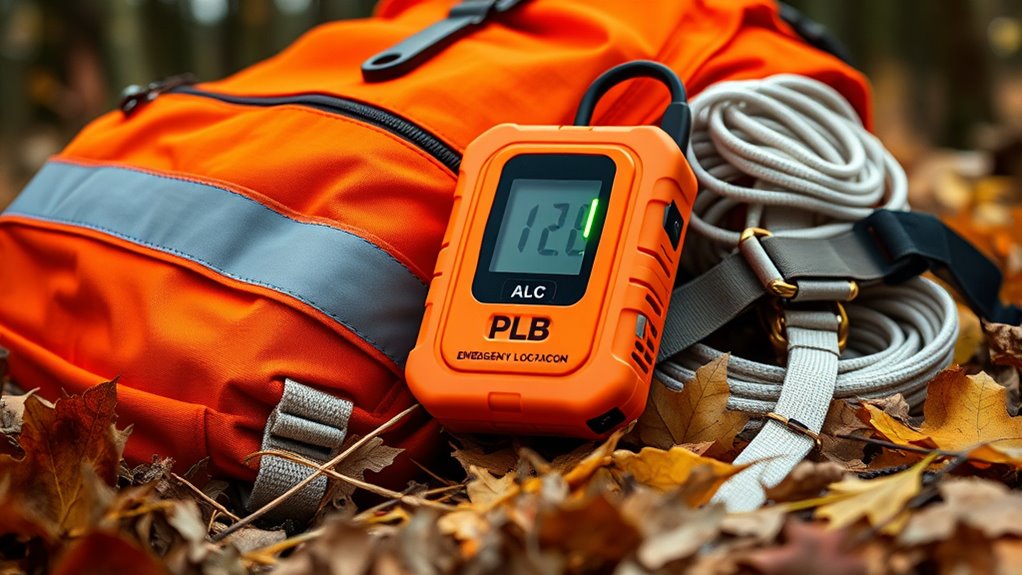
Emergency gear maintenance doesn’t stop at just the parachute; it extends to all safety equipment, like Personal Locator Beacons (PLBs) and life vests. These tools are your backup, designed to provide location signals or flotation in case of a crash or fall. Regularly checking their batteries, ensuring they’re securely stored, and practicing how to activate them can save valuable seconds during a real emergency. Many skydivers and pilots also carry emergency packs containing first aid supplies and tools, which must be kept in top condition.
In essence, your safety depends on consistent maintenance, proper training, and knowing exactly how to use your emergency gear. Whether you’re jumping from a plane or flying high in a helicopter, understanding and respecting these safety measures empower you to handle unexpected situations confidently. With diligent care and preparation, you’re better equipped to protect yourself and others when emergencies happen.

Estes 24 Nylon Parachutes Pro Series II Model Kit
Replacement 24 inch parachute
As an affiliate, we earn on qualifying purchases.
As an affiliate, we earn on qualifying purchases.
Frequently Asked Questions
How Often Should Emergency Equipment Be Inspected and Replaced?
You should inspect your emergency equipment regularly, following a strict maintenance schedule, typically every 6 to 12 months. Check for signs of wear, damage, or expiration. Replace items like safety packs and PLBs as recommended by the manufacturer, usually every 3 to 5 years, to guarantee equipment longevity. Regular inspections and timely replacements keep your safety gear reliable and ready for use in emergencies.
Can Non-Professionals Safely Deploy Parachutes in Emergencies?
Think of parachute deployment as your lifeline in a storm; with proper emergency training, you can safely activate it when needed. Non-professionals, armed with this training, can deploy parachutes in emergencies, but only if they’ve practiced extensively. It’s vital to understand the techniques and risks involved. Never attempt deployment without proper preparation—your safety depends on knowing exactly how to act swiftly and confidently.
What Are the Legal Requirements for Carrying Emergency Beacons?
You need to guarantee legal compliance by following beacon regulations in your area. Most countries require emergency beacons, like PLBs, to be registered with relevant authorities. You must carry the proper certification and use beacons only in genuine emergencies. Failing to meet these legal requirements can lead to fines or legal action. Always check local regulations before carrying or deploying an emergency beacon to stay compliant and prepared.
How Do PLBS Function in Areas With No Satellite Coverage?
If you’re in an area with no satellite coverage, PLBs won’t send emergency signals via satellite, but they can still activate local distress signals like 121.5 MHz beacons for nearby rescue teams, improving emergency signal accuracy. These beacons help rescuers locate you faster, even without satellite communication. Remember, in remote zones, always guarantee your PLB is registered and tested regularly for peak performance when needed.
Are There Specific Training Programs for Using Safety Packs Effectively?
You’re in luck; there are specialized safety pack training programs designed for effective use. Think of it as honing your skills before you need them—these programs cover parachute deployment and emergency procedures. Proper training guarantees you can handle safety packs confidently, especially in critical moments. Enroll in certified courses where experienced instructors guide you through realistic scenarios, so you’re prepared to act swiftly and save lives when it counts.

ACR ResQLink 400 – SOS Personal Locator Beacon with GPS and Global Coverage – Designed to Alert Search and Rescue Efforts for Any Outdoor Emergency – Ideal for Hiking, Hunting, Boating, Fishing
No Subscription Required Enjoy peace of mind with no ongoing fees, knowing you're always ready for rescue with…
As an affiliate, we earn on qualifying purchases.
As an affiliate, we earn on qualifying purchases.
Conclusion
Remember, safety gear is your lifeline amid the chaos of the skies. Parachutes and emergency equipment are like trusted guardians, wrapping you in a shield of hope when things go awry. When you harness these tools, you’re steering through stormy clouds toward calmer skies. Keep them close, stay prepared, and let your safety pack be the lighthouse guiding you back home, shining brightly through the darkest nights. Your vigilance turns peril into a manageable journey.

Survival Kit, 250Pcs Survival Gear First Aid Kit with Molle System Compatible Bag and Emergency Tent, Emergency Kit for Earthquake, Outdoor Adventure, Hiking, Hunting, Gifts for Men Women
[250 in 1 Survival Kit]: Having an emergency kit is an important step to prepare and protect your…
As an affiliate, we earn on qualifying purchases.
As an affiliate, we earn on qualifying purchases.

Birdz Eyewear Robin Shatterproof Skydiving Safety Goggles Blue ReflecTech Z87.1+ ANSI Lens
Designed to accommodate even larger faces comfortably, these low-profile goggles provide the perfect eye protection for everything from…
As an affiliate, we earn on qualifying purchases.
As an affiliate, we earn on qualifying purchases.