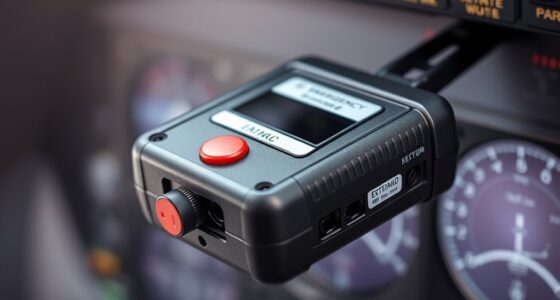

Pre-flight inspection tools like checklists and diagnostic software are essential for ensuring aircraft safety and performance. Using checklists guides you through every critical component, confirming nothing gets missed. Diagnostic software quickly analyzes systems for issues, helping you identify problems early and plan maintenance proactively. Combining these tools enhances your confidence and safety, making inspections more efficient. If you want to discover more about how these tools can optimize your pre-flight routines, keep exploring further.
Key Takeaways
- Checklists systematically verify aircraft components, ensuring no critical step is overlooked during pre-flight inspections.
- Diagnostic software rapidly analyzes aircraft systems for early detection of potential issues.
- Combining checklists with diagnostics enhances safety by confirming aircraft readiness and identifying anomalies.
- Maintenance records integrated with diagnostic tools support proactive decision-making and maintenance planning.
- Using these tools reinforces pilot training, builds confidence, and promotes a proactive safety culture.
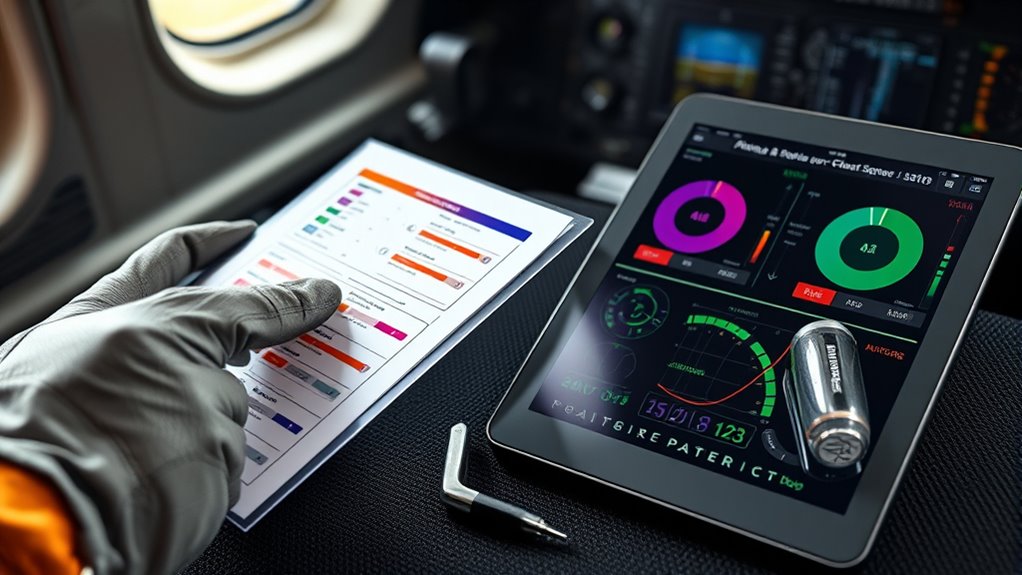
Before taking off, conducting a thorough pre-flight inspection is essential to guarantee safety and performance. This step ensures that your aircraft is in ideal condition and ready for flight. To accomplish this efficiently, using the right pre-flight inspection tools is necessary. Checklists serve as the backbone of your inspection process, guiding you through every key component. They help you systematically verify aircraft maintenance tasks, ensuring nothing is overlooked. With a detailed checklist, you can confirm that critical systems—fuel levels, oil condition, brakes, tires, lights, and avionics—are all functioning correctly. These tools not only streamline the inspection but also reinforce good pilot training habits, emphasizing attention to detail and procedural consistency.
In addition to manual checklists, diagnostic software has become increasingly important in modern pre-flight routines. These digital tools can quickly analyze aircraft systems, identify potential issues, and even predict maintenance needs before they become critical. When paired with thorough aircraft maintenance records, diagnostic software enhances your ability to detect anomalies early, reducing the risk of in-flight failures. As a pilot, integrating these advanced tools into your pre-flight routine elevates your safety standards and fosters a proactive approach to aircraft care. This proactive stance is essential because it minimizes unexpected problems during flight, ultimately protecting you and your passengers.
Using checklists and diagnostic software effectively also enhances your overall pilot training. Repeatedly following structured procedures helps internalize the inspection process, making it second nature. Over time, this builds your confidence and competence, ensuring you’re well-prepared to handle routine checks and unexpected issues alike. Proper training emphasizes the importance of these tools, teaching you how to interpret diagnostic results and cross-reference findings with aircraft maintenance logs. As a result, you develop a thorough understanding of the aircraft’s condition, which is indispensable for making informed decisions during flight preparation. Additionally, understanding the role of projector technology in related fields underscores the importance of precise tools and procedures for optimal results.
Frequently Asked Questions
How Often Should Pre-Flight Inspection Tools Be Calibrated?
You should calibrate your pre-flight inspection tools based on the manufacturer’s recommended calibration intervals, typically found in maintenance scheduling guidelines. Regular calibration guarantees accuracy and safety, so check these intervals frequently and perform calibration before critical inspections or if you notice any discrepancies. Keep detailed records of calibration dates to maintain compliance and ensure your tools provide reliable readings every time you perform a pre-flight inspection.
Are There Portable Diagnostic Tools Suitable for Small Aircraft?
A stitch in time saves nine, and that’s true for pre-flight checks. You’ll find portable diagnostic tools suitable for small aircraft, making inspections more efficient. Look for devices compatible with your aircraft model and designed for portability. These tools enable you to quickly identify issues on the spot, ensuring safety and compliance. Always verify aircraft compatibility before purchase to make sure your portable device integrates seamlessly with your aircraft’s systems.
Can Digital Checklists Replace Traditional Paper-Based Pre-Flight Inspections?
Digital checklists can effectively replace paper-based inspections, making the process more efficient and less prone to errors. You can update and access them easily on your device, ensuring real-time accuracy. While paper-based inspections are reliable, digital checklists save time and reduce clutter. If you embrace technology, you’ll find digital checklists streamline pre-flight routines, improve safety, and make record-keeping more manageable, all while maintaining thorough inspection standards.
What Safety Protocols Are Recommended When Using Diagnostic Software?
You should always prioritize software security and user training when using diagnostic software, as studies show that 85% of cybersecurity incidents involve user error. Always keep your software updated, use strong passwords, and enable multi-factor authentication. Additionally, guarantee proper user training so you understand how to operate the software correctly, recognize potential issues, and prevent security breaches, safeguarding both your aircraft and data integrity during pre-flight inspections.
How Do Weather Conditions Affect Pre-Flight Inspection Tool Accuracy?
Weather variability can substantially impact your pre-flight inspection tool accuracy, as extreme temperatures, humidity, or precipitation may cause tools to malfunction or give unreliable readings. You should always verify your diagnostic software’s reliability under current weather conditions and avoid relying solely on digital tools in harsh weather. Instead, combine manual checks with electronic diagnostics to ensure thorough and accurate assessments before flight.
Conclusion
Pre-flight inspection tools like checklists and diagnostic software are essential for ensuring safety and efficiency. They help you catch issues early and prevent costly errors. Did you know that proper pre-flight checks can reduce aviation accidents by up to 70%? By using these tools consistently, you’re not just following procedures—you’re actively safeguarding lives and your aircraft. Embrace these technologies, stay diligent, and fly with confidence every time you take off.